Shopping Cart
There are no more items in your cart

Mazatapec 10 ml.
€14.50
Tax included
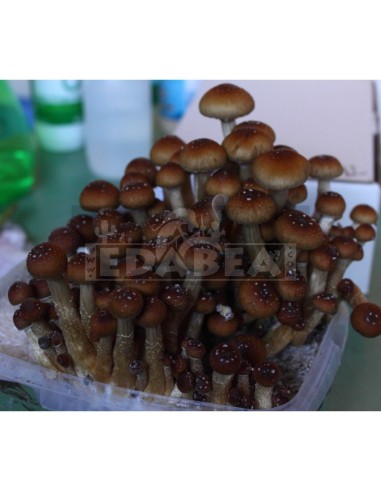
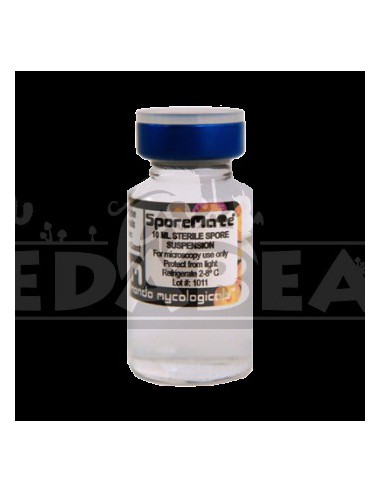
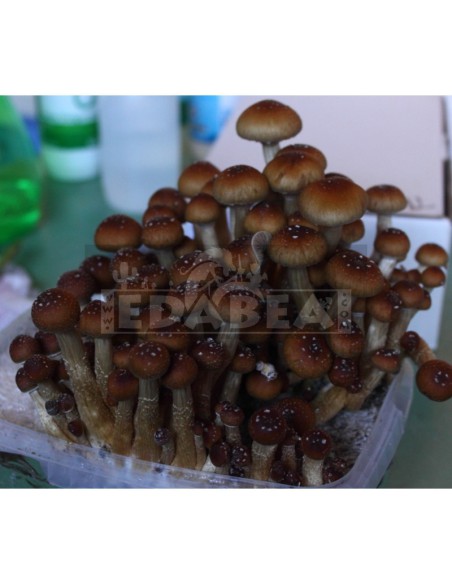
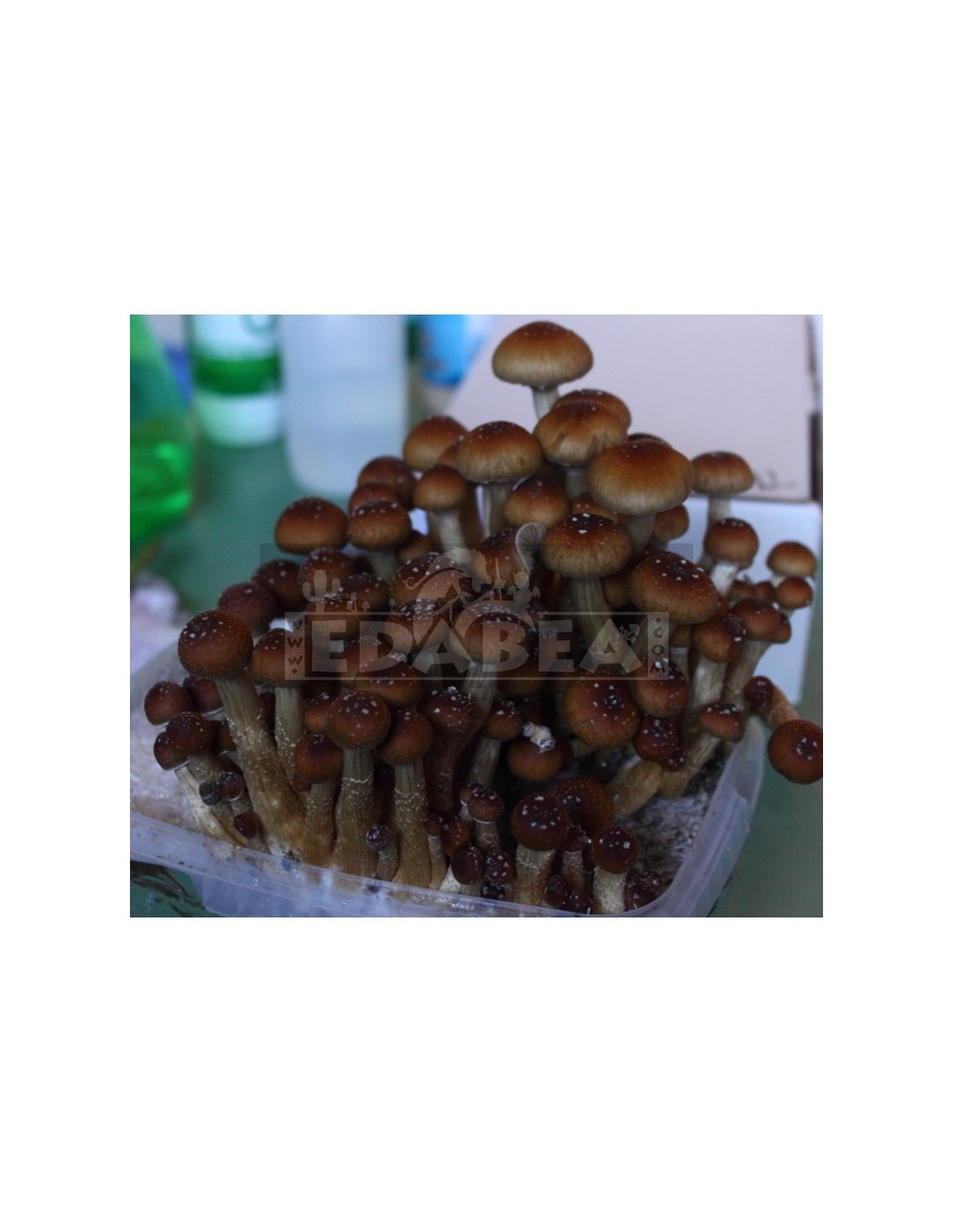
Mazatapec Spore Vial 10 ml. â Psilocybe cubensis var. Mazatapec. Spores in sterile aqueous solution, 10 ml vial with sterile syringe. A strain of Mexican origin named directly after the Mazatec people of Oaxaca â a community renowned for the ceremonial use of psilocybin mushrooms, documented by R. Gordon Wasson in 1955, marking the first scientific Western record of these practices. Characteristic morphology: wide caps over 50 mm in diameter, dark brown coloration, and gills that progressively darken with maturity. Material for collection and mycological research.
Mazatapec Spore Vial
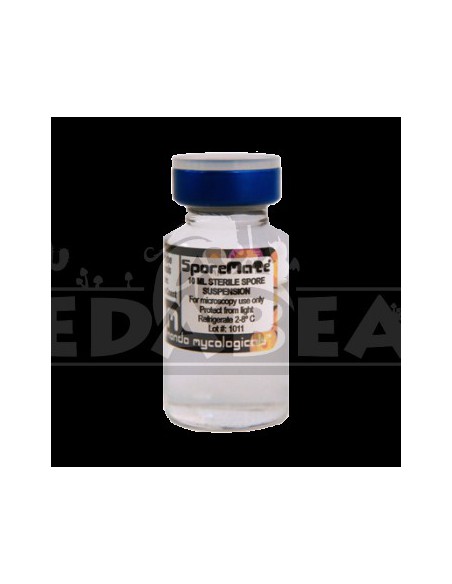
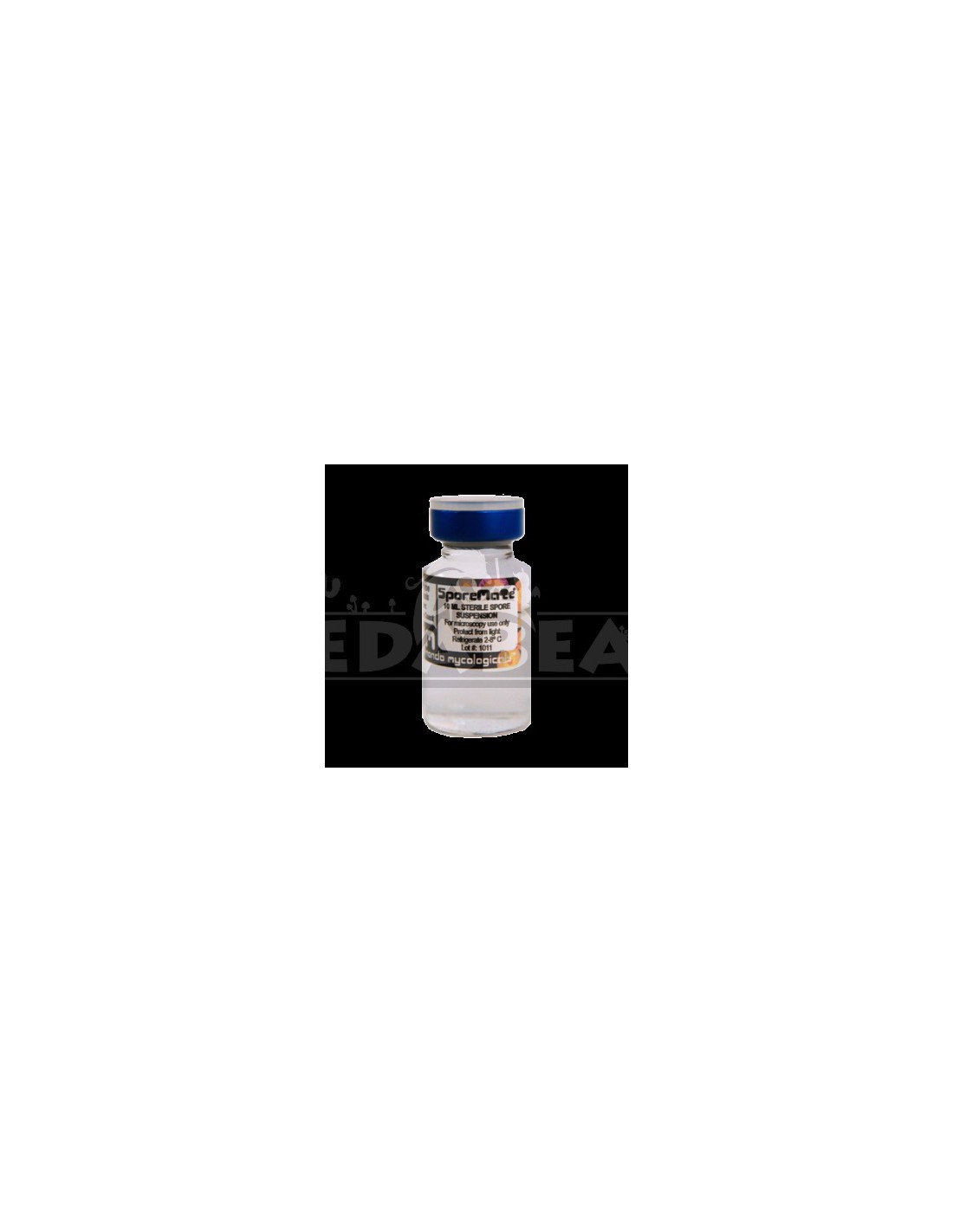
The Mazatapec spore vial contains a sterile aqueous suspension of Psilocybe cubensis var. Mazatapec in a 10 ml vial with an included sterile syringe. The variety is named after the Mazatec people of the Sierra Norte in Oaxaca, Mexico â one of the indigenous communities with significant relevance in modern ethnomycology history. Its connection to the scientific documentation of the ceremonial use of Psilocybe spp. in Mesoamerica makes it an exceptionally rich historical variety within our catalog.
Etnomycological Context â the Mazatecs and R. Gordon Wasson
The Sierra Mazateca in Oaxaca (Mexico) is where R. Gordon Wasson and his wife Valentina Pavlovna Guercken participated in June 1955 in a night healing ceremony (velada) led by the Mazatec healer María Sabina. Wasson was the first Westerner to scientifically document the ritual use of psilocybin mushrooms by an indigenous community, and his article published in Life magazine in May 1957 â "Seeking the Magic Mushroom" â introduced this tradition to the international public for the first time.
María Sabina, a chota chine (mushroom wise woman) from the Mazatec community of Huautla de Jiménez, became a central figure in modern ethnomycology following this encounter. The mushrooms used in Mazatec ceremonies primarily belong to Psilocybe caerulescens and Psilocybe mexicana, although Psilocybe cubensis is also present in the region. The name Mazatapec condenses this cultural heritage directly into the name of the variety.
Geographical Origin
The strain comes from Mexico, in the surroundings of the Mazatec region of Oaxaca. The Sierra Mazateca is a mountain system of high humidity and dense vegetation, with tropical mountain forest climatic conditions that favor the presence of several species of the genus Psilocybe. Mexico is, along with Southeast Asia and South America, one of the three major regions of documented diversity for the genus.
Documented Morphological Characteristics
- Wide cap â diameter greater than 50 mm in adult specimens, significantly wider than the average of other P. cubensis varieties. Convex shape and characteristic dark brown coloration.
- Progressively darkening gills â gills present a coloration that varies from light gray in young specimens to intense black at maturity, as the spores deposit. This is one of the clearest visual indicators of maturity for this variety.
- Variable stem color â the stem displays a coloration that ranges from pale yellow to brown, with greater variability than other catalog varieties.
- Homogeneous fruiting â regular production with little morphological variability among specimens of the same flush.
- Slower colonization than other P. cubensis varieties, with robust and dense mycelium.
Vial Characteristics
The vial contains spores of Psilocybe cubensis var. Mazatapec in sterile aqueous suspension (10 ml) with the sterile syringe included. Standard format for microscopy â ellipsoid spores with thick walls and the characteristic purple-brown coloration of the species, visible from 400x magnification.
To view the complete catalog of available varieties, please visit the Edabea spore section.
Storage
Store in the refrigerator between 2 °C and 8 °C, protected from direct light. Do not freeze. Under proper conditions, the spores maintain viability for months. Avoid drastic temperature changes between uses.
Legal Situation
The legal status of Psilocybe cubensis spores varies by jurisdiction. In many countries, spores â which do not contain psilocybin or psilocin â are not subject to the same regulations as mycelium or fruiting bodies. It is the buyer's responsibility to verify the applicable regulations in their place of residence before placing an order. This product is sold exclusively as material for mycological collection and research.
Frequently Asked Questions
What is the relationship between the Mazatapec variety and the Mazatecs?
The name Mazatapec directly refers to the Mazatec people of the Sierra Norte in Oaxaca, Mexico, whose tradition of ceremonial use of psilocybin mushrooms is one of the best-documented in Mesoamerica. R. Gordon Wasson was the first Western researcher to document these practices in 1955, alongside the Mazatec healer María Sabina in Huautla de Jiménez. The variety is named in recognition of its geographical and cultural origin.
Who was María Sabina?
María Sabina Magdalena García (1894-1985) was a healer and chota chine (mushroom wise woman) from the Mazatec community of Huautla de Jiménez, Oaxaca. She conducted night healing ceremonies (veladas) in which psilocybin mushrooms played a central role within the Mazatec indigenous knowledge system. Her meeting with Wasson in 1955 marked the first scientific documentation of these practices, and her figure is central in the history of modern ethnomycology. Nobel Prize in Literature winner Octavio Paz, poet Allen Ginsberg, and composer Leonard Cohen were among those who visited her in later decades.
Why is the cap of the Mazatapec larger than other varieties?
The development of the cap in Psilocybe cubensis varies considerably among varieties due to genetic factors specific to each strain. The Mazatapec variety is documented to have a cap diameter greater than 50 mm â significantly larger than varieties like Red Boy or Costa Rica â making it one of the largest foliar developments in our catalog, along with Orissa India and Ecuador.
Do the spores contain psilocybin?
No. The spores of Psilocybe cubensis do not contain psilocybin or psilocin. These compounds are synthesized during the development of the mycelium and fruiting bodies, not in the dormant spores. This distinction is relevant in many jurisdictions where regulations affect active mycelium and fruiting bodies but not spores.
Information compiled by the specialized team at Edabea Natura. Information based on reference mycological literature. Last updated: May 2026.
4 Items
Tap to zoom