Others
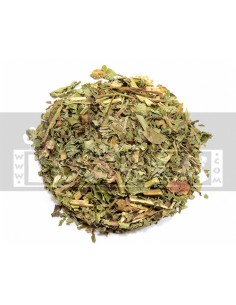
Melissa Officinalis 100 g
Botanical Plants and Products | Supplementary Collection at Edabea
This category includes a selection of plants, extracts, and botanical products that complement Edabea's main catalog without fitting into the specific subcategories of kratom, ayahuasca, salvia, or exotic seeds. It includes well-established species in European and Asian traditional herbalism, as well as products of general ethnobotanical interest. All references are sold as botanical collection material.
Available Products
- Melatonin — 1 g
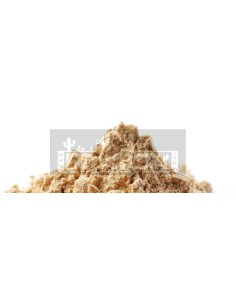
- Ashwagandha (Withania somnifera) — 50 g
- Yerba Mate (Ilex paraguariensis) — 100 g
- Cacao (Theobroma cacao) — beans
- Eucalyptus (Eucalyptus globulus) — 100 g
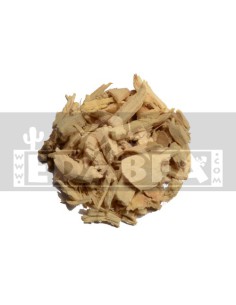
- Tongkat Ali (Eurycoma longifolia) — 50 g
- Lavender (Lavandula angustifolia) — 100 g
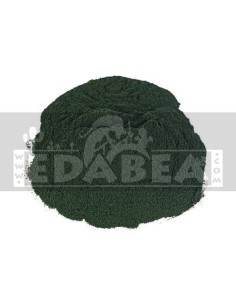
- Spirulina (Arthrospira platensis) — 100 g
- Chamomile (Matricaria chamomilla) — 100 g
- Lemon Balm (Melissa officinalis) — 100 g
What This Category Includes
The catalog includes species from very different origins and traditions — from Mediterranean aromatic plants with centuries of presence in European herbalism like lavender, chamomile, and lemon balm, to species from Ayurvedic pharmacopoeia like ashwagandha, and traditional stimulants from South America like yerba mate or adaptogens from Southeast Asia like tongkat ali. Melatonin and spirulina round out the selection as products of both botanical and nutritional interest.
What they have in common is their documented history in various herbal traditions and their presence in specialized ethnobotanical literature.
Featured Species
Ashwagandha (Withania somnifera)
A plant of the Solanaceae family originating from India, Pakistan, and North Africa. It is a cornerstone of Ayurvedic medicine, where it is documented in the Charaka Samhita — one of the foundational texts of Ayurveda — with more than 3,000 years of recorded use. Also available in seed format in the exotic seeds section.
Yerba Mate (Ilex paraguariensis)
A shrub of the Aquifoliaceae family originating from the Paraná and Uruguay basins. Its leaves contain caffeine, theobromine, and theophylline — the same methylxanthine profile found in coffee and cacao. Mate has a documented history of use among the Guaraní peoples of South America predating European colonization, and is the national drink of Argentina, Uruguay, and Paraguay.
Theobroma cacao
Cacao originates from the lowland tropics of Central and South America, with documented use in Olmec, Maya, and Aztec cultures dating back over 3,000 years. Its scientific name — Theobroma, "food of the gods" in Greek — was assigned by Carl von Linné in 1753. Cacao beans contain theobromine, caffeine, and phenylethylamine among other compounds.
Tongkat Ali (Eurycoma longifolia)
A tree of the Simaroubaceae family originating in Southeast Asia — Malaysia, Indonesia, Thailand, and the Philippines. Its root is documented in traditional Malay medicine and has been the subject of growing interest in modern phytochemical research due to its profile of quassinoids and alkaloids. Known locally as pasak bumi in Indonesia.
Spirulina (Arthrospira platensis)
A filamentous cyanobacterium — technically not a plant but a photosynthetic bacterium — with one of the highest protein concentrations by weight in the natural kingdom. It was consumed by the Aztecs under the name tecuitlatl and rediscovered in Lake Texcoco by European researchers in the 1960s. The FAO and NASA have studied its potential as a compact source of nutrition.
Legal Aspects
All products in this category are completely legal in Spain and the European Union, without any regulatory restrictions. They are marketed exclusively as botanical collection material.
Frequently Asked Questions
Why are these products in an "Others" category and not in specific subcategories?
The Edabea catalog is primarily organized around its main lines — kratom, ayahuasca, salvia, exotic seeds, and mushrooms. The references in this category are botanical products of interest that do not fit into any of those main lines but complement the general offer of the store.
What do seemingly distinct products like melatonin, spirulina, and tongkat ali have in common?
Their documented history in various herbal traditions or their interest from a botanical and ethnobotanical perspective. It is a deliberately heterogeneous category that brings together references from different geographical origins and traditions.
Are all products in this category of plant origin?
Not exactly. Melatonin is a synthetic compound although it is also produced endogenously in mammals. Spirulina is technically a cyanobacterium, not a plant. The rest of the references are plants or plant extracts.
Feedbacks