Shopping Cart
There are no more items in your cart

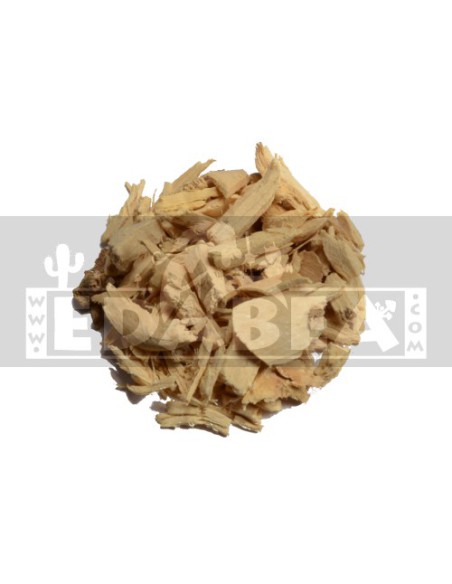
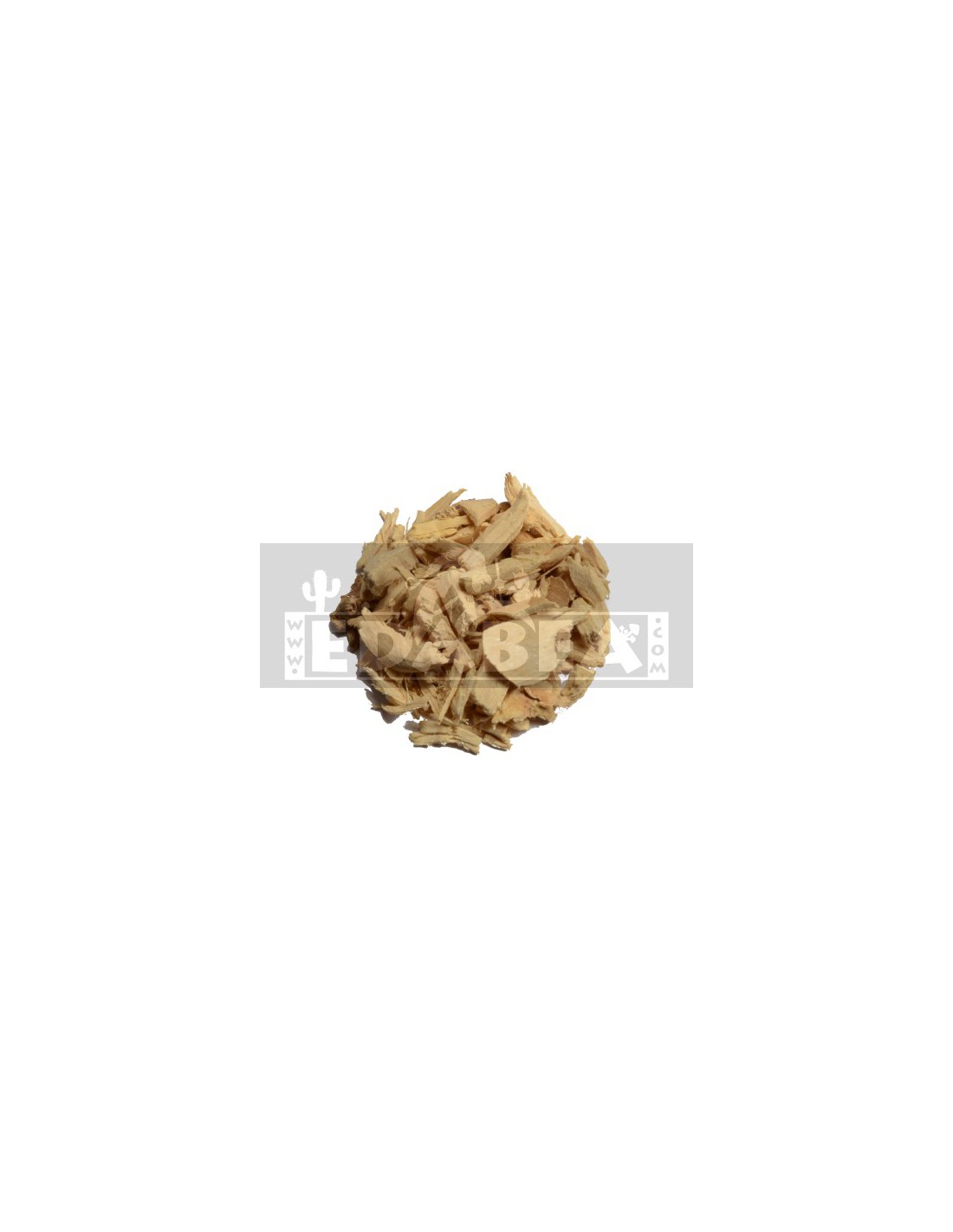
Tongkat Ali (Eurycoma Longifolia) 50 g
Last items in stock
€15.95
Tax included
Tongkat Ali (Eurycoma longifolia) — dried root, 50 g. Tree from the family Simaroubaceae native to the rainforests of Southeast Asia, known as pasak bumi in Indonesia. Documented presence in the traditional herbal medicine of Malaysia, Indonesia, Thailand, and Vietnam. Its roots contain cuassinoids exclusive to the genus. Botanical collection material.
Ratings and comments from our customers
Tongkat Ali — Product Information
Tongkat Ali (Eurycoma longifolia) is a tree from the Simaroubaceae family that grows naturally in the rainforests of Malaysia, Indonesia, Thailand, Vietnam, and the Philippines. Its Malay name — Tongkat Ali — translates roughly to "Ali's stick," referring to the long, straight shape of the root and a legendary local figure. In Indonesia, it is known as pasak bumi ("anchor of the earth"), a name alluding to its deep and resilient root system. It is available as dried root in 50 g.
Botanical Description
Eurycoma longifolia is a slow-growing tree that can reach heights of 10 to 15 meters in its natural habitat. It features pinnate leaves composed of up to 40 leaflets, small reddish-brown flowers, and drupaceous fruits that ripen to red. The root — the part of greatest ethnobotanical interest — is long, cylindrical, and intensely yellow on the inside, with a characteristically bitter taste that has earned it the nickname "bitter tree" in some regions.
It is an understory species that preferentially grows in acidic, well-drained soils of humid tropical forests. Its slow growth and increasing demand for its root have raised concerns about the sustainability of wild populations, prompting controlled cultivation programs in Malaysia and Indonesia.
Ethnobotanical History and Context
The root of Eurycoma longifolia has documented use in traditional medicine in Southeast Asia for several centuries. In Malaysia, it is included in the pharmacopoeia of Malay traditional medicine — Perubatan Melayu — and is one of the most common ingredients in herbal preparations in the region. Its use is documented among the orang asli peoples — the indigenous peoples of the Malay peninsula — who used it in both internal and external preparations.
In Malay popular culture, Tongkat Ali is so integrated that it is commonly added to commercial beverages like coffee — kopi Tongkat Ali is widely available in Malaysian cafes and supermarkets — and local energy drinks. The Malaysian government has registered the name "Malaysian Tongkat Ali" as a geographical indication to protect the product's origin.
Phytochemical Profile
The root of Eurycoma longifolia primarily contains cuassinoids — a class of bitter triterpenes exclusive to the family Simaroubaceae — among which euricomanone, euricomanol, and euricolactones are notable. These compounds are responsible for the characteristic bitter taste of the root and are the most studied in modern phytochemistry regarding this species. It also contains alkaloids of the canthin-6-one and β-carboline groups, as well as high molecular weight polysaccharides documented in recent studies.
Storage
Store in a cool, dry place away from direct light, in an airtight container. Once opened, seal well after each use.
Legal Aspects
Eurycoma longifolia is completely legal without any regulatory restrictions. The legal status may vary by jurisdiction. This product is marketed exclusively as botanical collection material.
Frequently Asked Questions
What are cuassinoids?
Cuassinoids are a class of bitter triterpenes exclusive to the family Simaroubaceae, to which Eurycoma longifolia belongs. They are the most characteristic and bitter compounds in the root, responsible for its intense taste, and the most studied in modern phytochemistry of this species. Euricomanone is the most documented cuassinoid of the Eurycoma genus.
Why is it called "Malaysian ginseng"?
This is a Western commercial designation that refers to its popularity in Malay traditional herbal medicine, similar to the role of Asian ginseng in Chinese medicine. Botanically, it has no relation to ginseng (Panax ginseng), which belongs to the Araliaceae family, while Tongkat Ali belongs to Simaroubaceae. It is similar to ashwagandha — referred to as "Indian ginseng" — with no actual taxonomic relation to ginseng.
Why has the Malaysian government registered a geographical indication for Tongkat Ali?
Malaysia registered the name "Malaysian Tongkat Ali" as a geographical indication to protect the origin and quality of the product against imitations from other origins. It is an official recognition of the economic and cultural value of the plant for the country, similar to protected designation of origin (PDO) products in Europe like Parmigiano Reggiano or Champagne.
What other plants in the Simaroubaceae family are known?
The Simaroubaceae family includes other species of ethnobotanical interest such as Quassia amara — the origin of the term "cuassinoid" — native to South America and used in traditional Amazonian herbalism, and Ailanthus altissima (tree of heaven), native to China and considered an invasive species in Europe and North America.
3 Items
Tap to zoom