Shopping Cart
There are no more items in your cart


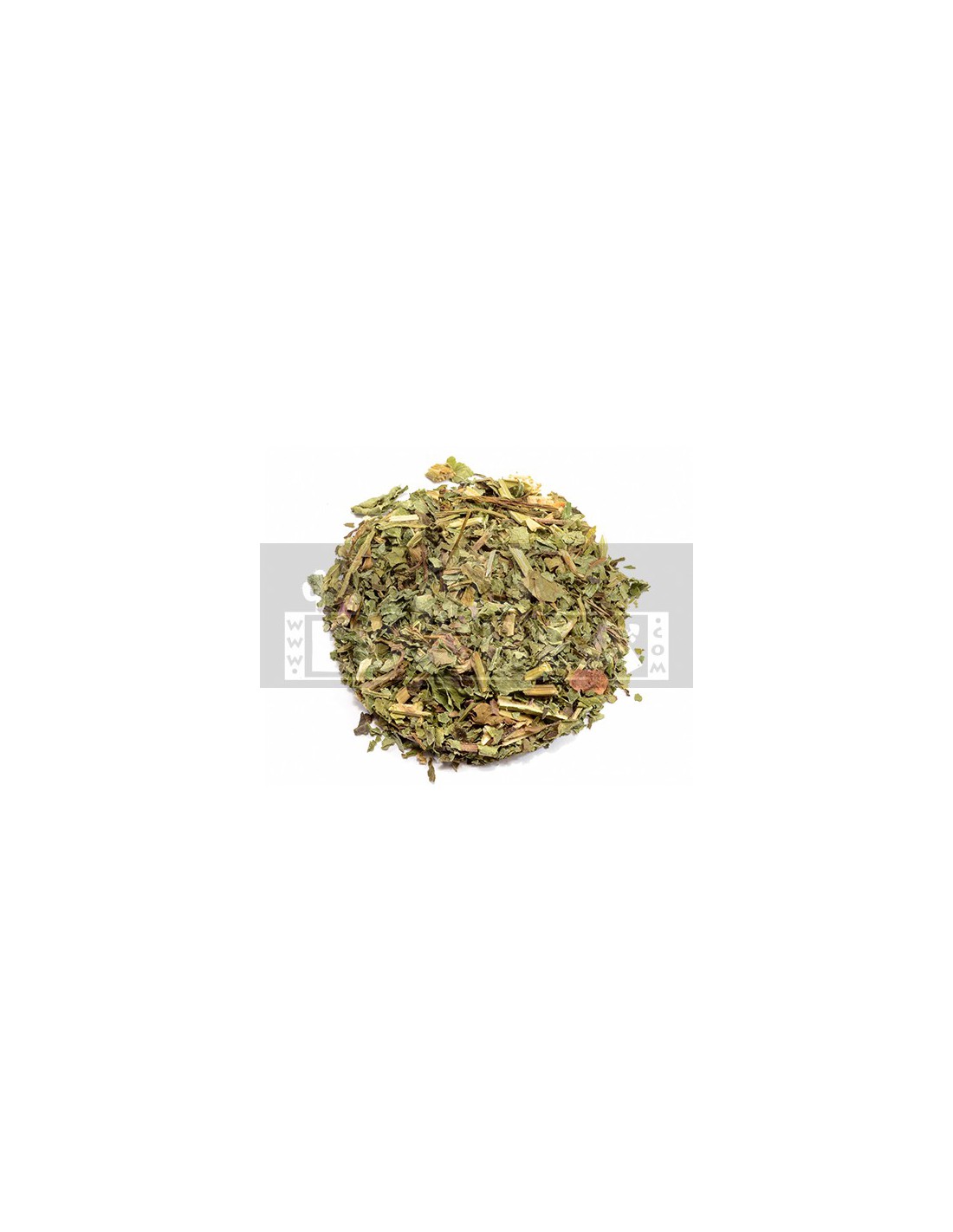
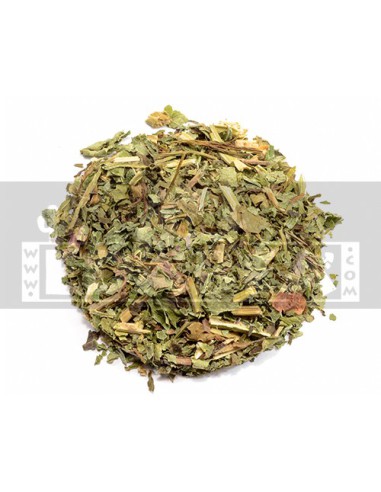
Melissa Officinalis 100 g
Out-of-Stock
€6.25
Tax included
Lemon Balm (Melissa officinalis) — dried leaves, 100 g. A perennial herbaceous plant from the Lamiaceae family, native to the eastern Mediterranean basin, with documented presence in Arab herbalism, medieval Europe, and the treatises of Paracelsus. Its leaves contain essential oil rich in citral, citronellal, and linalool, responsible for its characteristic lemon aroma. Botanical collection material.
Ratings and comments from our customers
Lemon Balm — Product Information
Lemon Balm (Melissa officinalis), also known as balm, lemon herb, or garden citronella, is a perennial herbaceous plant from the Lamiaceae family — the same family as mint, rosemary, and lavender — native to the eastern Mediterranean basin, southern Europe, and western Asia. It comes in dried leaves of 100 g.
Etymology and History
The name Melissa comes from the Greek melissa — "bee" — referring to the attraction that the flowers of this plant exert on bees. This association with bees has been documented since ancient times: Pliny the Elder recommended planting lemon balm near beehives to keep bees and attract new swarms, and Virgil mentions it in his Georgics in the same apicultural context.
Lemon balm has documented presence in Western herbalism since at least the 1st century A.D. It appears in the writings of Dioscorides and was widely used in medieval Arab medicine — Avicenna (Ibn Sina) recommends it in his Canon of Medicine (11th century) to strengthen the heart and uplift the spirit. In medieval Europe, it was one of the most cultivated plants in monastic gardens, and Hildegard of Bingen describes it in her Physica.
Paracelsus (16th century), the influential Swiss alchemist and physician, regarded lemon balm as the most valuable of all herbal plants, calling it primum omnium herbarum — "the first of all herbs." This valuation by Paracelsus significantly contributed to the spreading use of lemon balm in Renaissance European medicine.
Carmelite Lemon Balm Water
The most notable historical reference in the history of lemon balm is the Carmelite Lemon Balm Water (Eau de Mélisse des Carmes), an alcoholic preparation made by Carmelite monks from a convent in Paris since 1611. This formula — which combined lemon balm with other aromatic plants like angelica, clove, and nutmeg in an alcoholic base — was for centuries one of the most popular remedies in Europe, sold by the monks themselves and later by herborists and pharmacies. The original formula from the Parisian convent of Discalced Carmelites is still marketed today under the name Eau de Mélisse Boyer.
Botanical Description
Melissa officinalis is a plant 30 to 80 cm tall with the square stems characteristic of the Lamiaceae family, opposite oval leaves with serrated edges, and a rough texture. Its flowers are small, white or pale yellow, grouped in axillary whorls. The most distinctive feature of the plant is its intense lemon aroma — produced by the essential oil of the leaves — which is released especially when they are rubbed.
It is a perennial plant that is easy to cultivate, resilient, and adaptable, reproducing easily through division or seeds. It attracts pollinators — especially bees and butterflies — and is common in aromatic herb gardens throughout Europe.
Phytochemical Profile
The leaves of Melissa officinalis contain between 0.1 and 0.3% essential oil, with a composition dominated by monoterpenoid aldehydes responsible for the lemon aroma:
- Citral (geranial + neral) — major component of the lemon aroma
- Citronellal — monoterpenoid aldehyde, also present in lemon grass (Cymbopogon citratus)
- Linalool and linalyl acetate
- Rosmarinic acid — polyphenol also present in rosemary, sage, and other Lamiaceae
- Flavonoids (luteolin, apigenin) and tannins
The European Pharmacopoeia sets specifications for lemon balm leaves, including a minimum rosmarinic acid content of 1%.
Storage
Store in a cool, dry place protected from direct light, in an airtight container. Dried lemon balm leaves are rich in volatile essential oil — the lemon aroma dissipates quickly if the container is not well-sealed. Once opened, seal tightly after each use.
Legal Aspects
Melissa officinalis is completely legal without any regulatory restrictions. The legal status may vary depending on jurisdiction. This product is marketed exclusively as botanical collection material.
Frequently Asked Questions
Why did Paracelsus call lemon balm "the first of all herbs"?
Paracelsus — the 16th-century Swiss alchemist and physician whose real name was Philippus Aureolus Theophrastus Bombastus von Hohenheim — developed a view of medicine based on the correspondence between the active principles of plants and the organs of the human body. His valuation of lemon balm as primum omnium herbarum reflects the importance he attributed to it in the medical system he developed at a time when alchemy and herbalism were deeply intertwined. This valuation significantly contributed to the diffusion of lemon balm's use in Renaissance and Baroque European medicine.
What is Carmelites' Lemon Balm Water?
Carmelite Lemon Balm Water (Eau de Mélisse des Carmes) is an alcoholic preparation made by Carmelite monks from the Paris convent since 1611, combining lemon balm with angelica, clove, nutmeg, and other plants in an alcoholic base. It was one of the most popular remedies in Europe for centuries. The original formula from the Parisian Discalced Carmelite convent is still marketed today — it is one of the herbal products with the most documented historical continuity in Western Europe.
Why does it smell like lemon if it’s not a citrus?
The lemon aroma of lemon balm is due to citral — a mixture of two monoterpenoid aldehydes, geranial and neral — present in its essential oil. Citral is the same compound responsible for the lemon aroma in real lemons (Citrus limon), although lemon balm has no botanical relation to citrus. This compound is also found in lemongrass (Cymbopogon citratus), lemon verbena (Aloysia citrodora), and lemon thyme (Thymus x citriodorus) — plants from different botanical families that share the same aroma due to containing the same chemical compound.
Tap to zoom