Aphrodisiacs
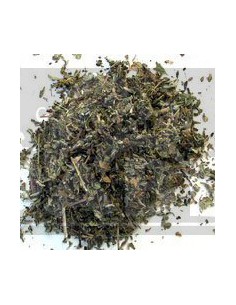
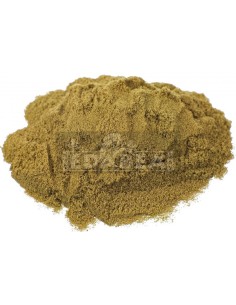
Epimedium 50 grs.
Master Plants
Natural Aphrodisiac Plants
Natural aphrodisiac plants, traditional roots, botanical extracts and ethnobotanical herbs are part of this specialized selection from Edabea. In this category we bring together products historically used in different cultures across the Amazon, the Andes, Mesoamerica and Southeast Asia, always from a botanical, cultural and careful perspective. Here you will find options such as damiana, catuaba, muira puama, maca or tongkat ali, selected for their herbal tradition and ethnobotanical interest. Buy online with discreet shipping, secure SSL payment and specialized support in a store focused on botanical and ethnobotanical products.
What you will find in this category
The Edabea aphrodisiac category brings together a curated selection of herbs, roots, barks, flowers and concentrated extracts that belong to different herbal traditions around the world. Rather than a generic collection, this is a specialized catalogue of botanical products chosen for their cultural relevance, their presence in ethnobotany and their role in traditional herbal preparations.
- Dried herbs such as damiana or epimedium.
- Traditional roots such as maca, tongkat ali or butea superba.
- Amazonian barks such as catuaba, clavo huasca and muira puama.
- Concentrated extracts for those looking for stronger and more practical formats.
- Ethnobotanical flowers such as white lotus, used in infusions and aromatic blends.
Botanical traditions and origin of these plants
One of the strongest aspects of this category is its botanical and geographical diversity. Many of these plants come from very different traditions, allowing users to explore a wide range of herbal profiles within the same thematic group. This diversity of origins also strengthens the semantic value of the category and makes it a more complete page for users looking for both information and purchasing options in one place.
- Brazilian and Peruvian Amazon: catuaba, muira puama and clavo huasca.
- Peruvian Andes: maca in root and extract form.
- Mexico and Central America: damiana.
- Southeast Asia: tongkat ali and butea superba.
- Asian herbal tradition: epimedium.
- Traditional aquatic plants: white lotus.
Types of natural aphrodisiac products
In this category you will find different formats to suit different preferences. Some people prefer the raw plant for infusion or decoction, while others look for concentrated extracts because of their practicality. This variety also helps capture more specific searches such as buy damiana online, maca extract, catuaba bark or muira puama 25X.
- Dried or cut plant for infusions and traditional preparations.
- Bark or root for herbal decoctions.
- 5X, 10X or 25X extracts in more concentrated formats.
- Dried flowers with aromatic and ethnobotanical profiles.
Complete comparison of products in this category
| Product | Traditional origin | Format | Botanical profile | Experience level | Discover |
|---|---|---|---|---|---|
| Butea Superba 25X 1 g | Thailand | 25X extract | Traditional Southeast Asian root | Intermediate | View Butea Superba 25X 1 g |
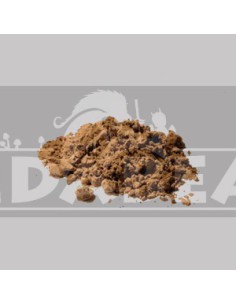
| Damiana 25 g | Mexico and Central America | Dried leaf | Mesoamerican aromatic herb | Beginner | View Damiana 25 g |
| Maca 5X 5 g | Peruvian Andes | 5X extract | Concentrated Andean root | Beginner | View Maca extract |
| Muira Puama 25X 5 g | Brazilian Amazon | 25X extract | Traditional Amazonian extract | Intermediate | View Muira Puama 25X |
| Epimedium 50 g | Asia | Dried herb | Classic plant of Asian herbalism | Intermediate | View Epimedium |
| White Water Lily (Nymphaea alba) 20 g | Europe and Asia | Dried flower | Aquatic flower of ethnobotanical interest | Beginner | View White Water Lily |
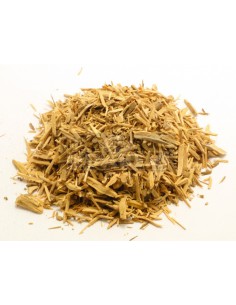
| Catuaba 80 g | Brazil | Dried bark | Traditional Amazonian bark | Intermediate | View Catuaba |
| Butea Superba 50 g | Thailand | Dried root | Asian herbal root | Intermediate | View Butea Superba 50 g |
| Clavo Huasca 80 g | Peru and Brazil | Plant bark | Amazonian aromatic vine | Intermediate | View Clavo Huasca |
| Muira Puama 80 g | Brazil | Dried bark | Amazonian root bark | Intermediate | View Muira Puama 80 g |
| Tongkat Ali 50 g | Malaysia and Southeast Asia | Dried root | Traditional bitter Asian root | Intermediate | View Tongkat Ali |
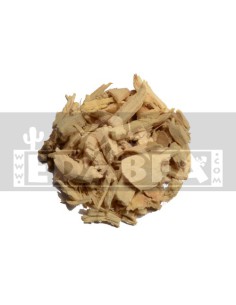
| Maca 80 g | Peru | Dried root | Nutritional Andean root | Beginner | View Maca 80 g |
| Damiana 10X | Mexico and Central America | 10X extract | Concentrated damiana extract | Intermediate | View Damiana 10X |
Most searched aphrodisiac plants in this category
Some of the products with the highest interest in this category include damiana, catuaba, muira puama, maca and tongkat ali. These products combine a strong tradition of use, clear semantic relevance and interesting long-tail searches, both in dried plant format and botanical extracts.
How these plants are traditionally used
The method of use depends on the plant and its format. Roots and barks are commonly prepared through decoctions, while leaves and flowers are usually consumed as herbal infusions. Concentrated extracts allow the use of smaller quantities and are practical for those who prefer compact formats. Some traditions also include alcohol macerations or herbal blends, always within a careful and informed approach.
- Choose the appropriate format depending on the plant or extract.
- Check the product page to see its suggested preparation.
- Start with moderate quantities when trying a plant for the first time.
- Store the product in a cool, dry place protected from light.
Why buy natural aphrodisiac plants from Edabea
Edabea is a specialized store focused on ethnobotany, traditional plants and botanical extracts. Our catalogue is not built around quantity but around careful curation, offering well presented products, clear botanical information and useful internal links to explore each subgroup. This thematic specialization improves both the shopping experience and the authority of the category when competing for searches related to natural aphrodisiac plants.
We also offer fast and discreet shipping, secure SSL payment and specialized customer support. This combination of curated catalogue, botanical context and reliable purchasing experience helps strengthen user trust and allows the category to compete with other ecommerce stores in the sector.
Explore by botanical profiles and traditions
If you are looking for an Amazonian profile, you can explore products such as catuaba, muira puama and clavo huasca. For Andean traditions, maca and its extract versions are a clear reference. If you prefer Asian herbal traditions, you can discover tongkat ali, butea superba or epimedium.
What are natural aphrodisiacs?
Natural aphrodisiacs are plants, roots, flowers or botanical extracts that have traditionally been used in different cultures to accompany vitality, physical wellbeing and intimate connection. Many of these species are part of herbal traditions in America, Asia and Africa and appear in infusions, decoctions or botanical preparations that have been used for centuries.
Within modern ethnobotany these plants are studied for their aromatic profile, their natural composition and their historical presence in herbal practices. Among the best known examples are damiana, catuaba, muira puama and maca.
Traditional aphrodisiac plants by region
Many aphrodisiac plants originate from regions with strong herbal traditions. Each part of the world has developed its own botanical preparations and cultural uses.
Amazon and South America
The Amazon rainforest is one of the best known sources of plants used in traditional herbal preparations. In this category notable examples include catuaba, muira puama and clavo huasca.
Peruvian Andes
In the high regions of the Andes grows maca, a nutritious root that has long been part of the traditional diet of Andean communities.
Southeast Asia
In Asia we find traditional roots such as tongkat ali, butea superba and epimedium, which are known within different herbal traditions across the continent.
How to choose a natural aphrodisiac plant
When choosing a natural aphrodisiac plant it is helpful to consider several factors such as the product format, the plant's herbal tradition and the most common preparation method.
- Format: dried plant, bark, root or concentrated extract.
- Preparation: infusion, decoction or maceration.
- Botanical origin: Amazonian, Asian, Andean or Mesoamerican.
- Experience level: some plants are more beginner-friendly than others.
At Edabea we work with a curated selection of ethnobotanical plants to help users explore these herbal traditions with clear and transparent information.
Traditional herbal preparations
Aphrodisiac plants can be prepared in different ways depending on the herbal tradition and the part of the plant used.
- Infusion: dried leaves and flowers such as damiana or white lotus.
- Decoction: roots or barks such as catuaba or muira puama.
- Maceration: some roots can be left in alcohol to obtain traditional extracts.
- Concentrated extracts: versions such as 5X, 10X or 25X that concentrate the plant material.
Frequently asked questions about natural aphrodisiac plants
What are natural aphrodisiac plants?
They are plants, roots, flowers, barks or botanical extracts that appear in different herbal traditions around the world and have historically been used in botanical preparations associated with vitality, energy and intimate wellbeing.
What types of products are included in this category?
In this section you will find dried herbs, roots, Amazonian barks, ethnobotanical flowers and concentrated extracts. This variety allows users to choose between traditional infusion formats and more compact options such as 5X, 10X or 25X extracts.
What is the difference between a dried plant and an extract?
Dried plants are usually prepared through infusion or decoction, while extracts provide a higher concentration of the original plant material. For this reason extracts are typically used in smaller quantities and can be practical for certain botanical preparations.
Which aphrodisiac plants are the most well known?
Some of the most recognized plants in this category include damiana, maca, catuaba, muira puama, tongkat ali, butea superba and epimedium. Each belongs to a different botanical tradition and offers a unique profile depending on its origin, format and preparation.
How are these plants prepared?
Preparation depends on the product. Leaves and flowers are usually prepared as infusions, while roots and barks are more commonly used in decoctions. Some plants can also be macerated or combined into herbal blends depending on the tradition and format.
How should aphrodisiac plants be stored?
The general recommendation is to store them in a cool, dry place protected from direct light. Keeping the container well sealed helps preserve the aroma, texture and botanical properties of the plant or extract.
Why buy aphrodisiac plants online from Edabea?
Because Edabea is a store specialized in ethnobotany and traditional plants, with a curated catalogue, informative product pages, useful internal links and a reliable purchasing experience. We also offer discreet shipping, secure SSL payment and specialized customer support.
Can I find products from different botanical traditions in one category?
Yes. This category brings together plants from the Amazon, the Andes, Mesoamerica, Asia and Southeast Asia, allowing users to compare formats, botanical profiles and cultural traditions within a single well-structured page.
Which products are a good starting point for beginners?
For those exploring these plants for the first time, products such as damiana, maca or white lotus are often easier entry points due to their format and simple preparation. Bark products and concentrated extracts are usually more suitable for users already familiar with these types of plants.
Does Edabea ship these products discreetly?
Yes. At Edabea we focus on a professional and reliable purchasing experience. You can buy online with discreet shipping, secure SSL payment and specialized support, something especially important for sensitive product categories like this one.
Feedbacks
Category : Aphrodisiacs
Based on 3 feedback(s) 3