Traditional Amazonian Rapé
The rapé is a ceremonial powder made from wild tobacco (Nicotiana rustica) combined with vegetal ashes and selected Amazonian plants, used for generations by different indigenous peoples of the Amazon in ceremonial, meditative, and spiritual contexts. Each blend reflects ethnobotanical knowledge passed down through generations within specific traditions of peoples such as the Yawanawá, Nukini, Kaxinawá, or Katukina. To learn more about its origin, history, and traditional uses, you can read our article: What is rapé and what is it used for?
Composition and Preparation
The base of practically all rapé blends is mapacho (Nicotiana rustica) — the wild Amazonian tobacco, with a higher concentration of alkaloids than commercially cultivated tobacco (Nicotiana tabacum). This base is complemented by vegetal ashes — usually from plants such as tsunu, murici, or parica — which modify the pH of the blend and the texture of the resulting powder. On this base, additional specific plants are incorporated for each blend: Banisteriopsis caapi (caapi), guarumo, bobinsana, guayusa, matico, kanna, or others depending on the tradition of the producing community.
The preparation process is artisanal and varies between communities and traditions. The plants are dried, ground, and sifted until a fine powder is obtained, which is preserved in airtight containers to maintain its aromatic properties.
Varieties Available at Edabea
Indigenous Producing Peoples
The rapé blends available in the Edabea catalog come from the traditions of different Amazonian indigenous peoples, mainly from Brazil and Peru:
- Yawanawá — Acre, Brazil. Known for their blends with tsunu ash.
- Nukini — Acre, Brazil. Tradition with cetico and wild aromatic plants.
- Kaxinawá (Huni Kuin) — Acre, Brazil, and Ucayali, Peru.
- Katukina — Amazonas, Brazil.
- Shanenawa — Acre, Brazil.
Application Tools
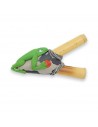
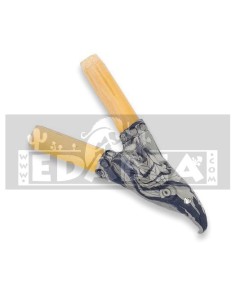
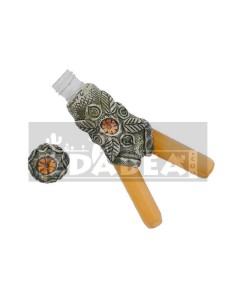
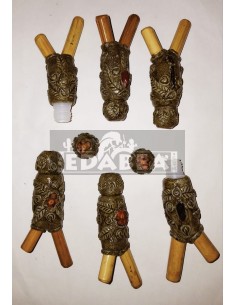
Rapé is traditionally administered through nasal blowing using specific tools. The kuripe is a V-shaped tube that allows for self-administration; the tepi is a longer straight tube used to administer rapé to another person. Both tools are available in the Edabea catalog.
Legal Situation
Rapé made from Nicotiana rustica and Amazonian plants is not included in the lists of controlled substances in most European jurisdictions. However, since it contains tobacco, it may be subject to specific regulations regarding tobacco products depending on the country. It is the buyer's responsibility to check the applicable regulations in their place of residence. Edabea products are marketed exclusively for ethnobotanical purposes.
Frequently Asked Questions about Rapé
What is Amazonian rapé?
Rapé is a ceremonial powder handcrafted from Amazonian tobacco (Nicotiana rustica) combined with vegetal ashes and specific plants from each indigenous tradition. Unlike commercial tobacco (Nicotiana tabacum), mapacho or Nicotiana rustica has a significantly higher concentration of alkaloids. Its use is documented in various indigenous Amazonian traditions from Brazil and Peru, primarily in ceremonial and spiritual contexts.
How is rapé applied?
It is administered by nasal blowing using traditional tools — the kuripe for self-administration or the tepi for administration by another person. The powder is introduced into the nostrils in small amounts. The application technique varies according to the tradition of the producing community.
Does rapé contain tobacco?
Most blends contain Nicotiana rustica (mapacho) as a base, combined with vegetal ashes and additional plants according to the blend. Rapé Pure Mapacho contains exclusively Nicotiana rustica without additional plants. Rapé Kanna incorporates Sceletium tortuosum as a secondary plant, coming from South African ethnobotanical tradition.
What is the difference between the different blends?
The differences between blends are of two types: the type of ash used as a base — which determines the pH and texture of the powder — and the additional plants incorporated, which bring specific phytochemical compounds and distinct aromatic profiles. Rapé Tsunu Yawanawa uses tsunu ash (Platycyamus regnellii); Rapé Guarumo incorporates Cecropia spp.; Rapé Caapi adds Banisteriopsis caapi to the mapacho base.
Selection curated by the Edabea Natura team. Exclusively for ethnobotanical use. Tobacco product. Last updated: April 2026.