

Shopping Cart
There are no more items in your cart
DMT and Its Therapeutic Potential
Categories :
Ayahuasca
Psychedelics Enter Modern Clinical Research
Dimethyltryptamine (DMT) has been part of the spiritual and healing traditions of indigenous peoples of South America for centuries, primarily through ayahuasca — the ceremonial preparation that combines plants rich in DMT with plant-derived MAO inhibitors. What for decades was ignored or stigmatized by Western medicine has begun to awaken increasing clinical interest: in recent years, several world-renowned research centers have initiated clinical trials to evaluate the therapeutic potential of DMT in controlled contexts.
This article summarizes the current state of that research, the proposed mechanisms, and the ethnobotanical context in which DMT has been used for generations.
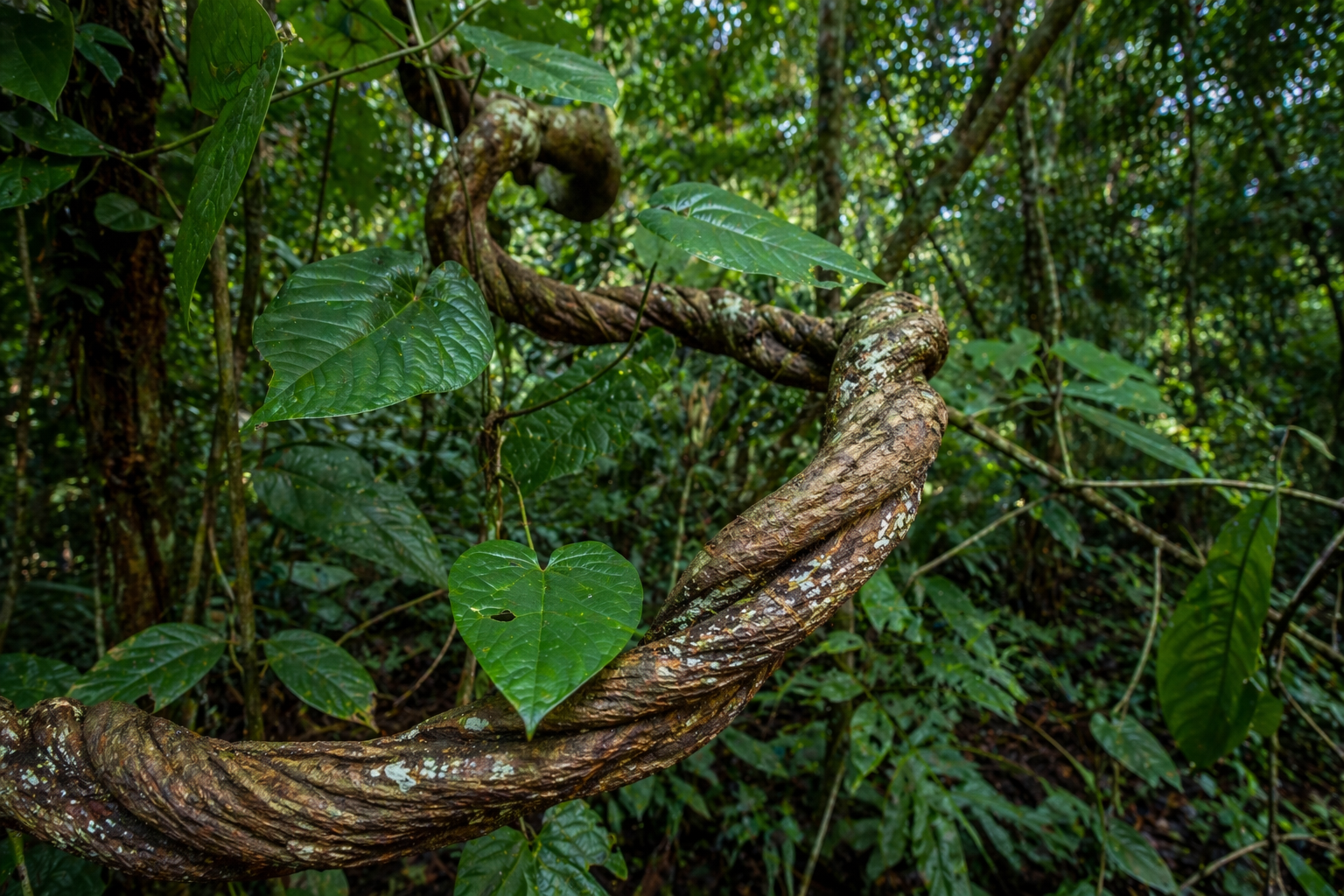
Liana Banisteriopsis caapi in its natural environment
What is DMT?
Dimethyltryptamine is a classic psychedelic compound of the tryptamine family. It primarily acts as an agonist of the central nervous system's 5-HT2A serotonin receptors, the same action mechanism shared by other classic psychedelics such as psilocybin and LSD (Nichols, D.E., 2016. Psychedelics. Pharmacological Reviews). It is found naturally in a wide variety of plants — including Psychotria viridis (chacruna), Diplopterys cabrerana (chaliponga), and various species of the genus Mimosa — and in small amounts in mammalian tissues, including that of humans.
Its main pharmacological characteristics include the intensity and brevity of its effects when administered in isolation: through inhalation or intravenous routes, effects appear within seconds and last between 15 and 30 minutes, due to the rapid metabolism of the molecule by the monoamine oxidase (MAO) enzyme. In the traditional preparation of ayahuasca, the beta-carboline alkaloids present in Banisteriopsis caapi — harmine, harmaline, and tetrahydroharmine — act as reversible MAO inhibitors, allowing orally ingested DMT to be active and produce prolonged effects lasting from 4 to 6 hours (Callaway, J.C. et al., 1999. Journal of Analytical Toxicology, 23(7), 524–532).
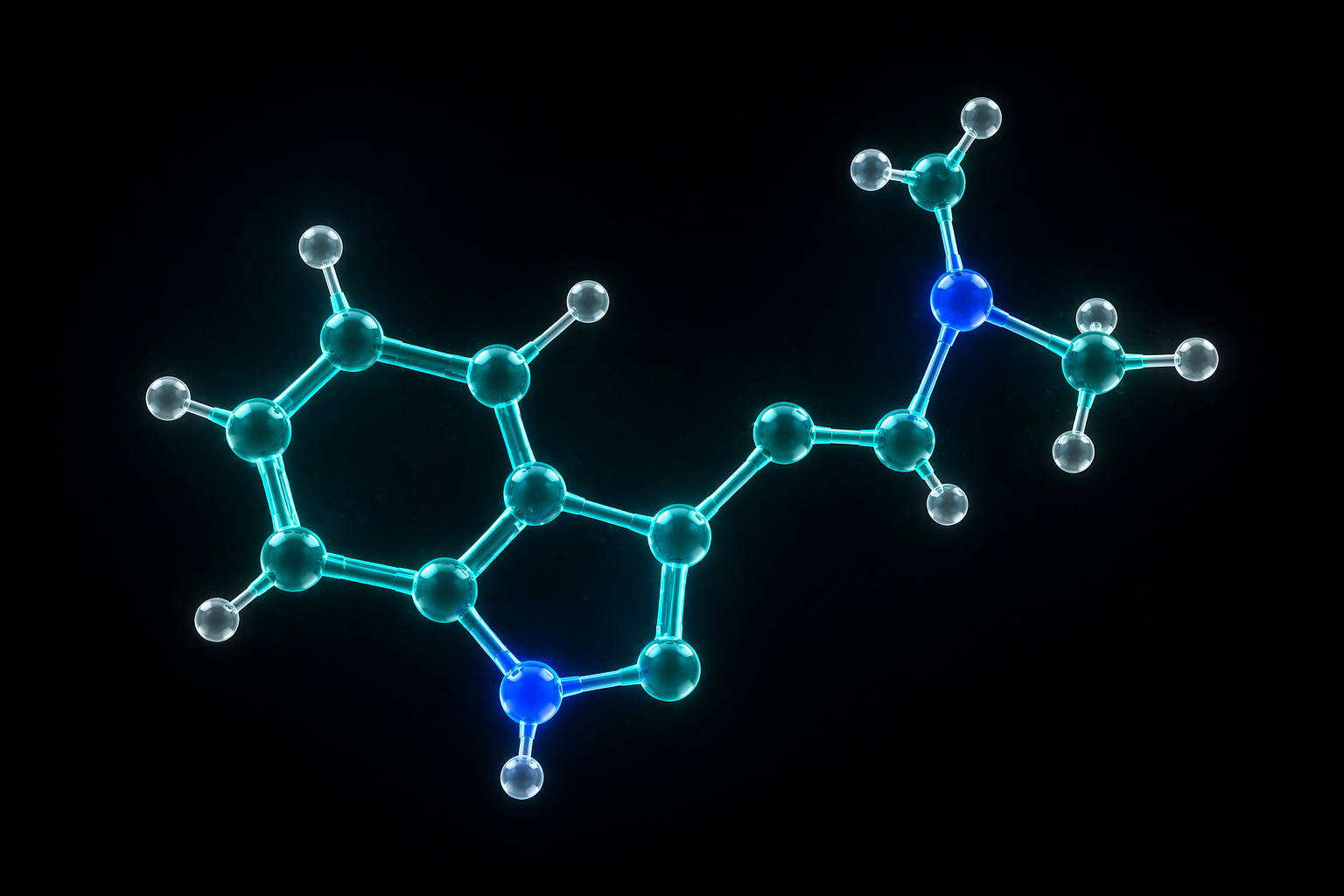
DMT molecular structure
DMT in Ethnobotanical Tradition: The Context of Ayahuasca
Before any clinical trials existed, DMT was already a central part of traditional medicinal systems documented for centuries in the Amazon basin. Ayahuasca — also known as yagé, hoasca, or caapi depending on the region and tradition — is prepared by combining the leaves of DMT-rich plants with the liana Banisteriopsis caapi. The botanical knowledge necessary to identify these plants, prepare them correctly, and administer them in a ceremonial context is part of a corpus of traditional wisdom recognized today in several countries as intangible cultural heritage.
Ethnobotanical researcher Richard Evans Schultes was one of the first Western scientists to systematically document the use of ayahuasca and characterize its active components (Schultes, R.E. & Hofmann, A., 1979. Plants of the Gods. McGraw-Hill). Decades later, the work of Jordi Riba and other researchers began to bridge that tradition with modern clinical pharmacology.
At Edabea, we work with a selection of botanical ingredients for ayahuasca — including Banisteriopsis caapi, Psychotria viridis, Diplopterys cabrerana, and Peganum harmala — marketed exclusively as botanical collection material and ethnobotanical research.
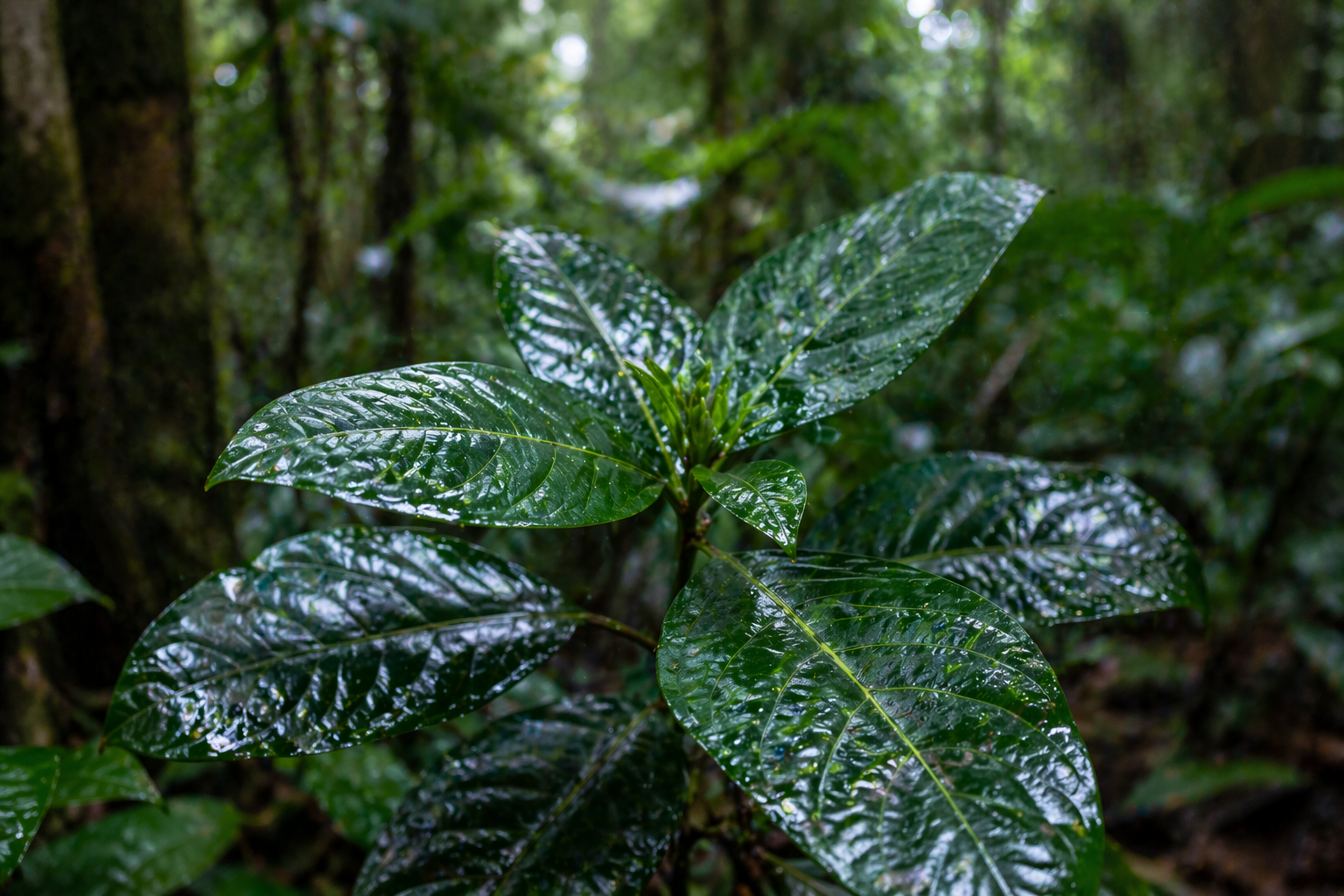
Leaves of Psychotria viridis (chacruna)
Current Clinical Research
Treatment-Resistant Depression
The most advanced clinical trials on DMT have been conducted in the context of treatment-resistant depression — a subtype of major depression that does not respond to two or more lines of standard pharmacological treatment. Researchers at the Imperial College London Centre for Psychedelic Research have published preliminary results of intravenous DMT administration combined with psychotherapy, reporting rapid and significant reductions in depressive symptoms after a single session, with effects that have in some cases persisted for weeks (Carhart-Harris, R.L. et al., 2016–2023. Imperial College London Centre for Psychedelic Research).
The company Small Pharma has pioneered the development of DMT formulations for clinical use, completing phase I/IIa trials for major depression with results that have generated regulatory interest in this field.
Alcohol Use Disorder
Early stage research is exploring the use of DMT as a complement to psychological therapy in alcohol use disorders. Its possible ability to facilitate changes in cognitive patterns and reduce psychological adherence to addictive behaviors is being studied, in line with results observed with psilocybin in similar studies (Davis, A.K. et al., 2021. Effects of psychedelics on depression. JAMA Psychiatry).
Clinical research
Proposed Therapeutic Mechanisms
Neuroplasticity
Preclinical studies suggest that classic psychedelics, including DMT, may promote the growth of dendritic spines and the reorganization of synaptic connections — a process known as structural neuroplasticity. Inserra (2018) proposed that DMT may act on sigma-1 receptors, implicated in the regulation of neuronal plasticity, as a complementary mechanism to its action on 5-HT2A receptors (Inserra, A., 2018. Hypothesis on DMT and neuroplasticity. Frontiers in Neuroscience).
Cognitive Flexibility
Classic psychedelics temporarily disrupt the activity patterns of the default mode network, associated with rumination and rigid thinking patterns characteristic of depression and anxiety disorders. This transitory disruption may create a window of greater cognitive flexibility that, combined with psychotherapy, facilitates the restructuring of entrenched mental schemas (Carhart-Harris, R.L. et al., op. cit.).
Subjective Experience and Emotional Processing
The intensity of the psychedelic experience — particularly mystical or ego-dissolution experiences — has been identified as a predictor of therapeutic response in several trials with psilocybin and, preliminarily, with DMT. The hypothesis is that the emotional intensity of the experience may facilitate processing and re-signification processes that are difficult to achieve with conventional psychotherapy (Liechti, M.E., 2017. Modern clinical research on LSD, psilocybin, and DMT. Neuropsychopharmacology).
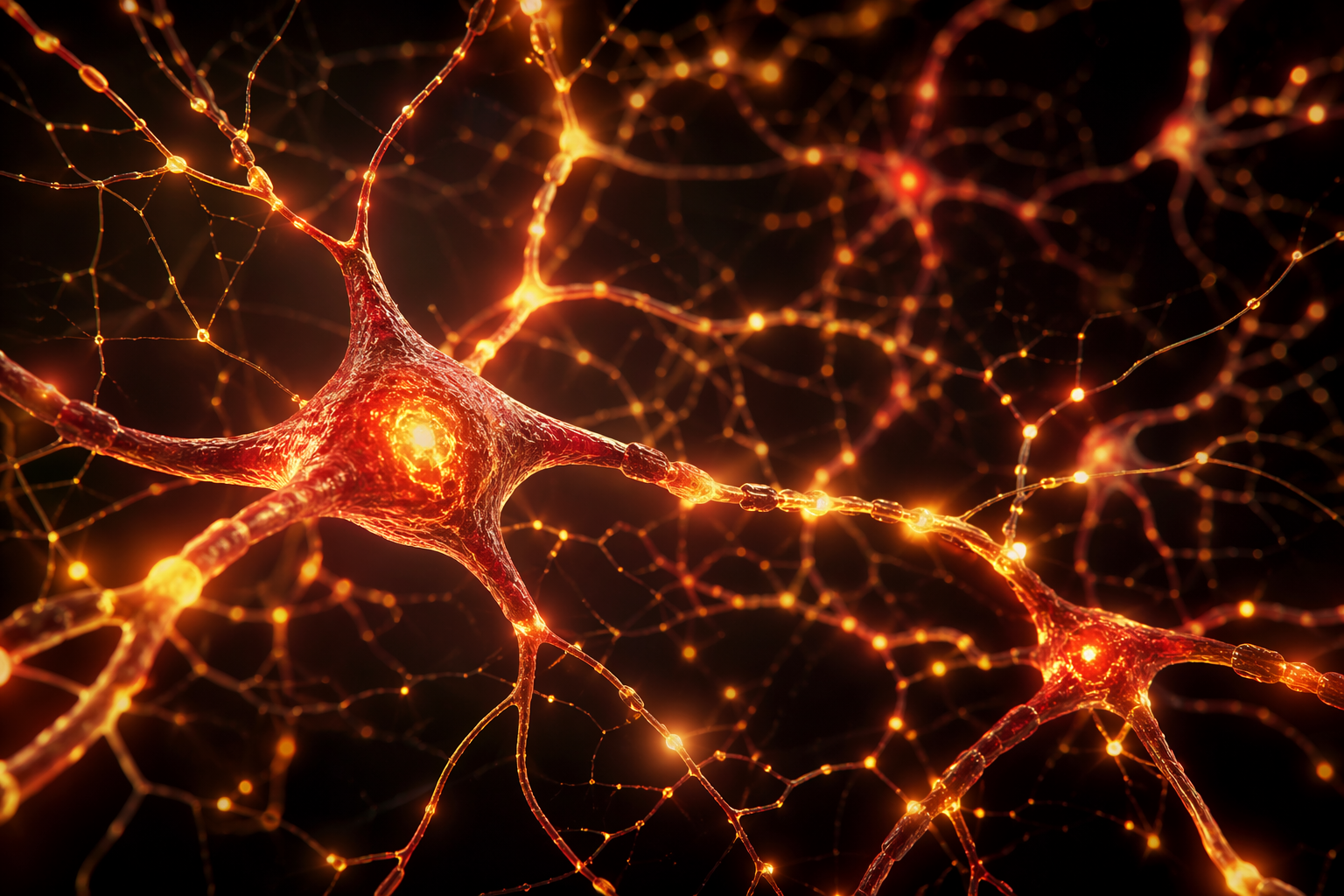
Neuroplasticity, neural network
Safety and Limitations
In controlled clinical settings, DMT has shown an acceptable safety profile. The most documented adverse effects are the transient increase in blood pressure and heart rate during the session — which implies that individuals with pre-existing cardiovascular conditions require careful evaluation before participating in any protocol. No significant organic toxicity effects have been reported in the trials published to date.
Current research limitations are significant: the available studies have small sample sizes, often lack a proper placebo group — which is difficult to implement with substances that have such marked subjective effects — and long-term follow-up is limited. The Yale School of Medicine and other centers are developing phase II and III protocols with larger numbers of participants to address these limitations.
Current State of Research (2026)
DMT is in the early stages of formal clinical research — phases I and II for most indications. Published results are promising for treatment-resistant depression and, more preliminarily, for substance use disorders. However, the leap from phase II trials to regulatory approval as a standard therapeutic tool requires multicenter studies with larger participant numbers, standardized protocols for assisted psychotherapy, and long-term outcome follow-up.
Regulatory interest has significantly increased since 2020: the FDA has granted "breakthrough therapy" designation to psilocybin for treatment-resistant depression, opening a regulatory pathway that could also benefit the clinical development of DMT in the coming years.
About This Content
This article is informative and educational in nature. It does not constitute medical recommendation nor promote the unsupervised use of any substance. The clinical use of DMT is carried out exclusively in regulated research contexts and under professional supervision. Last updated: April 2026.
Bibliographic References
- Callaway, J.C. et al. (1999). Pharmacokinetics of hoasca alkaloids in healthy humans. Journal of Analytical Toxicology, 23(7), 524–532.
- Carhart-Harris, R.L. et al. (2016–2023). Studies on psychedelics and depression. Imperial College London Centre for Psychedelic Research.
- Davis, A.K. et al. (2021). Effects of psychedelics on depression. JAMA Psychiatry.
- Inserra, A. (2018). Hypothesis on DMT and neuroplasticity. Frontiers in Neuroscience.
- Liechti, M.E. (2017). Modern clinical research on LSD, psilocybin, and DMT. Neuropsychopharmacology.
- Nichols, D.E. (2016). Psychedelics. Pharmacological Reviews, 68(2), 264–355.
- Schultes, R.E. & Hofmann, A. (1979). Plants of the Gods. McGraw-Hill.
- Yale School of Medicine – Clinical research on psychedelic-assisted therapy.
Share this content