Shopping Cart
There are no more items in your cart

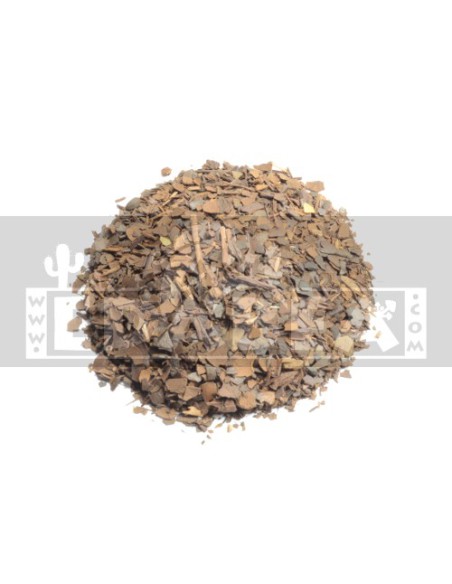
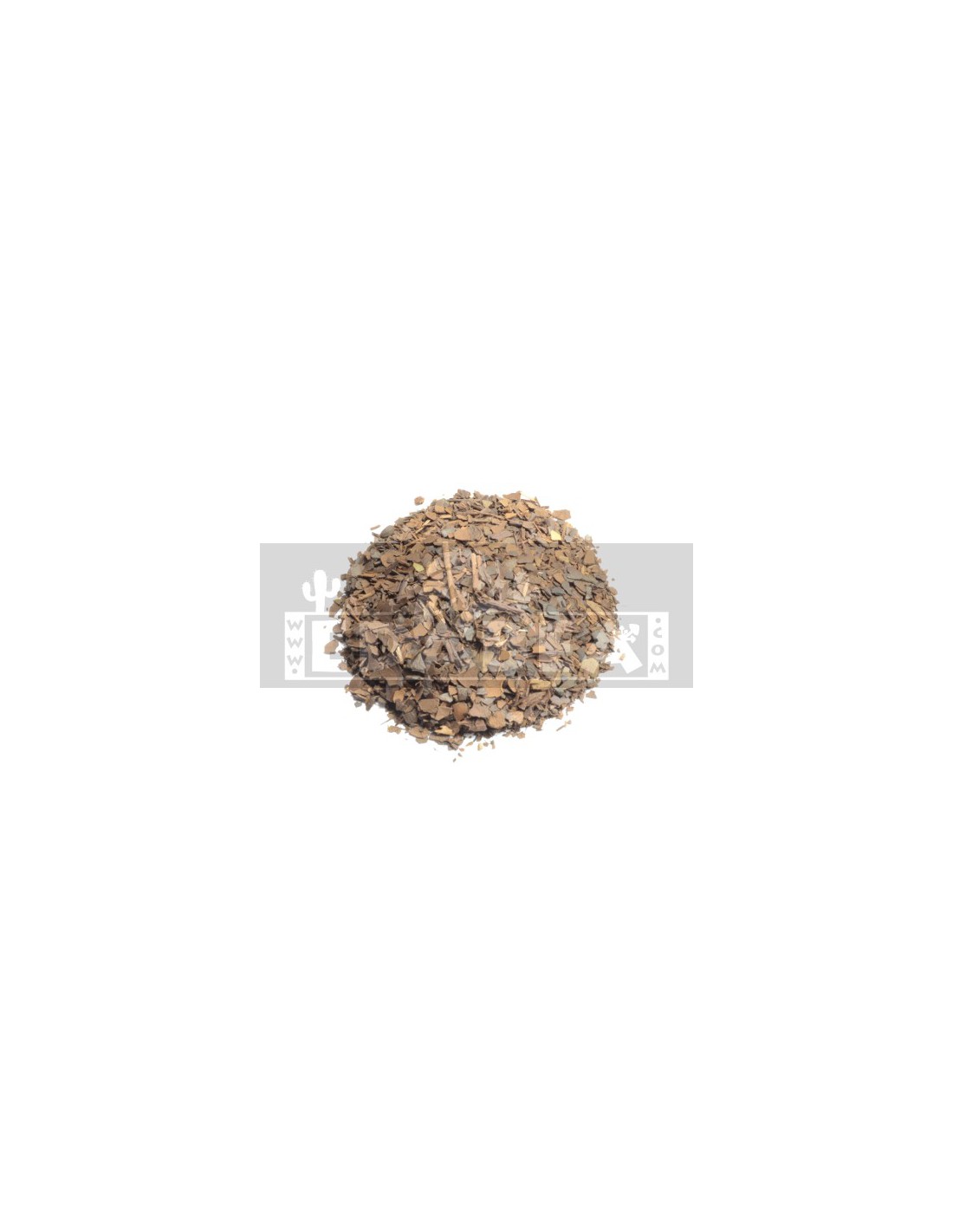
Yerba Mate (Ilex paraguariensis) 100 g
€7.85
Tax included
Yerba Mate (Ilex paraguariensis) — 100 g of dried and ground leaves and stems. A neotropical tree plant native to the basins of the Upper Paraná and Upper Uruguay rivers, with documented use among the Guaraní people prior to European colonization. It is the base of the most consumed infusion in Argentina, Uruguay, and Paraguay. Botanical collection material.
Ratings and comments from our customers
Yerba Mate — Product Information
The Yerba Mate (Ilex paraguariensis) is a tree species in the Aquifoliaceae family, native to the basins of the Upper Paraná, Upper Uruguay, and some tributaries of the Paraguay River, where it grows wild as part of the understory or mid-layer of subtropical forests. It is presented in dried and ground leaves and stems, in a 100 g format.
Etymology and Traditional Names
The name mate comes from the Quechua word mati, which originally referred to the gourd or "calabash" used as a container for the infusion — not the plant itself. In Guaraní, the plant is known as ka'a, which simply means "herb" or "plant". Its other historical names — jesuit's herb, Paraguayan tea, or jesuit tea — refer to the role of the Society of Jesus in promoting its cultivation during the colonial period.
History and Ethnobotanical Context
Yerba mate was consumed since ancient times by the Guaraní and Guaycurú peoples of present-day Paraguay, northeastern Argentina, and southern Brazil, long before the arrival of the Spanish. The Guaraní would chew fresh leaves or prepare them as an infusion, attributing the plant with toning and sacred properties within their worldview.
With the arrival of the Jesuits in the Río de la Plata in the 17th century, the Society of Jesus organized the systematic cultivation of yerba mate in their reductions — indigenous communities under Jesuit administration — establishing the first large-scale plantations in what is now Paraguay and the Argentine province of Misiones. This Jesuit production organization laid the foundation for the yerba industry that persists to this day, which is why the plant received the popular names of "jesuit's herb" and "Paraguayan tea" in Europe.
After the expulsion of the Jesuits from Spanish territories in 1767 by order of Carlos III, the plantations went into decline for decades until cultivation was resumed by settlers and private enterprises in the 19th century. Today, Argentina is the leading producer and exporter of yerba mate worldwide, followed by Brazil and Paraguay.
Phytochemical Profile
The leaves of Ilex paraguariensis mainly contain methylxanthines — caffeine, theobromine, and theophylline — the same group of compounds found in coffee (Coffea arabica), cocoa (Theobroma cacao), and tea (Camellia sinensis). Caffeine is the most abundant methylxanthine, with concentrations ranging from 0.5% to 1.7% of the dry weight of the leaf depending on origin and processing. It also contains polyphenols — mainly chlorogenic acids — and saponins.
Mate as a Cultural Object
Beyond the plant itself, mate is a deeply rooted social ritual in Argentina, Uruguay, Paraguay, and southern Brazil. The infusion is prepared in a container — the gourd or mate — through a metal straw with a filter, and is shared in rounds among the participants. The act of preparing mate — brewing and serving the infusion — has a well-defined social protocol and is considered a gesture of hospitality and cultural belonging. In 2020, UNESCO included mate on the List of Intangible Cultural Heritage of Humanity.
Conservation
Store in a cool, dry place protected from direct light, in an airtight container. Once opened, close tightly after each use to preserve aroma and prevent moisture absorption.
Legal Aspects
Ilex paraguariensis is completely legal without any regulatory restrictions. The legal status may vary depending on jurisdiction. This product is marketed exclusively as botanical collection material.
Frequently Asked Questions
What is the difference between yerba mate and green tea or coffee?
All three contain caffeine as the main methylxanthine, but in different proportions and accompanied by different compounds. Coffee contains almost pure caffeine as its main stimulant. Green tea contains caffeine alongside L-theanine, an amino acid that modulates its effect. Yerba mate contains caffeine, theobromine, and theophylline — the same profile as cocoa — along with polyphenols and saponins specific to the Ilex genus. They represent three distinct phytochemical profiles within the same methylxanthine group.
Why is it called "jesuit's herb"?
Because the Society of Jesus organized the systematic cultivation of yerba mate in their reductions in the Río de la Plata during the 17th century, establishing the first large-scale plantations and promoting the consumption of the infusion in Europe. When the Jesuits were expelled from Spanish territories in 1767, the popular name was already well established in the European market.
What did UNESCO say about mate?
In 2020, UNESCO included mate on the List of Intangible Cultural Heritage of Humanity, recognizing its value as a cultural practice shared among Argentina, Uruguay, Paraguay, and Brazil. The declaration specifically references the social ritual of mate — the act of preparing and sharing the infusion — not just the plant itself.
How does this reference to cocoa differ from the catalog?
Both share the group of methylxanthines — caffeine and theobromine — but are botanically distinct plants from different families. Cocoa (Theobroma cacao) belongs to the Malvaceae family, and theobromine is its dominant methylxanthine. Yerba mate belongs to the Aquifoliaceae family, and caffeine is its dominant methylxanthine.
9 Items
Tap to zoom