Shopping Cart
There are no more items in your cart

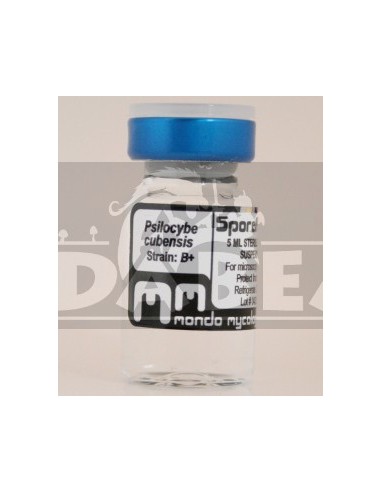
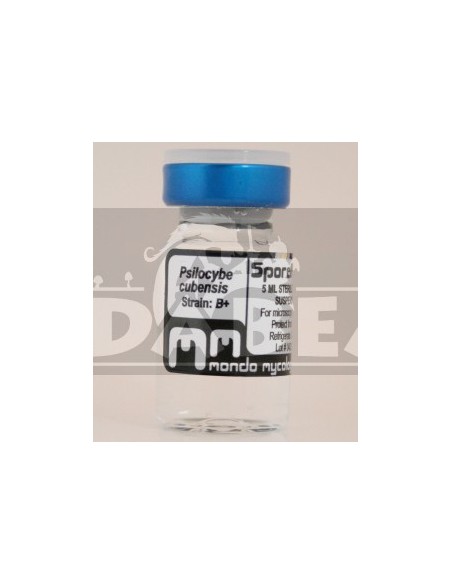
B+ 10 ml.
Out-of-Stock
€14.50
Tax included
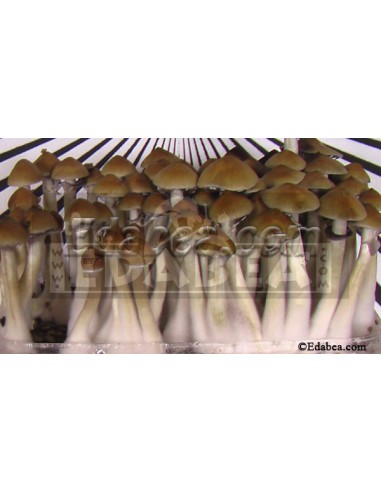
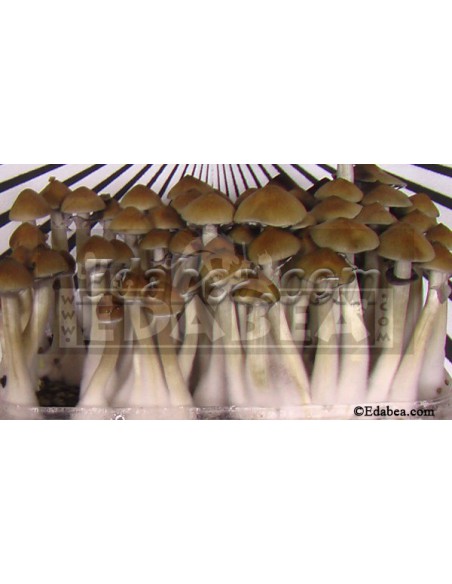
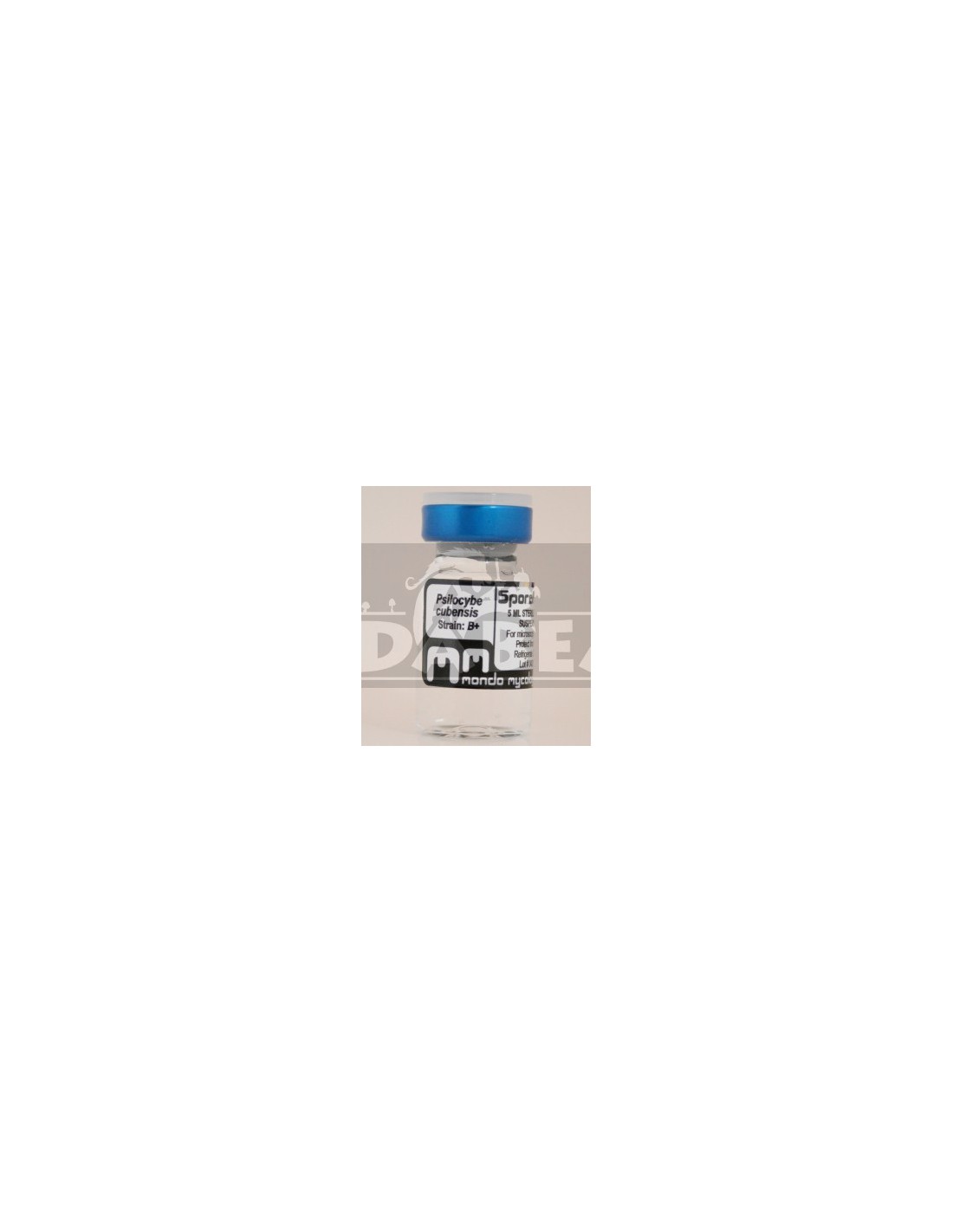
B+ Spore Vial 10 ml. Psilocybe cubensis var. B+. Spores in sterile aqueous solution, 10 ml vial with sterile syringe. One of the most distributed varieties in the European collection market, with origins traced back to Florida (USA) in the 1990s. Initially cataloged as a hybrid of P. cubensis and P. azurescens due to the visual similarity of their caps, the B+ is genetically 100% P. cubensis. Notable for its exceptional tolerance to low temperatures, with documented fruiting from 15 °C, and for the size of its fruiting bodies in nutrient-rich substrates. Collection material for mycological research.
Ratings and comments from our customers
B+ Spore Vial
The B+ spore vial contains a sterile aqueous suspension of spores from Psilocybe cubensis var. B+ in a 10 ml vial with an included sterile syringe. It is one of the historically most distributed varieties in both the European and American collection market, known for both its morphological versatility and the taxonomic confusion surrounding its initial identification.
Origin and Taxonomic Confusion with Psilocybe azurescens
The B+ is attributed to a Florida (USA) cultivator active in the mycological collection community in the 1990s, known as "Mr. G." When the strain began to circulate in that setting, its dark caramel-colored caps and convex profile led some collectors to label it as a hybrid of Psilocybe cubensis and Psilocybe azurescens, two morphologically distinct species with some visual similarity in the cap.
Psilocybe azurescens is a different species, scientifically described by Paul Stamets and Paul Kroeger in 1996, that grows in coastal areas of the northwestern USA on decomposing wood, at significantly lower temperatures than those tolerated by P. cubensis. The species name refers to Stamets’ son, Azureus. Unlike P. cubensis, P. azurescens is not a fungus of organic substrates of animal origin but rather lignocellulosic, making natural hybridization between the two species practically unfeasible under normal conditions.
Later genetic characterization confirmed that the B+ is 100% Psilocybe cubensis, with no genetic contribution from P. azurescens. The visual similarity of the caps that generated the initial confusion is a morphological convergence, not a sign of taxonomic relation.
Documented Morphological and Physiological Characteristics
- Exceptional Thermal Tolerance: The B+ is one of the few varieties of P. cubensis with documented fruiting at temperatures as low as 15 °C. Most varieties of the species require a minimum of 20-22 °C to fruit. This characteristic makes it a reference of interest for studying physiological plasticity within the species.
- Compatibility with Various Substrates: It efficiently colonizes a wide range of substrates, from grains to straw, compost, and peat, with less dependence on the nutritional quality of the substrate than varieties like Fiji.
- Large Fruiting Bodies on nutrient-rich substrates, with documented heights exceeding 30 cm under optimal conditions.
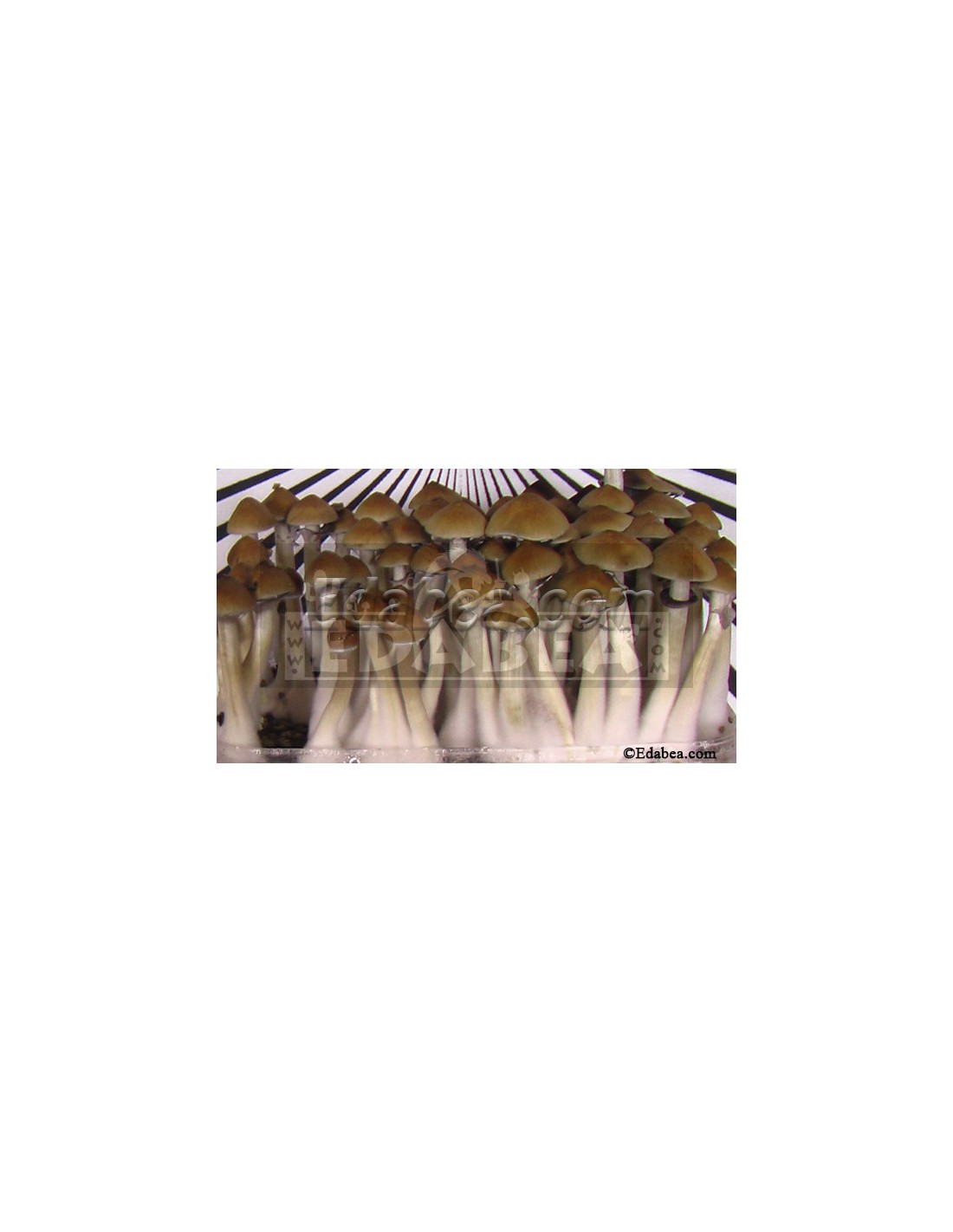
- Dark Caramel Caps with a convex profile, resembling P. azurescens which led to the initial misclassification.
Vial Features
The vial contains spores of Psilocybe cubensis var. B+ in a sterile aqueous suspension (10 ml) with an included sterile syringe. Elongated spores with thick walls, displaying a standard brownish-purple color visible at 400x magnification.
For a complete catalog of available varieties, visit the spore section of Edabea.
Storage
Store in a refrigerator between 2 °C and 8 °C, protected from direct light. Do not freeze. Under appropriate conditions, the spores maintain their viability for months. Avoid sudden temperature changes between uses.
Legal Situation
The legal situation concerning Psilocybe cubensis spores varies by jurisdiction. In many countries, spores, which do not contain psilocybin or psilocin, are not subject to the same regulations as mycelium or fruiting bodies. It is the buyer's responsibility to verify the applicable regulations in their place of residence before placing an order. This product is marketed exclusively as mycological collection material and research.
Frequently Asked Questions
What is Psilocybe azurescens and why was it confused with B+?
Psilocybe azurescens is a distinct species from P. cubensis, scientifically described in 1996 by Paul Stamets and Paul Kroeger from specimens found at the mouth of the Columbia River, on the Oregon coast (USA). It grows on decomposing wood in coastal areas of temperate-cold climates, at temperatures significantly lower than those tolerated by P. cubensis. The confusion with B+ arose from the similarity in the caramel coloration of both fungi's caps, but they are taxonomically and ecologically distinct. P. azurescens is a lignocellulosic fungus of cold climates; the B+ is a tropical coprophilic fungus.
Why is tolerance to 15 °C relevant within P. cubensis?
Most varieties of Psilocybe cubensis require temperatures between 20 and 28 °C to efficiently colonize the substrate and fruit. The documented fruiting of the B+ at 15 °C places it in a significantly broader thermal range than other varieties in the catalog, which is relevant for researchers working in variable temperature conditions or studying physiological plasticity and thermal adaptation within the species.
Who is Paul Stamets?
Paul Stamets (1955) is an American mycologist, author, and businessman, known primarily for his outreach work on applied mycology and for having scientifically described several species in the Psilocybe genus, including P. azurescens (1996). He is the author of reference works in mycology like Psilocybin Mushrooms of the World (1996) and Mycelium Running (2005), and the founder of Fungi Perfecti, a company dedicated to producing fungal supplements. His figure has played a significant role in the dissemination of mycology to the general public in recent decades.
Do the spores contain psilocybin?
No. The spores of Psilocybe cubensis do not contain psilocybin or psilocin. These compounds are synthesized during the development of mycelium and fruiting bodies, not in the dormant spores. This distinction is relevant in many jurisdictions where regulation affects active mycelium and fruiting bodies but not spores.
Product sheet prepared by the specialized team at Edabea Natura. Information based on reference mycological literature. Last updated: May 2026.
Tap to zoom