Shopping Cart
There are no more items in your cart


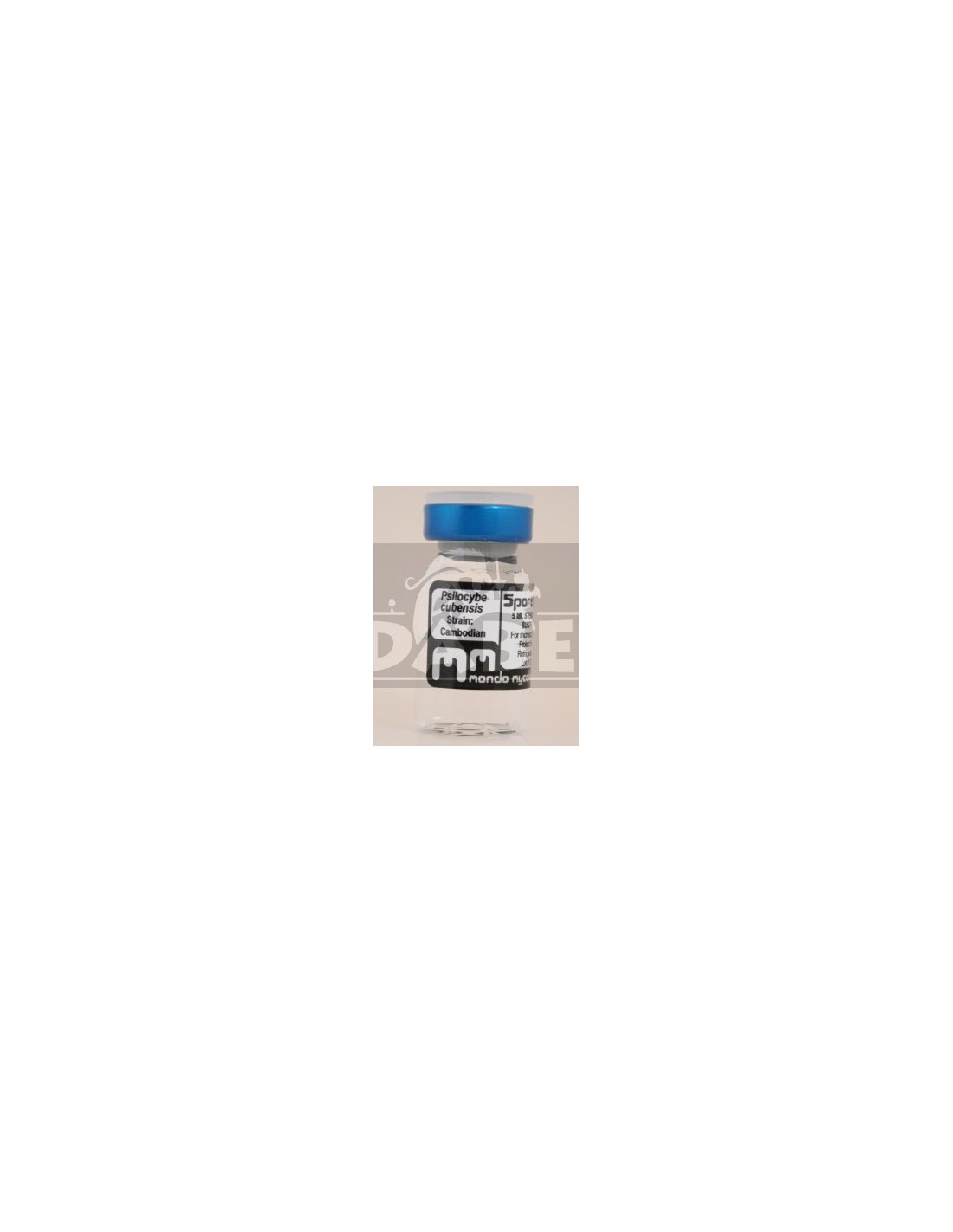
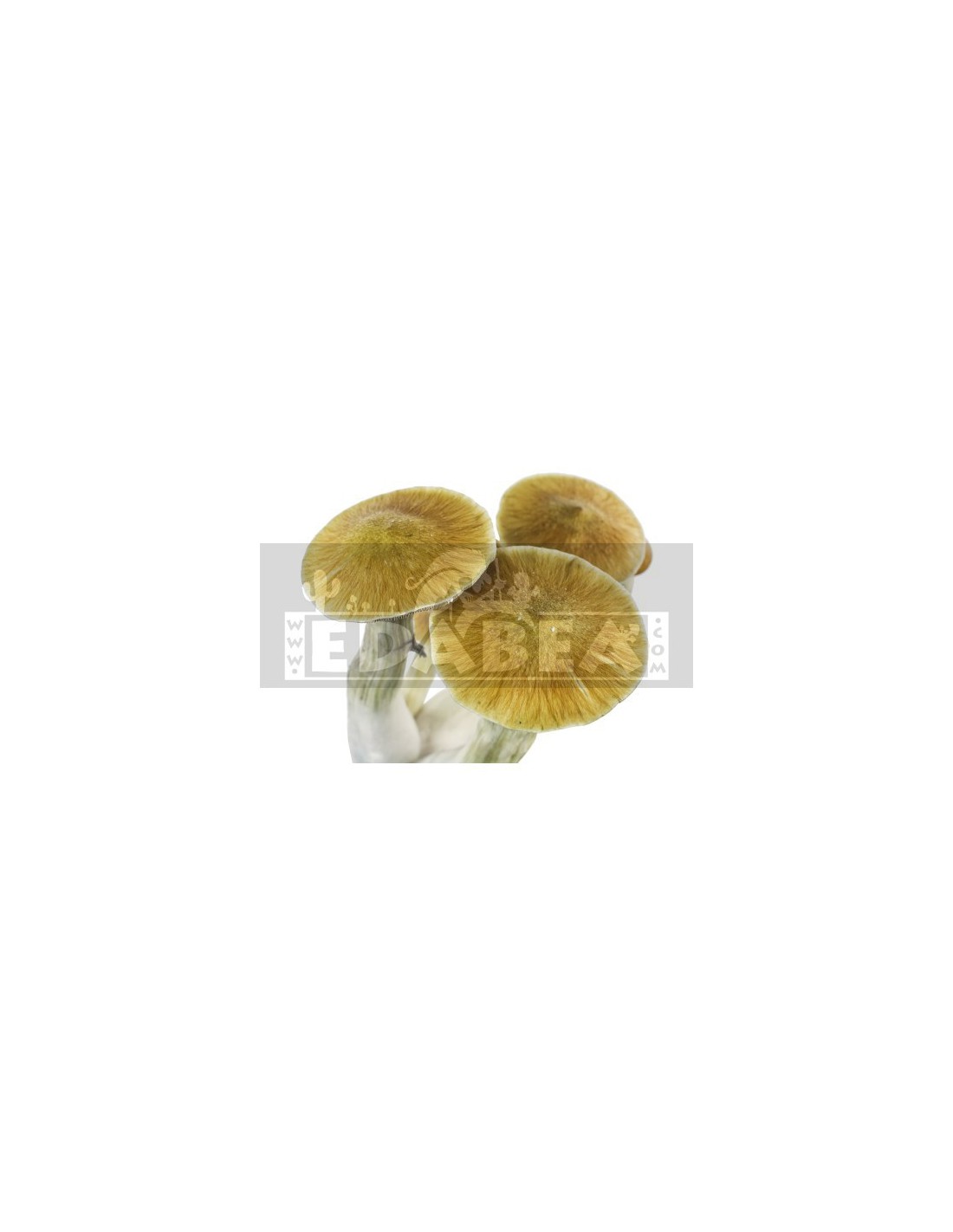
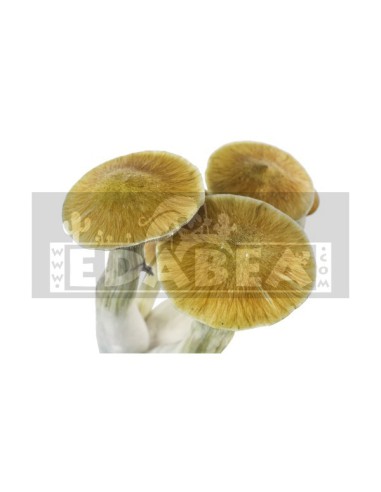
Cambodian 10 ml
€14.50
Tax included
Cambodian Spore Vial 10 ml. — Psilocybe cubensis var. Cambodian. Spores in sterile aqueous solution, 10 ml vial with sterile syringe. Strain isolated by mycologist John Allen at the Angkor Wat complex (Cambodia) — one of the few P. cubensis varieties with documented geographical origin and collector. Known for its fast colonization rate and ability to fruit in vitro, an unusual characteristic within the species. Collection and mycological research material.
Ratings and comments from our customers
Cambodian Spore Vial 10 ml — Product Details
The Cambodian spore vial contains a sterile aqueous suspension of Psilocybe cubensis var. Cambodian in a 10 ml vial with an included sterile syringe. It is one of the few varieties in the catalog with documented geographical origin and collector in standard mycological literature, increasing its ethnomycological interest beyond its morphological characteristics.
Documented Origin — John Allen and Angkor Wat
The Cambodian variety was isolated by American mycologist and ethnomycologist John W. Allen, known in popular mycological literature as "Mushroom John," during one of his documentation trips to Cambodia. Allen located the original specimens around the temple complex of Angkor Wat in Siem Reap province — one of the largest pre-Angkor architectural sites in the world, built in the 12th century during the reign of King Suryavarman II.
John Allen is the author of several field studies on the geographical distribution of Psilocybe spp. in Southeast Asia and America, and has contributed to the documentation of multiple strains of P. cubensis with specific geographical origins. The Cambodian variety is one of the most referenced in specialized mycological collections precisely due to the accuracy of its origin documentation.
Documented Morphological Characteristics
The Cambodian variety presents a set of morphological characteristics that distinguish it within the catalog of P. cubensis varieties:
- Colonization Speed — one of the fastest colonization varieties of the species, with documented times significantly shorter than average.
- In-vitro Fruiting — documented ability to produce fruiting bodies directly from the inoculated substrate without the need for transfer to a fruiting chamber. This characteristic is unusual within P. cubensis and constitutes the most unique morphological trait of this variety from a mycological cultivation standpoint.
- Cap Morphology varies depending on the substrate: medium-sized fruiting bodies on grain substrates, with a tendency for greater development on higher nutrient substrates.
- Documented Temperature Range: the variety shows good morphological performance in the range of 26–30 °C, a temperature higher than the optimal for other varieties of the species.
Vial Characteristics
The vial contains spores of Psilocybe cubensis var. Cambodian in sterile aqueous suspension (10 ml) with an included sterile syringe. The standard format of 10 ml is common in mycological microscopy and allows for direct observation of spore morphology: ellipsoidal spores with thick walls, purple-brown coloration, visible from 400x magnification onwards.
To check the complete catalog of available varieties, visit the spore section of Edabea.
Storage
Store in a refrigerator between 2 °C and 8 °C, protected from direct light. Do not freeze. Under proper conditions, the spores maintain viability for months. Avoid sudden temperature changes between uses.
Legal Status
The legal status of Psilocybe cubensis spores varies by jurisdiction. In many countries, the spores — which do not contain psilocybin or psilocin — are not subject to the same regulations as mycelium or fruiting bodies. It is the buyer's responsibility to verify the applicable regulations in their place of residence before placing an order. This product is marketed exclusively as mycological collection material and for research purposes.
Frequently Asked Questions
Who is John Allen and why is he relevant to this strain?
John W. Allen is an American mycologist and ethnomycologist who has dedicated decades to documenting the geographical distribution of Psilocybe spp. in Southeast Asia, Central America, and the Pacific. His fieldwork in Cambodia, Thailand, and other countries in the region has contributed to cataloging multiple strains of P. cubensis with precise geographical origins. The Cambodian variety is one of his most well-known isolates, identified in the vicinity of the Angkor Wat complex during one of his documentation trips.
What is in-vitro fruiting?
In-vitro fruiting is the ability of a fungus to produce fruiting bodies directly from the inoculated substrate, without the need for transfer to a separate fruiting environment. In Psilocybe cubensis, this characteristic is unusual — most varieties require specific conditions of humidity, temperature, and light to initiate fruiting after substrate colonization. The Cambodian variety is documented for this capability, making it morphologically unique within the species and of interest for comparative fungal development studies.
What morphological difference exists between the Cambodian variety and others in the catalog?
The combination of high colonization speed, in-vitro fruiting, and elevated temperature range (26–30 °C) makes the Cambodian a variety with a differentiated morphological profile. Other varieties in the catalog — such as Costa Rica or Golden Teacher — present slower colonization rates and do not show the same tendency for in-vitro fruiting. This uniqueness makes it a frequent reference in specialized mycological collections.
Do the spores contain psilocybin?
No. Spores of Psilocybe cubensis do not contain psilocybin or psilocin — these compounds are synthesized during the development of mycelium and fruiting bodies, not in the spores in a dormant state. This distinction is relevant from a legal standpoint in numerous jurisdictions where regulations affect active mycelium and fruiting bodies but not spores.
Information provided by the specialized team at Edabea Natura. Information is based on reference mycological literature. Last updated: May 2026.
4 Items
Tap to zoom