Shopping Cart
There are no more items in your cart



Ecuador 10 ml.
€14.50
Tax included
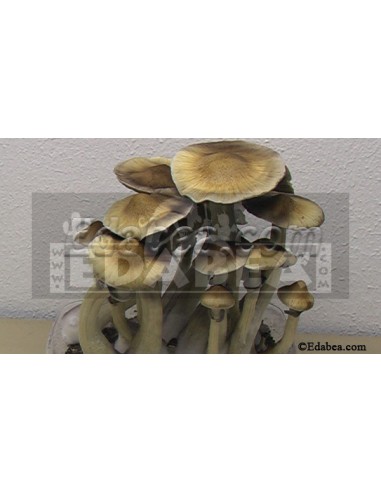
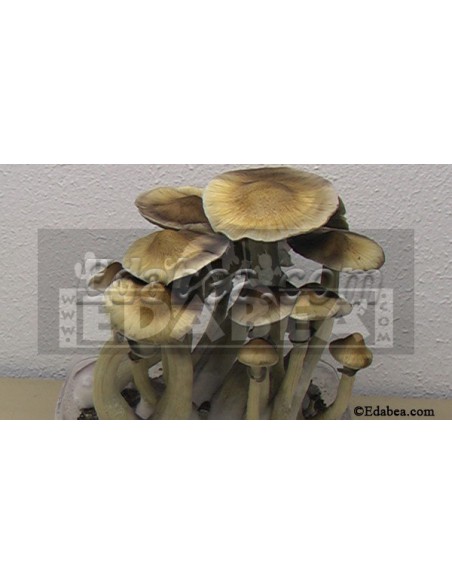
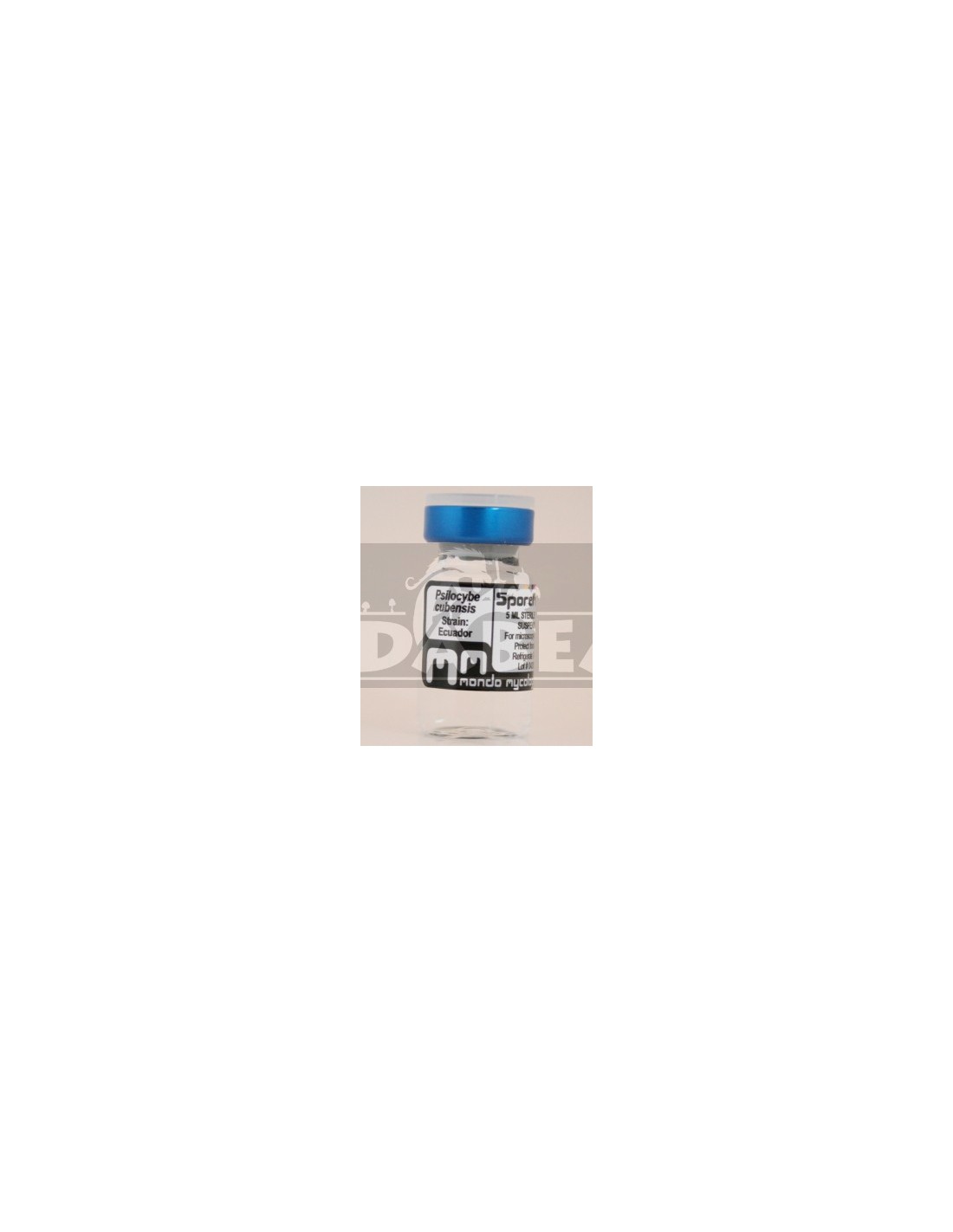
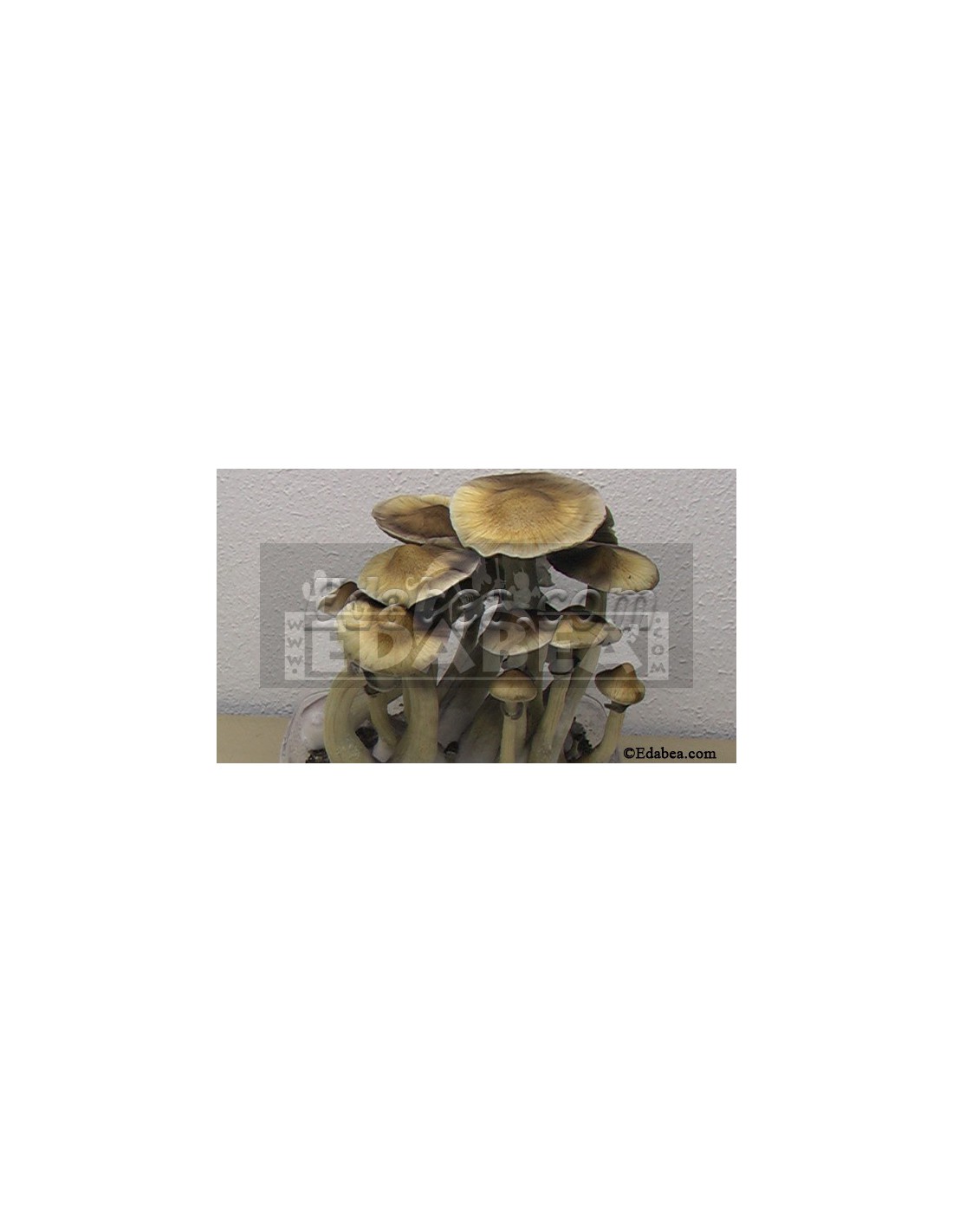
Ecuador Spore Vial 10 ml. — Psilocybe cubensis var. Ecuador. Spores in sterile aqueous solution, 10 ml vial with sterile syringe. A strain of Andean origin, isolated at approximately 1,000 meters altitude in the Ecuadorian mountain range — an unusual altitude range for P. cubensis, a species typically documented in low-altitude tropical areas. Characteristic morphology: medium-large fruiting bodies, robust stems, and a cap with a pronounced umbo. Collection and mycological research material.
Ratings and comments from our customers
Ecuador Spore Vial 10 ml
The Ecuador spore vial contains a sterile aqueous suspension of Psilocybe cubensis var. Ecuador in a 10 ml vial with a sterile syringe. This variety is named after its origin — the Ecuadorian Andes — and presents a morphological profile distinct from other varieties in the catalog, with fruiting bodies that are noticeably more robust than the average of the species.
Geographical Origin: Ecuadorian Andes at 1,000 meters
Psilocybe cubensis is predominantly a tropical and low-altitude species, usually documented in humid areas below 500 meters above sea level in soil rich in organic matter. The Ecuador variety was isolated at approximately 1,000 meters altitude in the Ecuadorian Andes — a significantly higher altitude range for the species, implying lower average temperature conditions and greater daily thermal amplitude than typical distribution areas.
This Andean medium-altitude origin is one of the most distinctive elements of the variety from a biogeographic perspective, setting Ecuador apart from virtually all other P. cubensis varieties available in mycological collection markets, which predominantly come from low-altitude tropical areas in Central America, the Caribbean, and Southeast Asia.
Documented Morphological Characteristics
The Ecuador variety presents a set of recognizable morphological characteristics:
- Medium-large fruiting bodies — robust caps that are significantly wider than those of varieties such as Costa Rica or Cambodian.
- Pronounced umbo — constant presence of a central umbo (conical protuberance on the cap) characteristic of this variety, observable even in mature specimens.
- Robust and dense stems — stipe with larger diameter and consistency than the average of the species, with characteristic white coloration.
- Medium colonization rate — lower substrate colonization speed than fast varieties like Cambodian, offset by regularity and consistency in production between batches.
- Predictable production — successive flushes exhibit consistent morphology and size, with less variability between flushes than other varieties of the species.
Vial Characteristics
The vial contains spores of Psilocybe cubensis var. Ecuador in sterile aqueous suspension (10 ml) with an included sterile syringe. The spores of P. cubensis are ellipsoid, thick-walled, with a purplish-brown color visible from 400x magnification — standard spore morphology for the species, with no significant differentiation between varieties at the microscopic level.
To view the complete catalog of available varieties, visit the Edabea spore section.
Storage
Store in the refrigerator between 2 °C and 8 °C, protected from direct light. Do not freeze. Under appropriate conditions, spores maintain their viability for months. Avoid sudden temperature changes between uses.
Legal Situation
The legal status of Psilocybe cubensis spores varies by jurisdiction. In many countries, spores — which do not contain psilocybin or psilocin — are not subject to the same regulations as mycelium or fruiting bodies. It is the buyer's responsibility to verify applicable regulations in their area of residence before placing an order. This product is marketed exclusively as mycological collection and research material.
Frequently Asked Questions
Why is the Andean origin of the Ecuador variety unusual?
Psilocybe cubensis is a pantropical species typically documented below 500 meters above sea level. The isolation of a specimen at 1,000 meters altitude in the Ecuadorian Andes represents a significantly higher altitude range, implying different environmental conditions — lower average temperature, greater daily thermal amplitude, and different humidity regimes. This origin is one of the factors that distinguishes the Ecuador variety within the catalog of available P. cubensis collections.
What is an umbo and how is it recognized in the Ecuador variety?
The umbo is a conical or papilla-like protuberance in the center of the cap, a characteristic morphology present in several species of the Psilocybe genus. In the Ecuador variety, the umbo is marked and persistent — visible even in specimens with fully extended caps, unlike other varieties where it may flatten or disappear upon maturity. It is one of the most consistent visual identification traits of this variety.
How does the Ecuador variety differ from the Costa Rica variety in the catalog?
They are varieties with opposing morphological profiles within the catalog. Costa Rica produces small fruiting bodies in large quantities with variable multi-flush behavior. Ecuador produces larger fruiting bodies with a more robust structure, with more predictable and consistent production between flushes. The geographical origin also distinguishes them: Costa Rica comes from a low-altitude tropical area; Ecuador from an Andean area at 1,000 meters.
Do the spores contain psilocybin?
No. Psilocybe cubensis spores do not contain psilocybin or psilocin — these compounds are synthesized during the development of mycelium and fruiting bodies, not in latent spores. This distinction is relevant from a legal standpoint in many jurisdictions where regulation affects active mycelium and fruiting bodies but not spores.
Data sheet prepared by the specialized team at Edabea Natura. Information based on reference mycological bibliography. Last update: May 2026.
5 Items
Tap to zoom