Shopping Cart
There are no more items in your cart


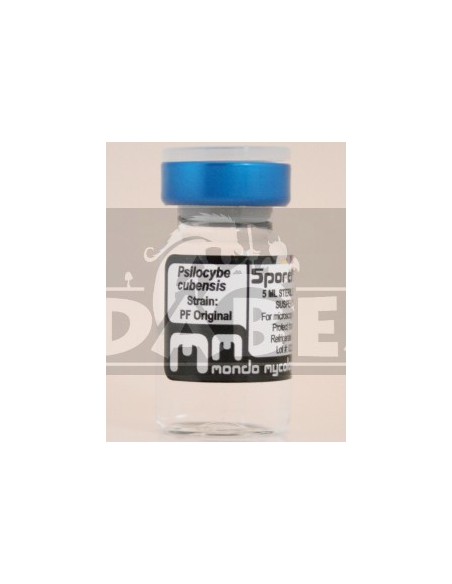
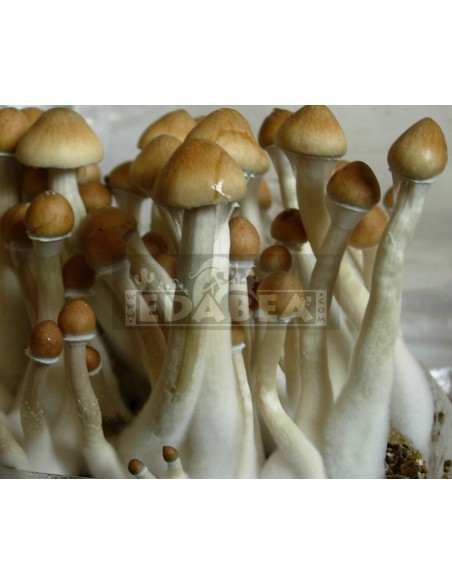

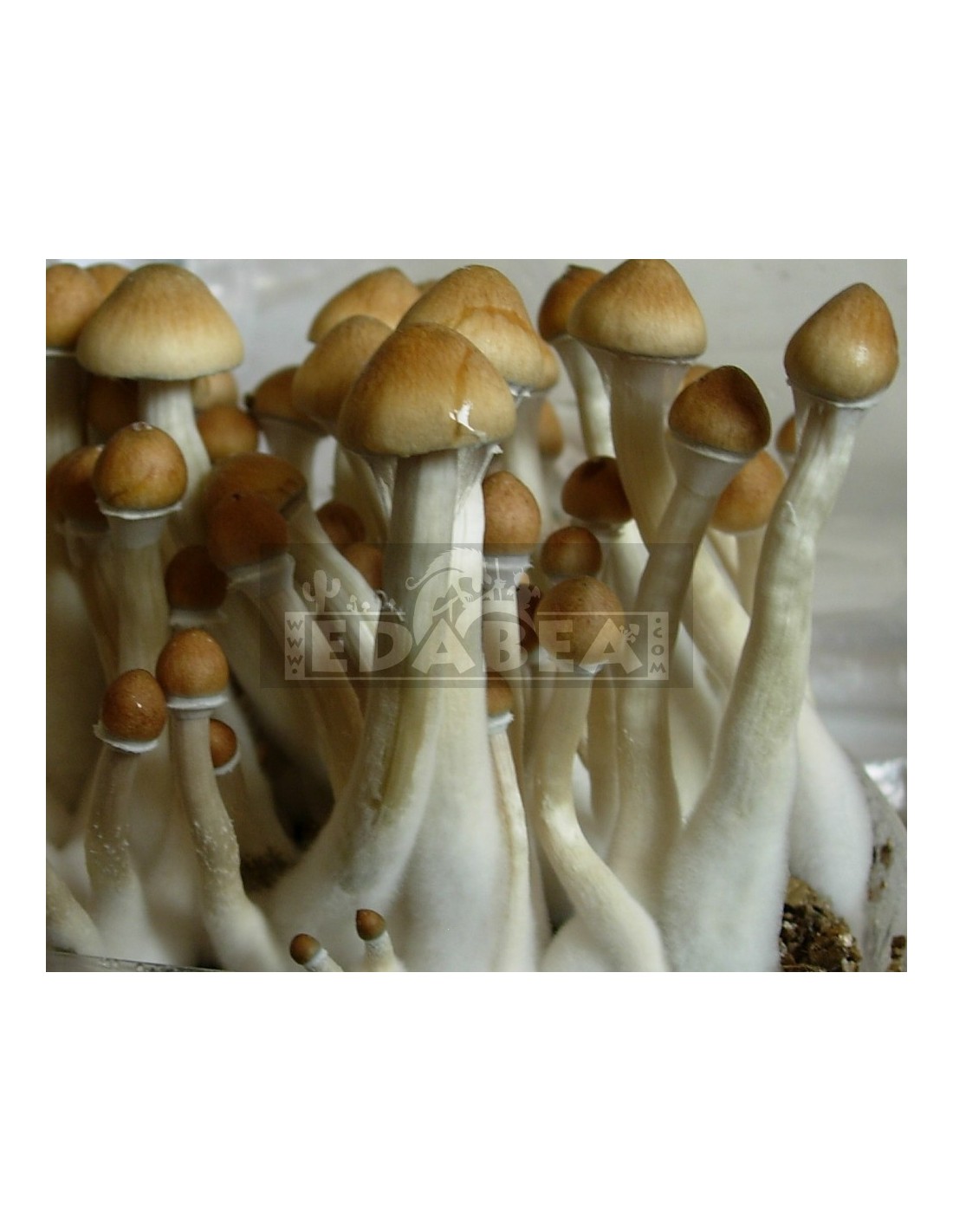
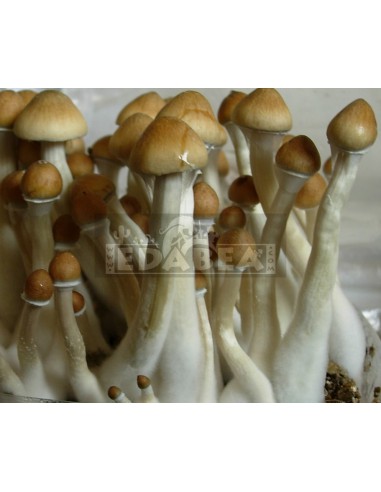
PF-Original 10 ml.
€14.50
Tax included
PF-Original Spore Vial 10 ml. Psilocybe cubensis var. PF-Original. Spores in a sterile aqueous solution, 10 ml vial with sterile syringe. PF refers to "Psilocybe Fanaticus", the online name of Robert McPherson, the American cultivator who developed this strain and the PF Tek technique in the early 90s, one of the most influential domestic mycology cultivation methodologies of the 20th century. Characteristic viscous mycelium, immediate fruiting after colonization with no latency period, and short but dense tissue fruiting. Collection and mycological research material.
PF-Original Spore Vial
The PF-Original spore vial contains a sterile aqueous suspension of Psilocybe cubensis var. PF-Original in a 10 ml vial with sterile syringe included. The name identifies both the strain developer and the cultivation methodology it was optimized for: the PF Tek technique, one of the most influential contributions to collection mycology of the 20th century.
Robert McPherson and the PF Tek
The initials PF refer to "Psilocybe Fanaticus", the online name of Robert McPherson, an American cultivator active in the early years of the online collection mycology community. In the early 90s, McPherson developed and published online a cultivation methodology known as PF Tek (Psilocybe Fanaticus Technique), which described a method of inoculating P. cubensis in small glass jars using a substrate of brown rice flour (BRF) and vermiculite, with the spore syringe as a direct inoculation tool.
The PF Tek significantly democratized mycological cultivation: before its publication, most documented cultivation methodologies required laboratory equipment or advanced technical knowledge. McPherson's method, accessible and reproducible with household materials, became the starting point for the vast majority of amateur P. cubensis cultivators in Europe and America from the 90s to today, and remains a reference methodology in popular mycological cultivation literature.
The PF-Original is the strain with which McPherson developed and documented his technique, specifically optimized for the conditions and characteristics of the BRF with vermiculite substrate, making it the historical reference variety of the PF Tek.
Documented Morphological and Physiological Characteristics
- Viscous mycelium: the variety produces a notably viscous and dense mycelium, a recognizable visual characteristic that distinguishes it from other varieties in the catalog during the colonization phase.
- Immediate fruiting without a latency period: the PF-Original begins producing fruiting bodies immediately after completing substrate colonization, without the latency period or "rest period" typical in other varieties. The time between successive flushes is also reduced.
- Short fruiting bodies with high tissue density: caps and stems are shorter than varieties like B+ or PES Amazonian, but with significantly denser and solid tissue. This density is maintained after drying, with superior retention of original volume and shape compared to the average of the species.
- Optimal compatibility with BRF: the strain was specifically developed for this substrate and shows its best morphological performance in brown rice flour with vermiculite.
- Occasional production of albino variants: like the Treasure Coast variety, the PF-Original can spontaneously generate specimens with reduced pigmentation in some flushes.
Vial Characteristics
The vial contains spores of Psilocybe cubensis var. PF-Original in a sterile aqueous suspension (10 ml) with sterile syringe included. Elongated spores with thick walls and the standard brown-purple coloration of the species, visible from 400x magnification.
To consult the complete catalog of available varieties, visit the Edabea Spores Section.
Storage
Store in a refrigerator between 2 °C and 8 °C, protected from direct light. Do not freeze. Under proper conditions, the spores maintain viability for months. Avoid sudden temperature changes between uses.
Legal Situation
The legal status of Psilocybe cubensis spores varies by jurisdiction. In many countries spores, which contain neither psilocybin nor psilocin, are not subject to the same regulations as mycelium or fruiting bodies. It is the buyer's responsibility to verify applicable regulations in their place of residence before ordering. This product is marketed exclusively as mycological collection material and research.
Frequently Asked Questions
What is PF Tek and why was it so influential?
PF Tek is a cultivation methodology for Psilocybe cubensis developed by Robert McPherson in the early 90s and published online under his name "Psilocybe Fanaticus". The method uses small glass jars with a simple substrate of brown rice flour (BRF) and vermiculite, inoculated directly with a spore syringe. Its accessibility, reproducibility, and low material costs made it the reference method for amateur cultivators worldwide for decades. The PF-Original is the strain with which McPherson documented and optimized the technique.
Why does the PF-Original have no latency period after colonization?
The latency period between complete substrate colonization and the onset of fruiting varies among varieties of P. cubensis and may be related to genetic factors specific to each strain, as well as environmental conditions. The PF-Original is documented to begin fruiting immediately after completing colonization, without that waiting period. This characteristic was considered a practical advantage in the context of PF Tek, which used small-volume substrates where precise control of the timing of fruiting is relevant.
What does it mean for the mycelium to be "viscous"?
The viscosity of the mycelium during colonization refers to the dense and sticky texture exhibited by the mycelial tissue of this variety, visible when handling the colonized substrate. It is a recognizable organoleptic characteristic that distinguishes it from varieties with drier and airier mycelium. The exact cause is not fully characterized in the mycological literature, but it may be related to the production of extracellular polysaccharides by the mycelium of this strain.
Do the spores contain psilocybin?
No. Psilocybe cubensis spores do not contain psilocybin or psilocin. These compounds are synthesized during the development of mycelium and fruiting bodies, not in the dormant spores. This distinction is relevant in many jurisdictions where regulation affects active mycelium and fruiting bodies but not spores.
Information provided by the specialized team at Edabea Natura. Information based on reference mycological literature. Last updated: May 2026.
5 Items
Tap to zoom