Shopping Cart
There are no more items in your cart


Ban Hua Thai 10 ml.
Last items in stock
€14.50
Tax included
Ban Hua Thai Spore Vial 10 ml. â Psilocybe cubensis var. Ban Hua Thai. Spores in sterile aqueous solution, 10 ml vial with sterile syringe. Strain of Thai origin, isolated in the Ban Hua Thanon area â sub-district of Koh Samui island, Surat Thani province. Distinct morphology: orange-colored cap in young specimens, unusual within P. cubensis, which turns progressively with maturity. White gills with gradual darkening and well-defined white veil. Material for collection and mycological research.
Ratings and comments from our customers
Ban Hua Thai Spore Vial
The Ban Hua Thai spore vial contains a sterile aqueous suspension of Psilocybe cubensis var. Ban Hua Thai in a 10 ml vial with an included sterile syringe. The name refers to Ban Hua Thanon, a sub-district of Koh Samui island in Surat Thani province, Thailand â the specific geographic location where this strain was documented. It is one of the Thai varieties of P. cubensis with the most precise geographic origin in the European collection catalog.
Geographic Origin â Koh Samui, Thailand
Ban Hua Thanon is a sub-district located on the southern coast of Koh Samui, Thailand's third largest island, in the Gulf of Thailand. Koh Samui has a humid tropical climate with high temperatures and abundant rainfall for much of the year â optimal conditions for the presence of Psilocybe cubensis in soils rich in animal organic matter.
Thailand is one of the Southeast Asian countries where the presence of P. cubensis has been documented in detail. Ethnomycologist John W. Allen â the same who isolated the Cambodian variety in Angkor Wat â made several documentation trips to Thailand, including Koh Samui island, and contributed to the cataloging of various Thai strains of P. cubensis during the 90s. The environment around Ban Hua Thanon is one of the referenced locations in that fieldwork.
Documented Morphological Characteristics
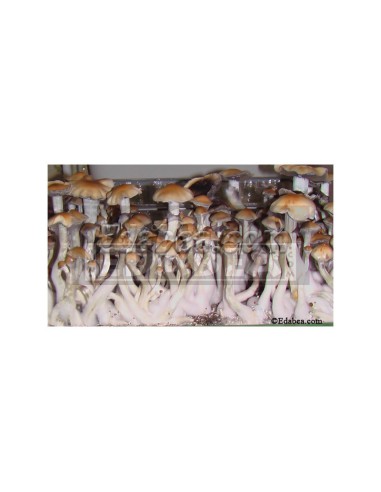
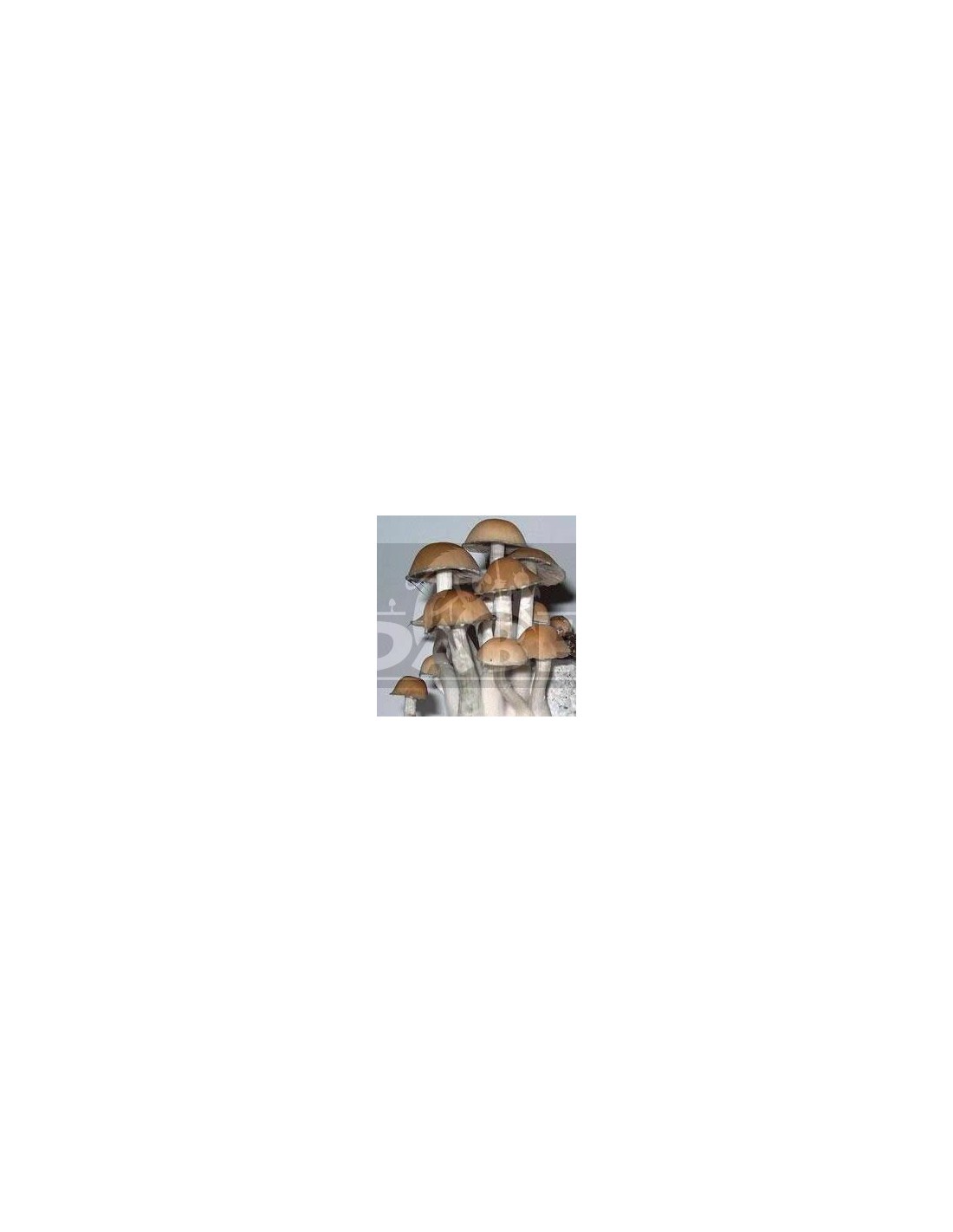
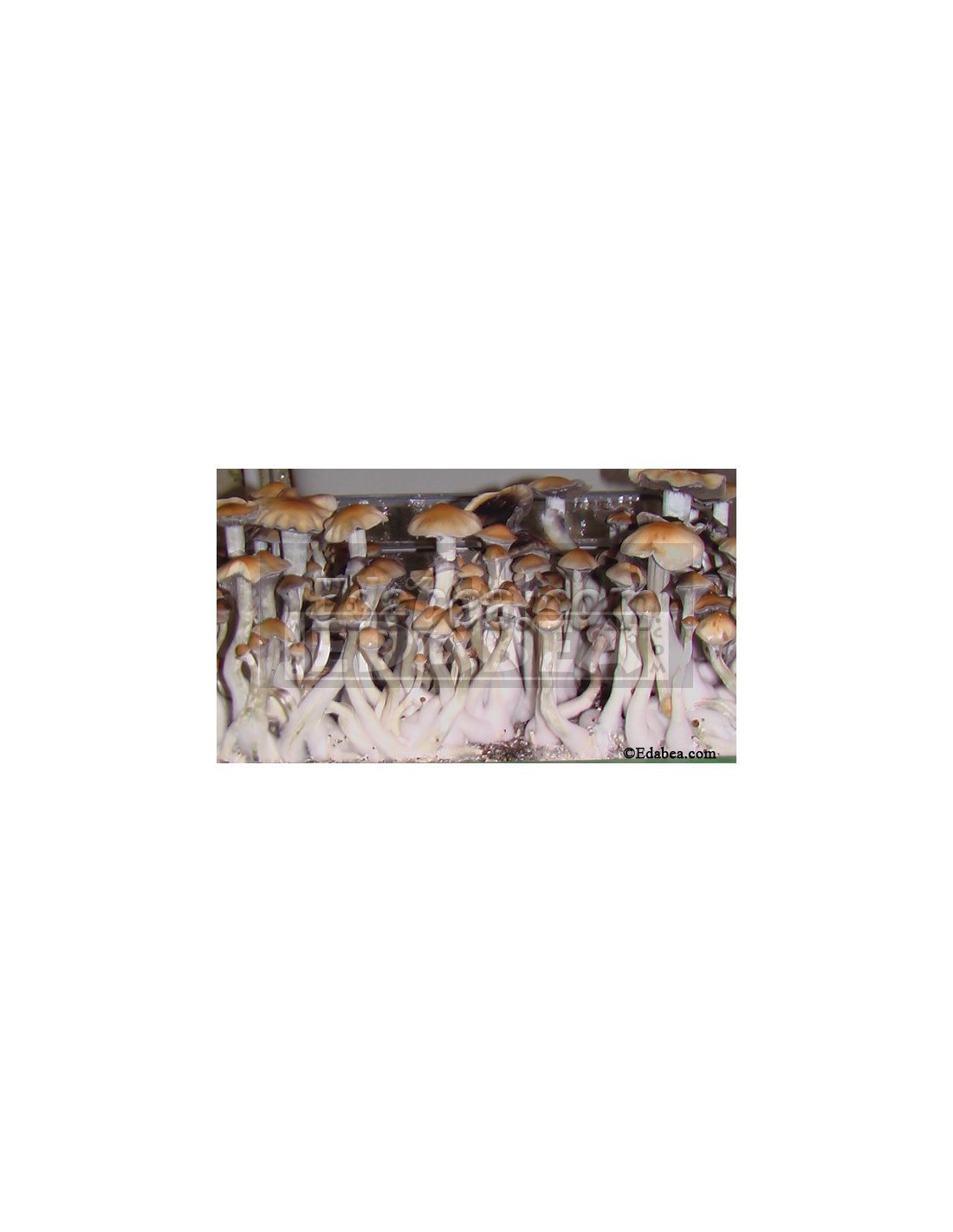
- Orange cap in young phase â orange coloration of the cap in young specimens with an initial diameter of approximately 10 mm. This orange hue is unusual within P. cubensis, where most varieties present caramel, brown, or golden caps from early stages. It darkens with maturity.
- Thin stem with slightly widened base â narrower stipe compared to varieties like PES Amazonian or Orissa India, with characteristic widening towards the base.
- White gills with gradual darkening â the gills start off white in young specimens and darken progressively with maturity, with a well-defined white veil.
- Abundant production â multiple fruitings tend to be larger in later flushes than the first.
- Medium colonization speed â standard colonization rate within the species, not as fast as Cambodian nor as slow as Mazatapec.
Vial Characteristics
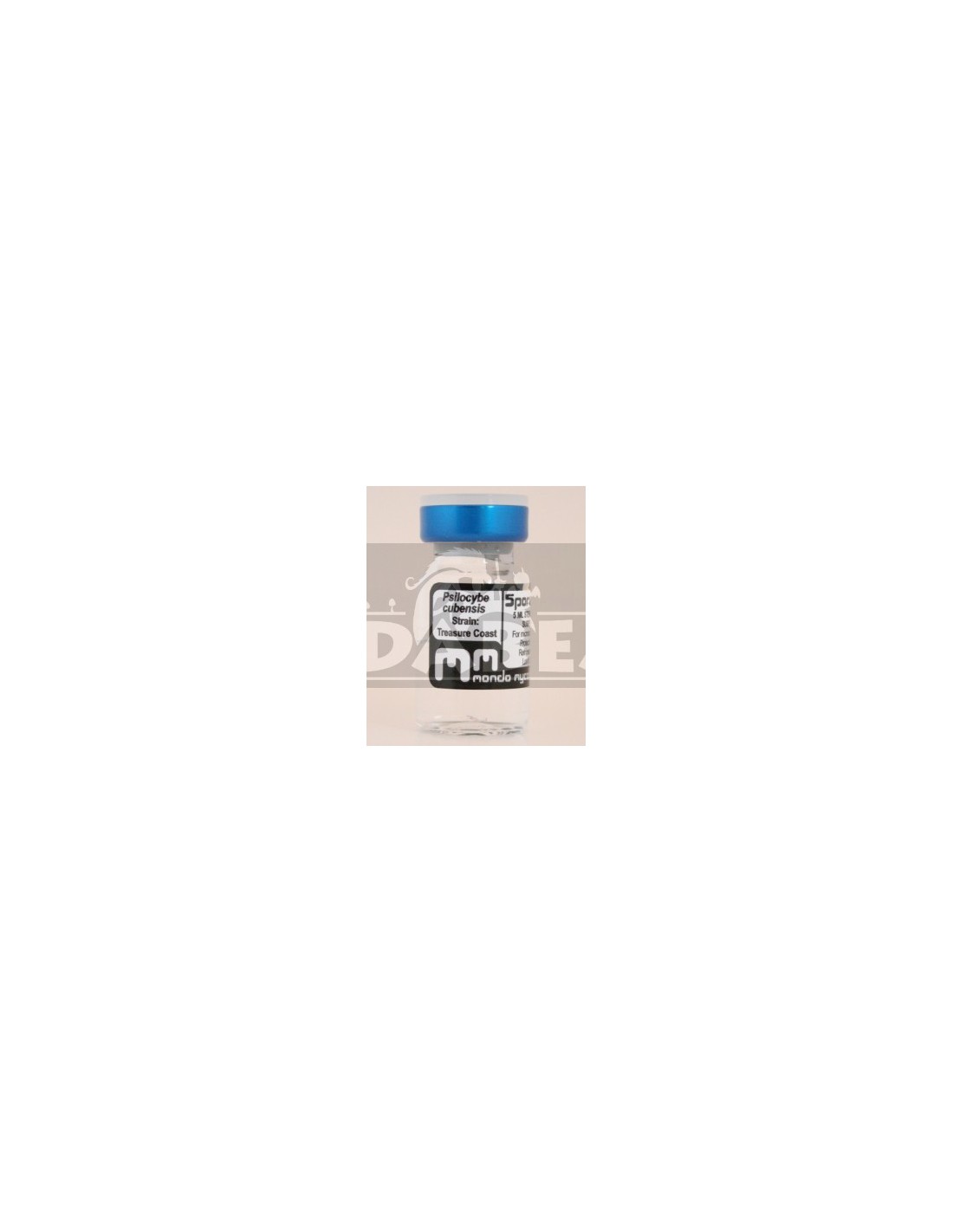
The vial contains spores of Psilocybe cubensis var. Ban Hua Thai in sterile aqueous suspension (10 ml) with included sterile syringe. Elipsoid spores with thick walls, standard brown-purple color of the species, visible from 400x magnification.
For the complete catalog of available varieties, visit the spore section of Edabea.
Storage
Store in the refrigerator between 2 °C and 8 °C, protected from direct light. Do not freeze. Under appropriate conditions, spores maintain viability for months. Avoid sudden temperature changes between uses.
Legal Situation
The legal situation of Psilocybe cubensis spores varies by jurisdiction. In many countries, spores â which do not contain psilocybin or psilocin â are not subject to the same regulation as mycelium or fruiting bodies. It is the buyer's responsibility to verify applicable regulations in their residence before placing an order. This product is marketed exclusively as mycological collection and research material.
Frequently Asked Questions
Why is the cap of the Ban Hua Thai orange instead of brown like other varieties?
The color of the cap in Psilocybe cubensis is determined by the concentration and composition of pigments in the tissue of the pileus, which varies between varieties due to genetic factors. The orange hue of the Ban Hua Thai in young specimens is one of its most distinctive morphological traits â most varieties of the species present cap colors of caramel, brown, or gold from early developmental stages. This color changes with maturity, making the observation at different stages a visually interesting documentation task.
Does the Ban Hua Thai relate to John Allen's work in Thailand?
John W. Allen conducted fieldwork in Koh Samui and other Thai localities during the 90s, documenting the presence of P. cubensis on the island and contributing to the cataloging of several Thai strains. Ban Hua Thanon is one of the Koh Samui enclaves referenced in that documentation context. Allen is also the gatherer of the Cambodian variety in Edabea's catalog, isolated in Angkor Wat during the same period of work in Southeast Asia.
How does Ban Hua Thai differ from other Asian varieties in the catalog?
The catalog includes three documented Asian varieties: Cambodian (Angkor Wat, Cambodia), Orissa India (Odisha, India), and Ban Hua Thai (Koh Samui, Thailand). The Cambodian stands out for its in-vitro fruiting and high colonization speed. The Orissa India for its exceptional fruiting size, especially in later flushes. The Ban Hua Thai is the only one of the three with orange coloration in the young phase, a thinner stem, and abundant production concentrated in number rather than in individual size.
Do the spores contain psilocybin?
No. The spores of Psilocybe cubensis do not contain psilocybin or psilocin. These compounds are synthesized during the development of mycelium and fruiting bodies, not in the spores in their dormant state. This distinction is relevant in many jurisdictions where regulation affects active mycelium and fruiting bodies but not spores.
Information prepared by the specialized team at Edabea Natura. Information based on reference mycological bibliography. Last update: May 2026.
1 Item
Tap to zoom