Shopping Cart
There are no more items in your cart

Poppy Seeds
available
€6.60
Tax included
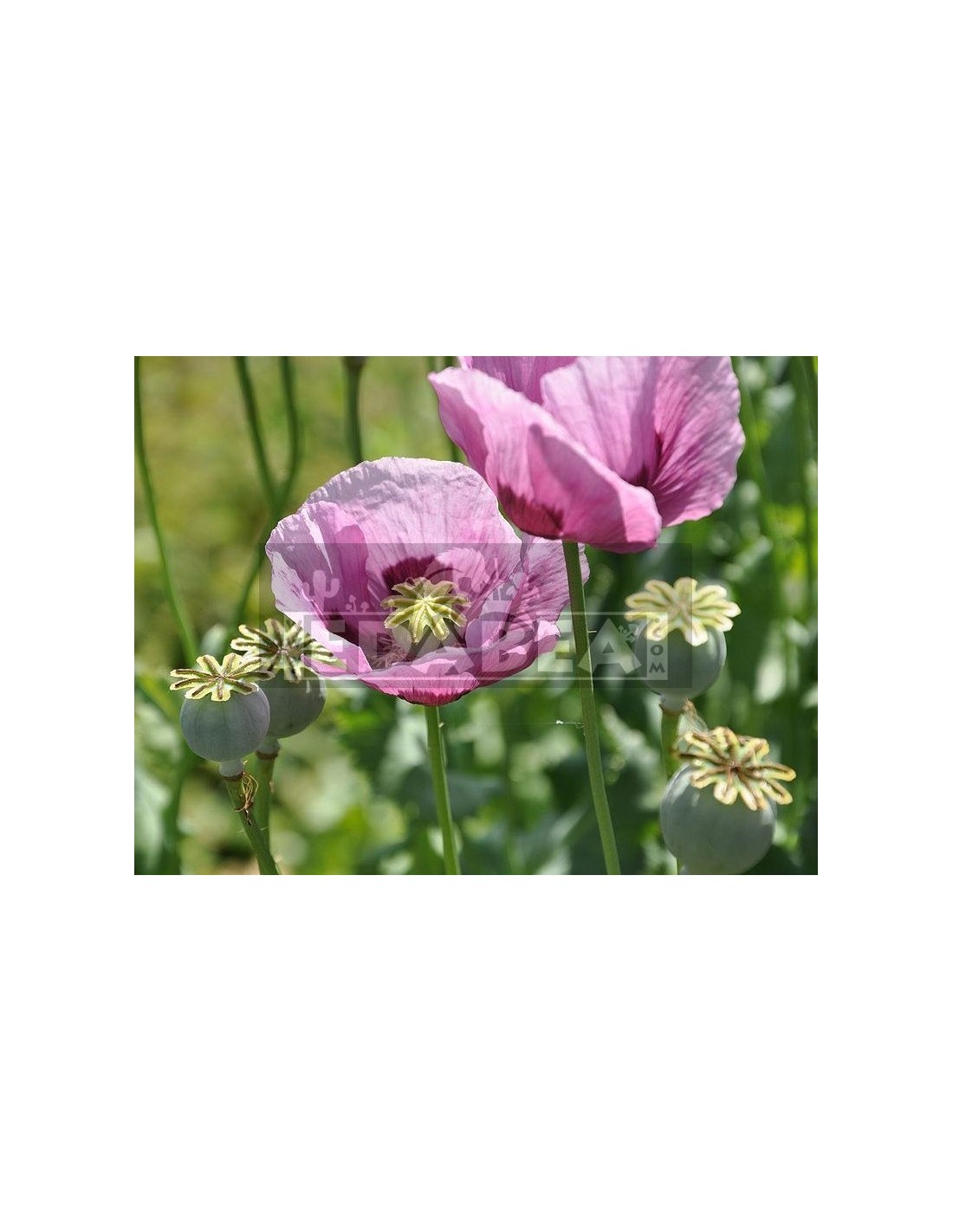
Poppy Seeds (Papaver somniferum) variety Lilac Single. Available in packages of 5 g, 25 g and 100 g. Ornamental poppy with summer blooming, featuring light lilac petals and a darker center, silver-shiny pods, growing up to 100 cm tall. Botanical collection material and ornamental cultivation. Small-scale cultivation for ornamental purposes is legal in U.K.
What is the Lilac Single Poppy?
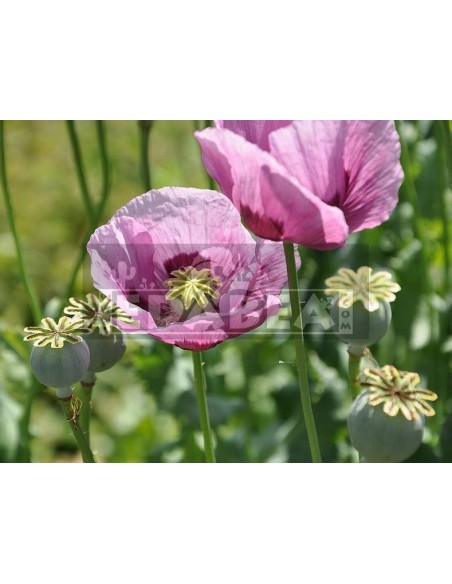
The poppy seeds we offer belong to Papaver somniferum in the Lilac Single variety, a single-flower poppy especially valued in ornamental gardening for its distinctive coloration. It has light lilac petals with a darker center and seed pods with a striking silver sheen. The plant can reach up to 100 cm in height under optimal growing conditions.
Botanical Description
Papaver somniferum is an annual herbaceous plant belonging to the Papaveraceae family. It is native to southeastern Europe and Western Asia, although it has spread throughout Europe and Asia, both in cultivation and the wild. It germinates in fall or spring, blooms in summer, and disperses its seeds in autumn, completing its annual cycle.
Its flowers vary in color from white to purple, through shades of red and pink, depending on the variety. The Lilac Single variety is distinguished within the genus by its light lilac petals and the simple shape of its petals, setting it apart from common double or peony-flowered varieties in gardening.
The seeds of Papaver somniferum have a well-documented use in food — poppy seed oil, baking, and pastry — and do not contain the alkaloids found in other parts of the mature plant.
History and Ethnobotanical Context
The poppy has one of the longest historical backgrounds in Mediterranean botany. Its cultivation has been documented since the Neolithic in Central Europe, and its presence in Ancient Egypt, Greece, and Rome is well-recorded in archaeological sources and classical texts. In Greek culture, it is associated with Demeter and Morpheus, and in Hippocratic medicine, it appears in the early records of therapeutic plant usage in the West.
Throughout history, it has been cultivated for ornamental, food, and medicinal purposes in almost all Mediterranean and Asian cultures. Today, small-scale ornamental cultivation is a common practice in European gardening.
Ornamental Cultivation
The poppy is relatively easy to grow outdoors. It prefers cool climates and well-drained soils. These are the reference conditions for ornamental cultivation:
- Soil: loose, nutritious, and well-drained. A mixture of peat and river sand is suitable. Avoid beach sand due to its salt content.
- Temperature: grows best in cool temperatures, between 5 and 10 °C. It tolerates light frosts but does not survive them in the seedling stage.
- Sowing: in the Mediterranean area, in October or November; in the rest of the Iberian Peninsula, at the end of winter or early spring. Direct sowing in the ground, without transplanting.
- Watering: keep the substrate moist but not waterlogged. Water with chlorine-free water in the early stages. Gradually reduce watering as the plant grows.
- Germination: between 1 and 2 weeks under optimal conditions.
- Light: avoid direct sunlight exposure in the early stages. Once established, it tolerates sunlight well.
- Fertilizing: moderate, once a month during the growth phase.
- Thinning: if many plants germinate, leave only the most vigorous ones spaced about 20 cm apart.
Container Cultivation
For container growing, it is recommended to use pots of at least 25 × 25 cm. Place a 2 cm layer of gravel on the bottom to promote drainage and use a substrate comprising universal substrate (50%), chestnut soil (20%), and sand with perlite (30%). Moisten the substrate before sowing.
Legal Aspects
Ornamental cultivation of Papaver somniferum on a small scale is legal in Spain. The seeds are not subject to restrictions in most EU countries. However, regulations may vary depending on jurisdiction and the scale of cultivation. It is the buyer's responsibility to check the applicable legislation in their area of residence.
This product is marketed exclusively as botanical collection material and ornamental cultivation.
Frequently Asked Questions
What formats are the seeds available in?
The Lilac Single variety poppy seeds are available in packages of 5 g, 25 g, and 100 g. The seeds of Papaver somniferum are very small — one gram contains several hundred seeds — so even the 5 g format represents a generous amount for ornamental sowing.
Is it legal to grow poppies in Spain?
Yes. Small-scale ornamental cultivation of Papaver somniferum is legal in Spain. The seeds are not restricted in most EU countries. It is recommended to check local regulations before purchasing them.
When is the best time to sow poppy seeds?
In the Mediterranean area, between October and November. In the rest of the Iberian Peninsula, at the end of winter or early spring, after the last frost. Sow directly in the ground, without prior transplanting.
How long does it take for poppies to germinate?
Under optimal temperature and moisture conditions, between 1 and 2 weeks.
What distinguishes the Lilac Single variety from other varieties?
The Lilac Single variety is recognized for its simple lilac petals with a darker center and seed pods with a silver sheen. Unlike double-flower or peony varieties, it presents a more open floral morphology that is recognizable as a classic poppy.
BA
29 Items
Tap to zoom