Shopping Cart
There are no more items in your cart

Cebil Seeds
available
€7.00
Tax included
Cebil Seeds (Anadenanthera colubrina) — available in packages of 5 g and 25 g. A South American tree found in Andean and subtropical regions with one of the most documented ethnobotanical histories in South America. Its use in pre-Hispanic ceremonial contexts is recorded in anthropological and archaeological literature from northwestern Argentina to the Amazon. Botanical collection material and ethnobotanical research.
Ratings and comments from our customers
What is Cebil
The Cebil, also known as Curupay, is the common name for Anadenanthera colubrina, a medium to large tree belonging to the Fabaceae family. Its generic name, Anadenanthera, means in Greek "without glands in the anthers," referring to a morphological characteristic of its flowers. It is native to South America, with a natural distribution in Peru, Brazil, Bolivia, Paraguay, northern Argentina, and adjacent subtropical regions.
Its seeds are the most studied part from an ethnobotanical and phytochemical standpoint and contain tryptamines — primarily bufotenin — compounds documented in specialized scientific literature.
Botanical Description
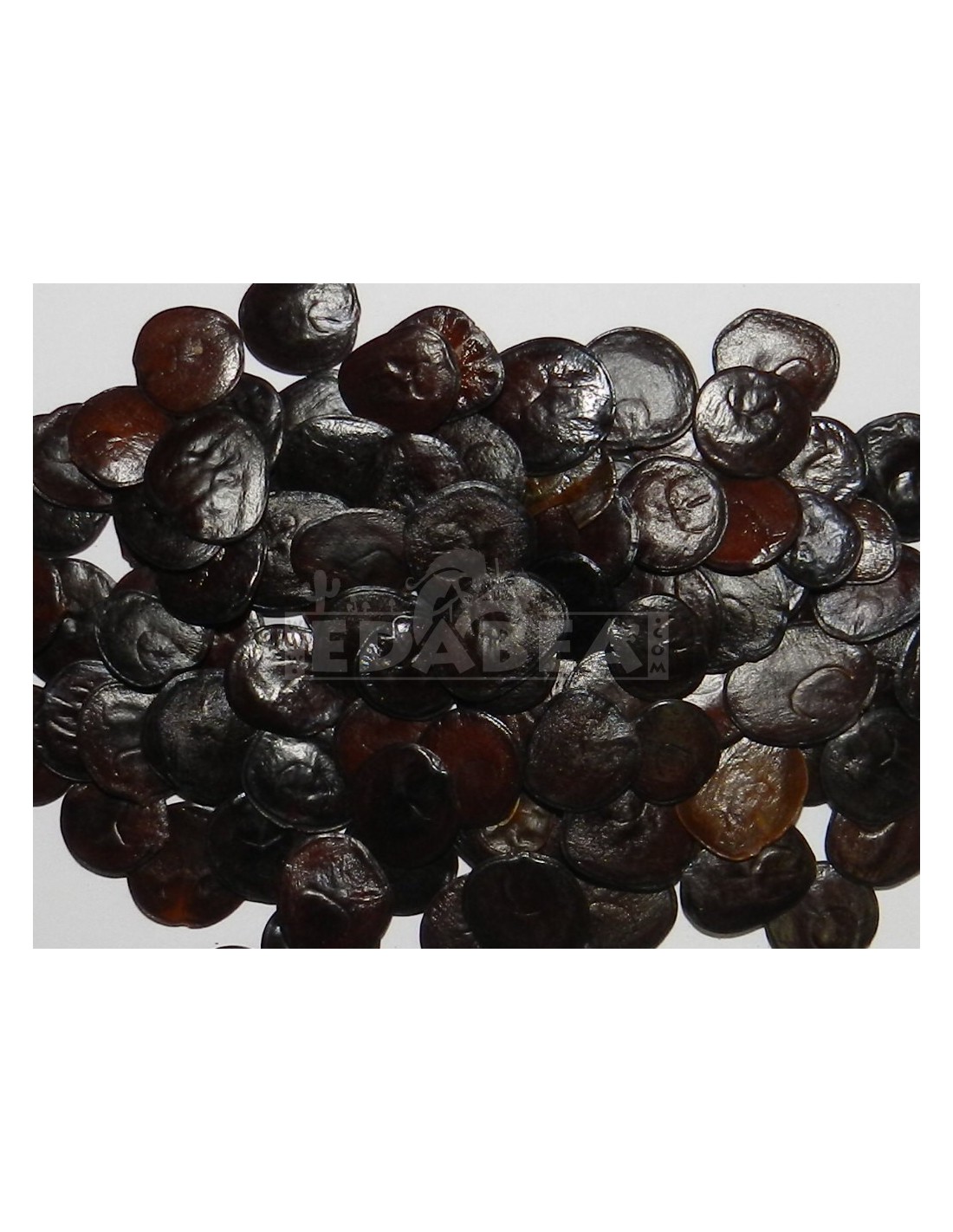
Anadenanthera colubrina is a deciduous tree that can reach heights of 5 to 20 meters in its natural habitat. It has dark bark with characteristic thorns, bipinnate leaves composed of numerous small leaflets, and flowers grouped in spherical heads of whitish-yellow color. Its fruits are flattened, curved pods containing 8 to 15 dark brown, smooth, and glossy seeds.
It prefers to grow in tropical and subtropical climates, in dry forests and formations of the South American Chaco. It is a relatively fast-growing species and is also important in the regional timber industry due to the quality of its wood.
Ethnobotanical Context
The Cebil has one of the most documented ethnobotanical histories in South America. Its use in ceremonial contexts has been recorded since pre-Hispanic times across a wide geographical range from northwestern Argentina to western Amazonia.
In the Andean region of northwestern Argentina, the use of Cebil in religious and shamanic practices is archaeologically documented through the discovery of charred seeds, snuff tablets, and inhalation tubes in sites of pre-Incan cultures in the current provinces of Jujuy and Salta, with datings exceeding 2,000 years.
The Guarani peoples of Paraguay and northern Argentina used the powder obtained from the seeds — known as kurupa or curupay — in ritual contexts documented by colonial chroniclers and ethnographers of the 19th and 20th centuries. This practice is part of the ethnobotanical record of South America widely cited in specialized academic literature.
Anadenanthera colubrina is closely related to Anadenanthera peregrina (Yopo), a species that shares a similar phytochemical profile and a parallel ethnobotanical history in different regions of South America.
Format and Presentation
Cebil seeds are available in packages of 5 g and 25 g. At Edabea, we select the material based on its quality and authenticity as ethnobotanical reference.
Storage
Store in a cool, dry place protected from direct light, in a tightly closed container. Under these conditions, the seeds maintain their stability for an extended period.
Legal Aspects
The seeds of Anadenanthera colubrina are not included in the lists of controlled substances in Spain or in most European Union countries. However, the legal status may vary by jurisdiction. It is the buyer's responsibility to inquire about the applicable regulations in their place of residence before placing any order.
This product is sold exclusively as botanical collection material and ethnobotanical research.
Frequently Asked Questions
What is the difference between Cebil and Yopo?
Anadenanthera colubrina (Cebil) and Anadenanthera peregrina (Yopo) are two species of the same genus with similar phytochemical profiles and parallel ethnobotanical histories. Cebil has a stronger presence in the traditions of northwestern Argentina and the Andean region, while Yopo is more associated with the cultures of the Orinoco and the Caribbean.
What is the geographical origin of Cebil?
It is native to South America, with a natural distribution in Peru, Brazil, Bolivia, Paraguay, and northern Argentina. It prefers to grow in tropical and subtropical climates, in dry forests and formations of the South American Chaco.
In what formats are the seeds available?
Cebil seeds are available in packages of 5 g and 25 g.
Is it legal to buy Cebil seeds in Spain?
Yes. The seeds of Anadenanthera colubrina are not included in the lists of controlled substances in Spain or in most European Union countries. It is recommended to verify local regulations before purchasing.
BA
12 Items
Tap to zoom