Shopping Cart
There are no more items in your cart

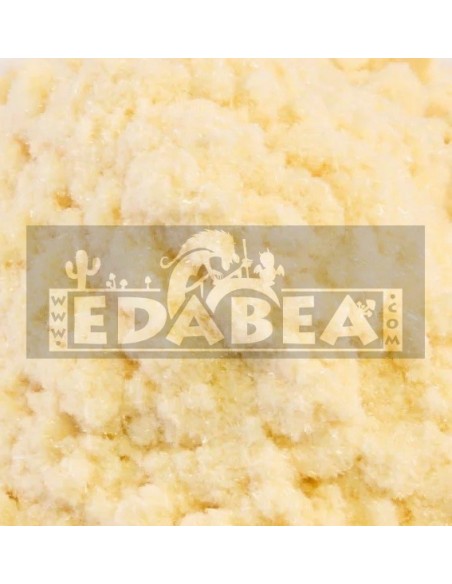
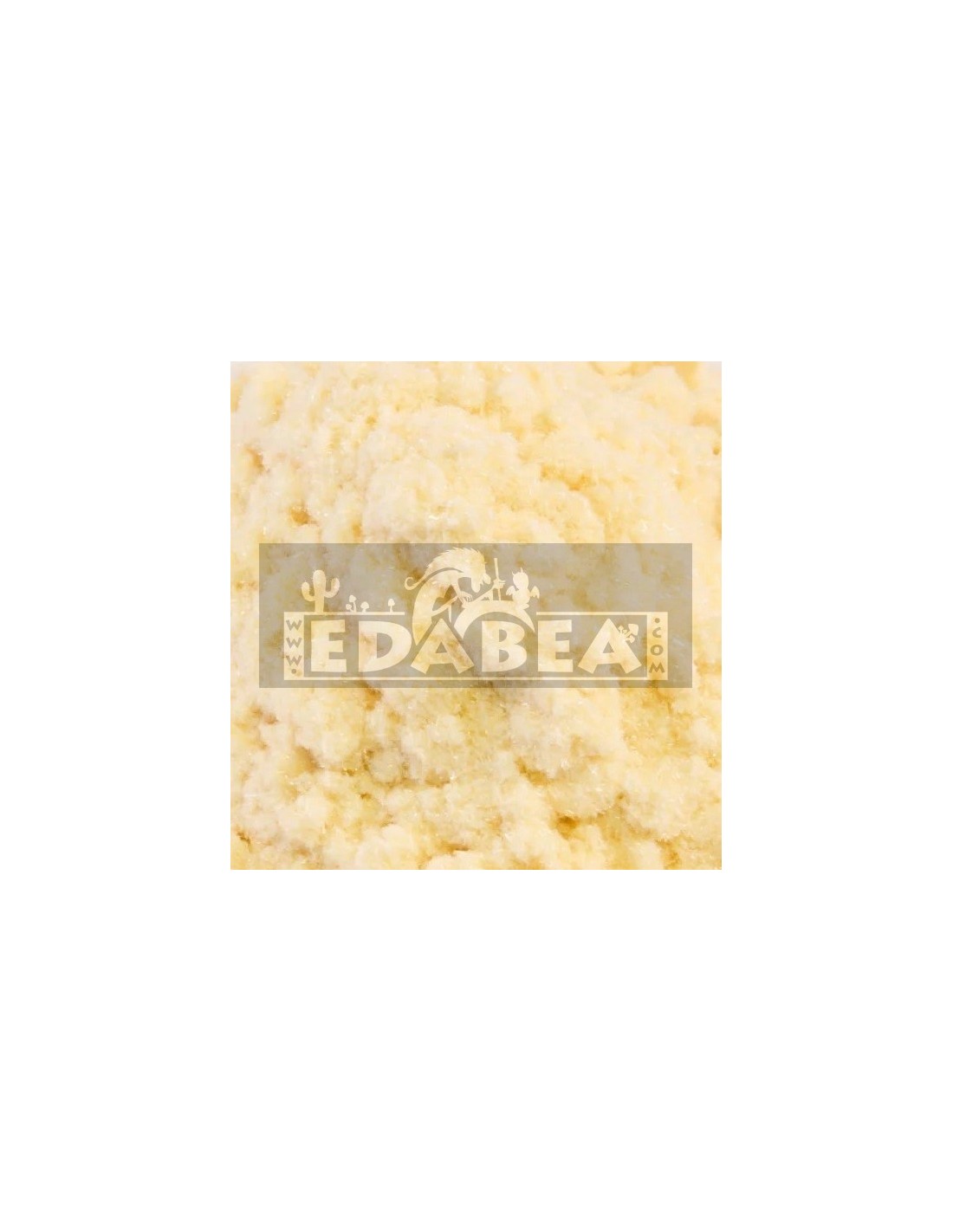
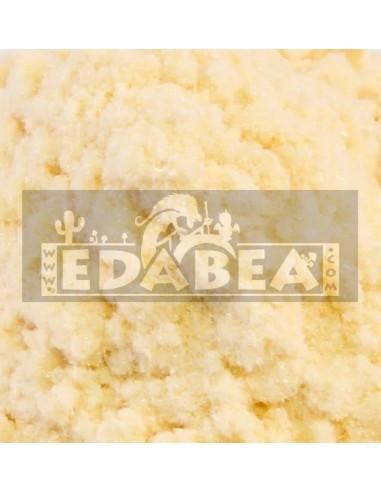
Harmala HCL
€17.95
Tax included
Harmala HCl is a purified extract of Peganum harmala seeds in hydrochloride form. According to the supplier's specification: 47% harmine / 53% harmaline, with no presence of vasicine or vasicinone. Available in crystalline salt form soluble in water. Offered in 1 g and 10 g. Selected by the Edabea team, with over 15 years of expertise in ethnobotany. For phytochemical research and botanical collection.
Harmala HCl — Purified Extract of Peganum harmala | 1 g and 10 g
The Harmala HCl is the hydrochloride form of harmala alkaloids, obtained through extraction and purification of Peganum harmala seeds (Syrian rue). It is one of the most characterized forms of these alkaloids in phytochemical research, alongside Harmala Freebase. At Edabea, we offer it in two formats: 1 g and 10 g.
Composition and Purity — Supplier Specification
According to the specification declared by the supplier, Edabea's Harmala HCl presents the following alkaloid composition:
| Alkaloid | Proportion |
|---|---|
| Harmine | 47% |
| Harmaline | 53% |
| Vasicine | Not detected |
| Vasicinone | Not detected |
To obtain 1 g of Harmala HCl, approximately 33 g of Peganum harmala seeds with a 3% alkaloid content is required—data derived from the supplier's concentration specification and consistent with documented ranges in phytochemical literature (Herraiz & Chaparro, 2006).
What is Harmala HCl and How Does it Differ from Freebase?
Harmala HCl and Harmala Freebase are two distinct chemical forms of the same harmala alkaloids. The HCl (hydrochloride) form is the salified version with hydrochloric acid—more soluble in water, with a higher boiling point and presented as crystalline salt. The Freebase (free base) is the non-salified form—less soluble in water, more soluble in organic solvents (Herraiz & Chaparro, 2006).
| Feature | Harmala HCl | Harmala Freebase |
|---|---|---|
| Chemical Form | Hydrochloride Salt | Free Base |
| Water Solubility | High | Low |
| Solubility in Organic Solvents | Low | High |
| Presentation | Crystalline Salt | Powder / Base |
| Composition (Supplier) | 47% harmine / 53% harmaline | 50% harmine / 50% harmaline |
Etnobotanical Context — Peganum harmala
Peganum harmala (Syrian rue) is a circum-Mediterranean and Central Asian plant with a documented presence in traditional medicine across multiple cultures since antiquity. Its seeds contain harmine, harmaline, and tetrahydroharmine—the same profile of beta-carboline alkaloids present in Banisteriopsis caapi—leading to its documented use as an alternative source of beta-carbolines in modern ethnobotanical literature (Ott, 1994; Herraiz & Chaparro, 2006).
In the field of ethnobotanical research, the alkaloids of P. harmala have been extensively characterized phytochemically. The monoamine oxidase inhibitor (MAOI) activity of these compounds is well documented in the scientific literature (McKenna et al., 1984; Herraiz & Chaparro, 2006).
Storage
The crystalline form of Harmala HCl is sensitive to moisture and direct light. To maintain its stability:
- Store in a well-sealed container, preferably airtight.
- Keep in a cool, dry place away from direct light.
- Avoid moisture and cross-contamination with other materials.
Frequently Asked Questions about Harmala HCl
What are harmala alkaloids?
The harmala alkaloids—harmine, harmaline, and tetrahydroharmine—are beta-carboline compounds found in various plant species, including Peganum harmala and Banisteriopsis caapi. Their monoamine oxidase inhibitor (MAOI) activity has been documented since the works of McKenna et al. (1984) and has been the subject of numerous subsequent analytical and pharmacological studies (Herraiz & Chaparro, 2006).
What is the difference between Harmala HCl and Harmala Freebase?
They are two distinct chemical forms of the same alkaloids. The HCl is the salified form—more soluble in water, crystalline presentation. The Freebase is the non-salified form—less soluble in water, more soluble in organic solvents. The difference is chemical and affects its behavior in different mediums, determining its interest for various lines of phytochemical or analytical research.
What does it mean that the composition is by "supplier specification"?
The alkaloid composition data (47% harmine / 53% harmaline, absence of vasicine and vasicinone) are declared by the supplier of the material. Edabea does not have its own lab analysis for this reference. The data are consistent with documented ranges in phytochemical literature for purified extracts of Peganum harmala (Herraiz & Chaparro, 2006), but are presented as declared specification, not as independent analytical verification.
What is the legal status of Harmala HCl?
The legal status may vary by jurisdiction. It is the buyer's responsibility to verify the applicable regulations in their place of residence. This product is sold exclusively as botanical collection material and for ethnobotanical research.
Which format is more suitable, 1 g or 10 g?
The 1 g format is suitable for collection, botanical archiving, or initial study of the material. The 10 g format is intended for researchers or collectors working with larger volumes or who need a broader batch reference for analytical or phytochemical comparisons.
About This Content
This data sheet was prepared by the specialized team at Edabea Natura, with over 15 years of experience in selecting and marketing ethnobotanical materials. The composition data comes from the supplier specification; the phytochemical and ethnobotanical information is based on the cited bibliographic sources. Last updated: April 2026. For inquiries about availability or characteristics of the current batch, contact contacto@edabea.com.
References: Herraiz, T. & Chaparro, C. (2006). Human monoamine oxidase enzyme inhibition by coffee and β-carbolines norharman and harman. Life Sciences, 78(8), 795–802. — McKenna, D.J., Towers, G.H.N. & Abbott, F. (1984). Monoamine oxidase inhibitors in South American hallucinogenic plants. Journal of Ethnopharmacology, 10(2), 195–223. — Ott, J. (1994). Ayahuasca Analogues: Pangæan Entheogens. Kennewick: Natural Products.
77 Items
Score:
5
Marek Luko..
-
Great product exactly as described. 100% recommended.
Tap to zoom