Shopping Cart
There are no more items in your cart


Mimosa Hostilis
€12.95
Tax included
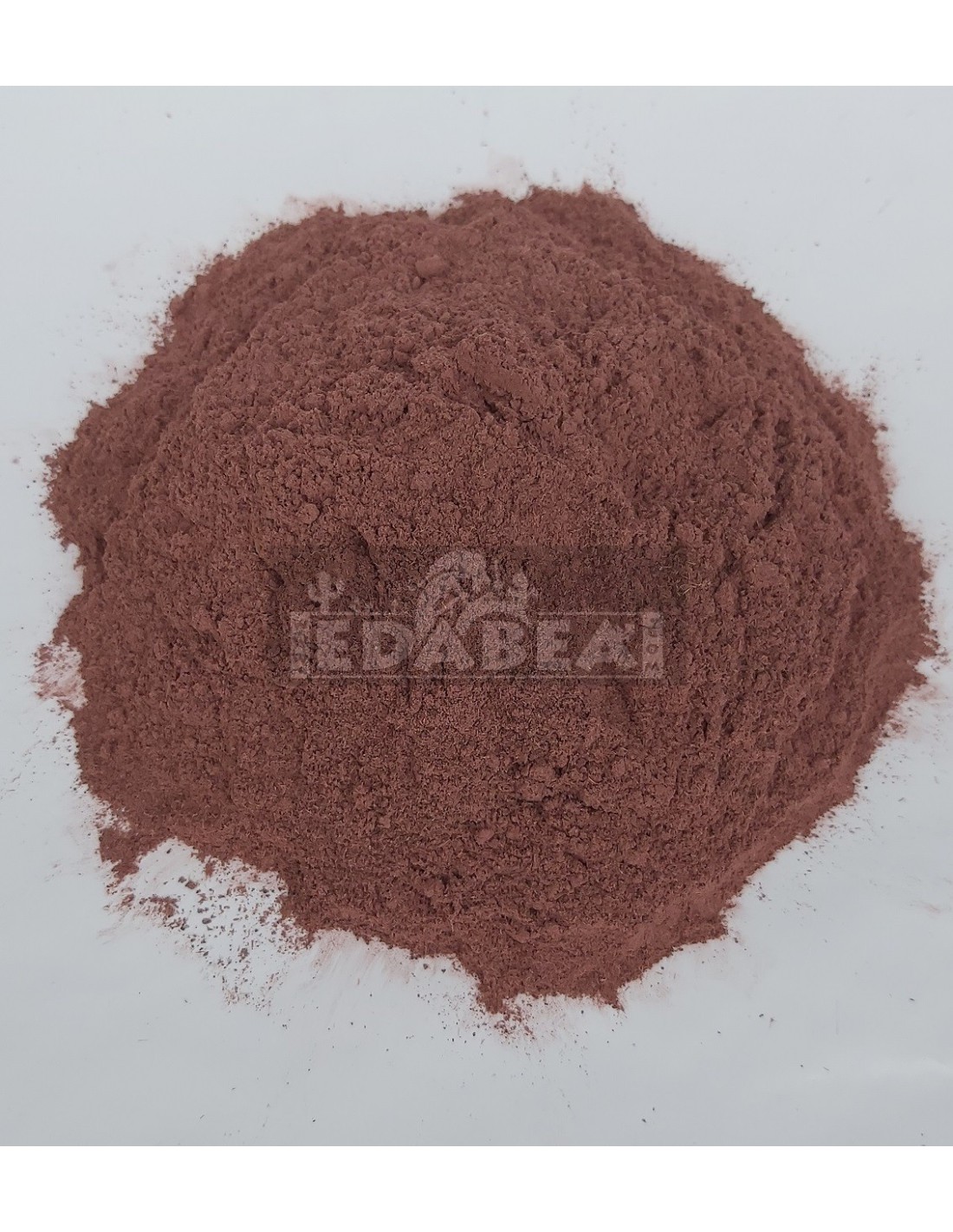
Mimosa Hostilis (Mimosa tenuiflora) from Northeast Brazil, the sertão region. Hand-selected inner root bark, processed at Edabea from whole material within 48 hours before shipping to preserve material integrity. Available in fine powder and fine shredded forms. Reference for ethnobotanical collection, phytochemical research, and external cosmetic formulation.
Mimosa Hostilis from Brazil | Fine Powder or Fine Shredded Root Bark
Mimosa Hostilis (Mimosa tenuiflora) is a well-established reference in specialized ethnobotanical trade, valued for its history in traditional contexts and the quality of its root bark. At Edabea, we select this species for its origin in Northeast Brazil, the care taken in preparing the material, and the ability to choose between fine powder and fine shredded forms according to each customer's preference.
Origin and Material Selection
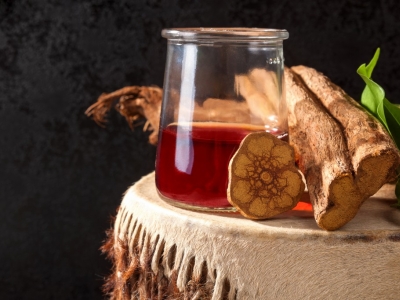
This reference comes from the sertão of Northeast Brazil, a historically significant region for this species and a common source in specialized botanical commerce. The collection is done by hand, working the roots furthest from the trunk to favor the tree's conservation. Once collected, the outer bark is removed, and the fibrous inner part is selected — distinct from the outer bark due to its characteristic coloration and higher concentration of alkaloids and phenolic compounds documented in phytochemical literature (Meckes-Lozoya et al., 1990; Camargo-Ricalde, 2000).
At Edabea, we receive the material in whole format and process it into fine powder or fine shredded forms within 48 hours before shipping. This late preparation criterion avoids superficial oxidation and the controlled moisture loss that occurs in materials stored already ground for weeks.
If you want to learn more about its origin and botanical context, you can check our article about the origin and sustainable harvest of Mimosa Hostilis.
For a comprehensive overview of the botany, phytochemistry and traditional uses of this species, see our article: Mimosa Hostilis — botany, DMT and traditional uses.
Available Formats
We offer two processed presentations from the same batch of whole material, adapted to different handling and conservation preferences:
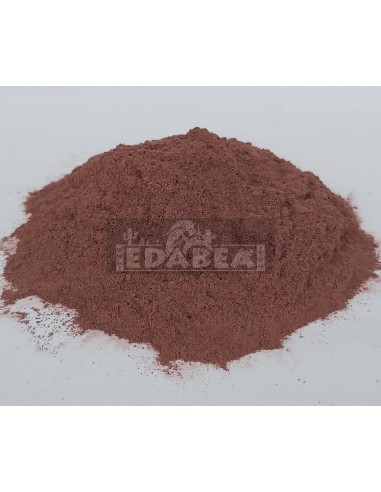
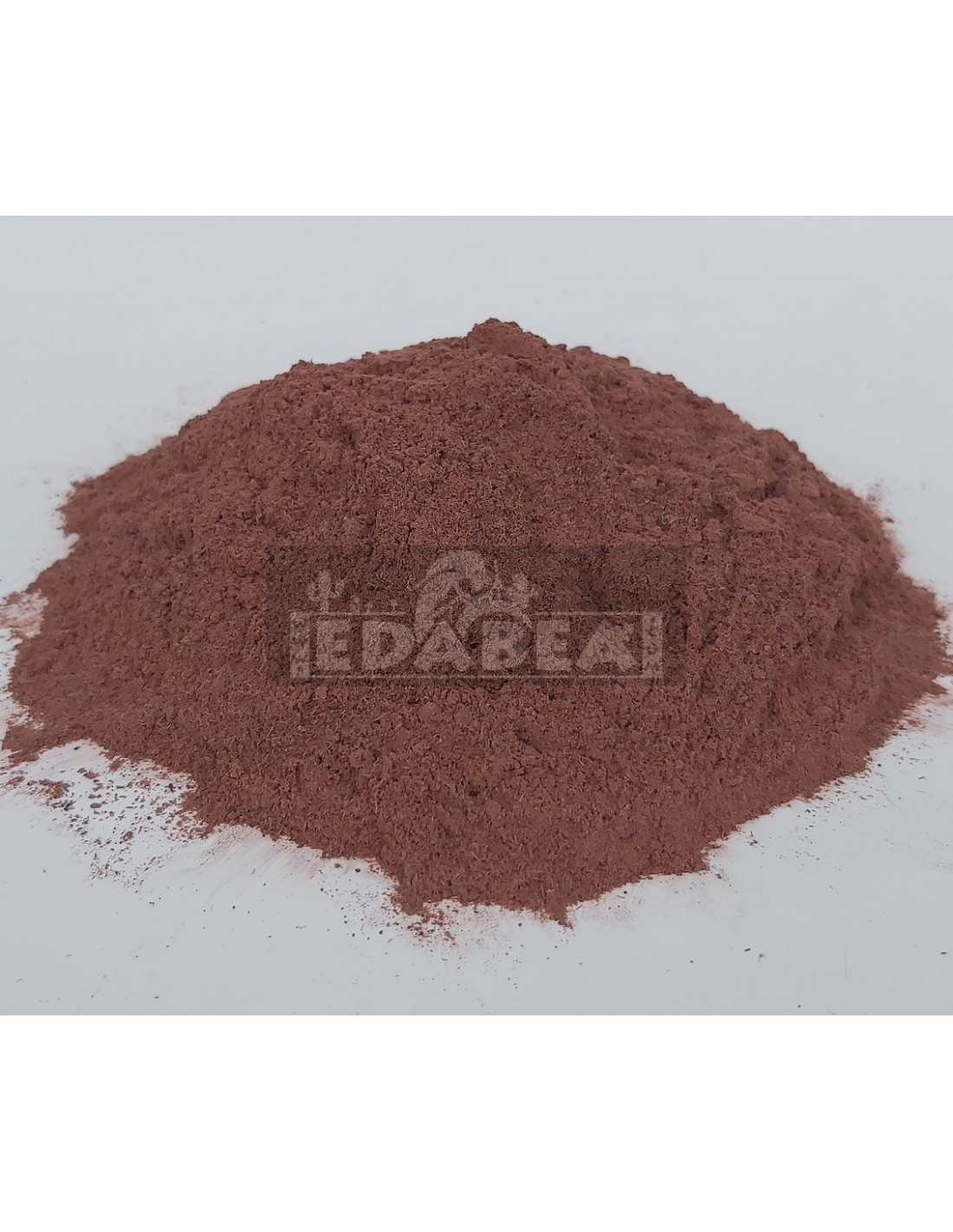
- Fine powder — homogeneous grinding, suitable for mixtures and preparations that require a uniform texture.
- Fine shredded — a presentation with more visual body, appropriate for those who prefer less pulverized and more morphologically recognizable material.
Other Common Names
In botanical literature, specialized catalogs, and international markets, this species is also referred to as Jurema Preta or under its taxonomic synonym Mimosa tenuiflora (Willd.) Poir., a name currently accepted by most reference botanical databases.
Documented Uses
The root bark of Mimosa tenuiflora has a solid presence in several usage areas compatible with this type of botanical material:
- Botanical collection — archiving and documentation of ethnobotanical interest species.
- Botanical and phytochemical research — study of plant materials with documented tryptamine alkaloids in scientific literature.
- External cosmetics — artisanal formulations for topical use, where the species has a history of use documented in traditional medicine of Northeast Brazil.
- Dyes and plant pigments — artisanal applications based on the coloring properties of the bark.
How to Choose the Format
- Select fine powder if you seek a uniform texture for mixtures, formulations, or preparations where homogeneity is a priority.
- Select fine shredded if you prefer a structured and visually recognizable presentation — especially suitable for botanical collection or when you want to preserve the morphology of the material.
Conservation
The root bark is sensitive to moisture and temperature changes. To maintain its appearance, texture, and stability:
- Store in a well-sealed container, preferably airtight.
- Keep in a cool, dry place protected from direct light.
- Avoid humidity, prolonged heat, and cross-contamination with other materials.
Frequently Asked Questions about Mimosa Hostilis
Where does this reference come from?
It comes from the sertão of Northeast Brazil, a historically significant region for the species and a common source in specialized botanical commerce. Hand collection and selection of the fibrous inner part of the root bark are the criteria that define the quality of this batch.
What is the difference between fine powder and fine shredded?
The fine powder has a finer, more uniform grind, while the fine shredded retains a coarser and morphologically visible texture. Both come from the same source material; the difference lies exclusively in the processing degree. The choice depends on the intended use and presentation preference.
Why is it processed shortly before shipping?
We receive the material in whole form and process it within 48 hours before shipping. Grinding and shredding accelerate superficial oxidation and the controlled moisture loss of the material. Processing at the last moment allows us to offer a fresher product, with better presentation and greater short-term stability than if it were stored already ground for weeks.
Which customer profile fits each format best?
The fine powder is best for external formulations and mixtures where homogeneity and integration with other ingredients are sought. The fine shredded is more suitable for botanical collection, archiving materials, or when the visual structure of the plant material is preferred.
What is the legal status of Mimosa Hostilis?
The legal situation may vary depending on the jurisdiction. It is the buyer's responsibility to verify the applicable regulations in their place of residence. This product is sold exclusively as a botanical collection material and for ethnobotanical research.
About this content
This sheet was prepared by the specialized team at Edabea Natura, with over 15 years of experience in the selection and marketing of ethnobotanical materials. The information about origin, collection, and documented uses is based on reference botanical sources and direct knowledge of the material from each batch. Last update: May 2026. For inquiries about availability, characteristics of the current batch, or shipping conditions, contact us at contacto@edabea.com.
References: Meckes-Lozoya, M. et al. (1990). N,N-dimethyltryptamine alkaloid in Mimosa tenuiflora bark. Journal of Ethnopharmacology, 28(2), 183–193. — Camargo-Ricalde, S.L. (2000). Description, distribution, anatomy, chemical composition, and uses of Mimosa tenuiflora (Fabaceae-Mimosoideae) in Mexico. Revista de Biología Tropical, 48(4), 939–954.
98 Items
Score:
5
Richard Ko..
-
Arrived as advertised. Good quality product. Getting a good extraction of the dye.
Score:
5
Manolis Bo..
-
Excellent quality, always a trustworthy store
Score:
5
João Cunha
-
Entrega muito rápido e produto de qualidade. Recomendo
Score:
5
Lukas Zubi..
-
Ordered 2 times, powdered. Very good product, good quality, excellent for coloring shirts :-)
Score:
5
Marek Luko..
-
I ordered this product a few times already. Great quality as always. 100% recommended.


Tap to zoom