Shopping Cart
There are no more items in your cart
Kanna (Sceletium tortuosum) – History, Uses, and Complete Guide
Categories :
Kanna
Kanna (Sceletium tortuosum): History, Alkaloids, and Scientific Studies
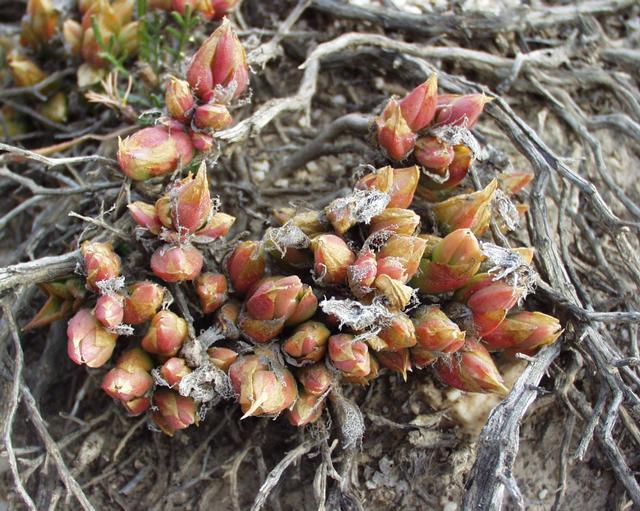
Kanna (Sceletium tortuosum L. Bolus) is a succulent plant from the Aizoaceae family, native to southern Africa, used for centuries by indigenous peoples in traditional preparations. It is currently garnering interest due to its alkaloid profile—especially mesembrine and mesembrenone—and the scientific studies that have begun to characterize its pharmacological mechanisms. At Edabea, we work with specialized suppliers in ethnobotany under verified quality and traceability criteria. To dive deeper into the main alkaloid, check out our article on mesembrine: the main alkaloid of kanna.
Origin and Traditional Use
Sceletium tortuosum is native to the arid and semi-arid regions of southern Africa—primarily present-day South Africa and Namibia. Its traditional use is documented mainly among the San (Bushmen) and Khoikhoi (Khoikhoi), who prepared and consumed the plant in the form of kougoed—a fermented preparation made by crushing, pounding, and heating the dried plant for several days. Fermentation modifies the alkaloid profile of the starting material, converting some of the mesembrenone into mesembrine.
Documented uses in ethnobotanical sources include relieving fatigue during long walks and hunting expeditions, reducing feelings of hunger and thirst, and alleviating depressed mood and anxiety (Smith, M.T. et al., 1996. Journal of Ethnopharmacology, 50(3), 119–130). Since the first documented contact with European explorers in the 17th century, kougoed has been described in colonial sources as a preparation with euphoric and anxiolytic properties.

Main Alkaloids and Documented Pharmacological Mechanisms
Several alkaloids from the Sceletium group— a phytochemical class unique to the genus with no direct equivalent in other botanical families—have been identified in Sceletium tortuosum. The four most relevant are:
| Alkaloid | Documented Mechanism | Reference |
|---|---|---|
| Mesembrine | Serotonin reuptake inhibitor (SSRI) — increases synaptic availability of serotonin | Harvey et al., 2011 |
| Mesembrenone | Phosphodiesterase 4 (PDE4) inhibitor — modulates intracellular cAMP; also weak SSRI activity | Harvey et al., 2011 |
| Mesembrenol | Documented SSRI activity; lower potency than mesembrine | Smith et al., 1996 |
| Tortuosamine | Secondary alkaloid; pharmacological activity not fully established | Smith et al., 1996 |
The combination of serotonin reuptake inhibition (mesembrine) and phosphodiesterase 4 inhibition (mesembrenone) in the whole plant creates a pharmacological profile that cannot be reproduced with either alkaloid in isolation—explaining the interest in full-spectrum extracts over those standardized to a single alkaloid (Harvey, A.L. et al., 2011. Journal of Ethnopharmacology, 137(3), 1124–1129).
Published Scientific Studies
The seminal review of the literature on Sceletium was conducted by Smith, Crouch, Gericke, and Hirst in 1996—"Psychoactive constituents of the genus Sceletium N.E.Br. and other Mesembryanthemaceae: a review" (Journal of Ethnopharmacology, 50(3), 119–130)—which systematically cataloged the alkaloids identified in the plant and the preparations used for kougoed.
In 2008, Gericke and Viljoen published an updated review of the state of research: "Sceletium — a review update" (Journal of Ethnopharmacology, 119(3), 653–663), which gathered the accumulated evidence regarding the alkaloid profile and mechanisms of action.
In 2011, Harvey et al. documented the SSRI and PDE4 mechanisms of the principal alkaloids through in vitro studies, establishing the current pharmacological basis to understand the documented traditional effects.
In 2014, Chiu et al. published a randomized controlled clinical trial with a standardized extract of Sceletium tortuosum (commercially named Zembrin) in healthy volunteers, documenting effects on cognitive function and anxiety with an acceptable safety profile at the studied doses.
A subsequent comparative analysis observed significant variations in alkaloid levels between raw plant material and fermented kougoed, confirming that the traditional fermentation process modifies the alkaloid profile—particularly the mesembrine/mesembrenone proportion—in a way that is relevant to the pharmacological activity of the final product.
.jpg)
Documented Pharmacological Effects and Chemotypes
Sceletium tortuosum shows significant chemical variability among individuals—chemotypes—where the relative proportion of mesembrine and mesembrenone varies. Documented effects in the ethnobotanical literature and clinical studies include reduced anxiety, improved mood, reduced feelings of fatigue, and, at high doses, sedative effects. The SSRI inhibition of mesembrine is the mechanism most directly related to mood effects; the PDE4 inhibition of mesembrenone is associated with cognitive and anti-inflammatory effects in preclinical models (Harvey et al., 2011, op. cit.).
Documented adverse effects include nausea and headache, primarily at high doses. Interaction with serotoninergic medication (SSRIs, MAOIs) is a risk to consider given the serotonin reuptake inhibiting activity of mesembrine—the combination could increase the risk of serotonin syndrome.
Legal Status
The legal status of Sceletium tortuosum may vary by jurisdiction. It is the buyer's responsibility to verify the applicable regulations in their place of residence before acquiring the product. Edabea products are marketed exclusively as botanical collection materials and for ethnobotanical research.
Frequently Asked Questions about Kanna
What is the difference between kanna and kougoed?
Kanna is the raw plant—Sceletium tortuosum—in its natural or simply dried state. Kougoed is the traditional fermented preparation obtained through crushing, pounding, and heating the dried plant for several days. Fermentation converts some of the mesembrenone into mesembrine, significantly altering the alkaloid profile relevant to pharmacological activity. Kougoed has a higher relative content of mesembrine compared to unfermented material.
What are the chemotypes of Sceletium tortuosum?
Chemotypes are variations in chemical composition among individuals of the same species. In Sceletium tortuosum, some individuals have mesembrine as the predominant alkaloid and others have mesembrenone. This variability is relevant for the standardization of commercial extracts—a non-standardized extract from unknown origin may have a very different alkaloid profile compared to another from the same species. Standardized and full-spectrum extracts address this issue in different ways.
Why can combining kanna with serotoninergic medication be problematic?
Mesembrine acts as a serotonin reuptake inhibitor (SSRI), the same mechanism used by clinical SSRI antidepressants (fluoxetine, sertraline). Combining two compounds with SSRI activity may increase synaptic serotonin levels beyond what is safe, risking serotonin syndrome—a potentially serious condition that includes agitation, confusion, tachycardia, and, in severe cases, seizures. The combination with MAOIs presents the same risk. Anyone taking psychiatric medication should consult their doctor before using products made from Sceletium tortuosum.
How should kanna be stored correctly?
In an airtight container, in a cool, dry place, protected from direct light. High humidity and temperature conditions accelerate the degradation of alkaloids and promote microbial growth.
About this content
Original article by Nina Slick. Reviewed and updated by the specialized team at Edabea Natura. The phytochemical and pharmacological information is based on the cited bibliographic sources. Last updated: April 2026.
Bibliographic References
- Gericke, N. & Viljoen, A.M. (2008). Sceletium — a review update. Journal of Ethnopharmacology, 119(3), 653–663.
- Harvey, A.L. et al. (2011). Pharmacological actions of Sceletium tortuosum and its principal alkaloids. Journal of Ethnopharmacology, 137(3), 1124–1129.
- Smith, M.T. et al. (1996). Psychoactive constituents of the genus Sceletium. Journal of Ethnopharmacology, 50(3), 119–130.
Share this content