

Shopping Cart
There are no more items in your cart
Kratom: What it is, effects, uses and legal status
Categories :
Kratom
What is kratom or mitragyna speciosa?
Kratom or mitragyna speciosa is a tree native to Asia (Malaysia, Thailand) whose leaves were traditionally consumed by Malaysian farmers when they could not access opium. Its main component is an alkaloid called mitragynine, which is found in the plant in varying proportions alongside others such as 7-hydroxymitragynine (which, although present in smaller amounts, is more potent and considered the most important), rhynchophylline, paynantheine, speciophylline, and many others.
As summarized by J. C. Ruiz Franco in "Kratom, a very interesting psychoactive tree":
“Mitragynine is the most abundant alkaloid in the plant. Its structure is similar to LSD and psilocybin but it does not have psychedelic effects. A small dose acts as a stimulant because it binds to δ-opioid receptors, but a higher dose also binds to μ-opioid receptors, relieving pain and exhibiting effects similar to opioid substances (morphine).”
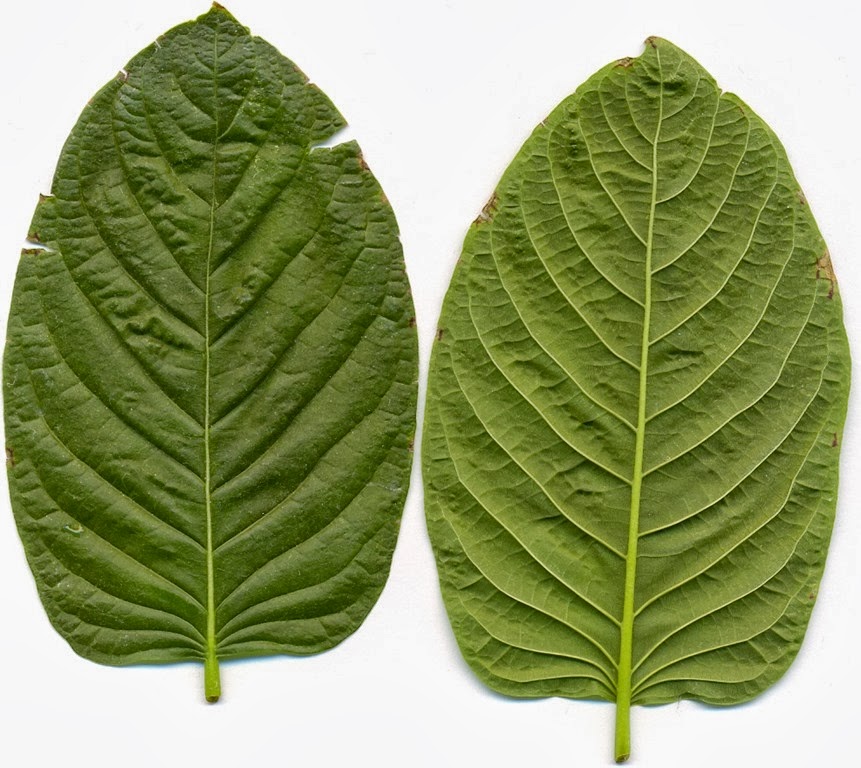
Effects of kratom
Despite its increasingly popular medicinal use, scientific research has not deeply studied kratom and its effects. No studies have officially validated its consumption or established its uses. Ruiz Franco cautiously notes: “In any case, there are not many rigorous studies on kratom, so its effects on the human body are not well understood.” It is vital to remember that low doses and high doses produce very different effects and there is no standard dosage for different ailments. Some analgesic effects are documented, making kratom a potential natural alternative for chronic pain conditions (multiple sclerosis, fibromyalgia, etc.), similar to CBD oil.
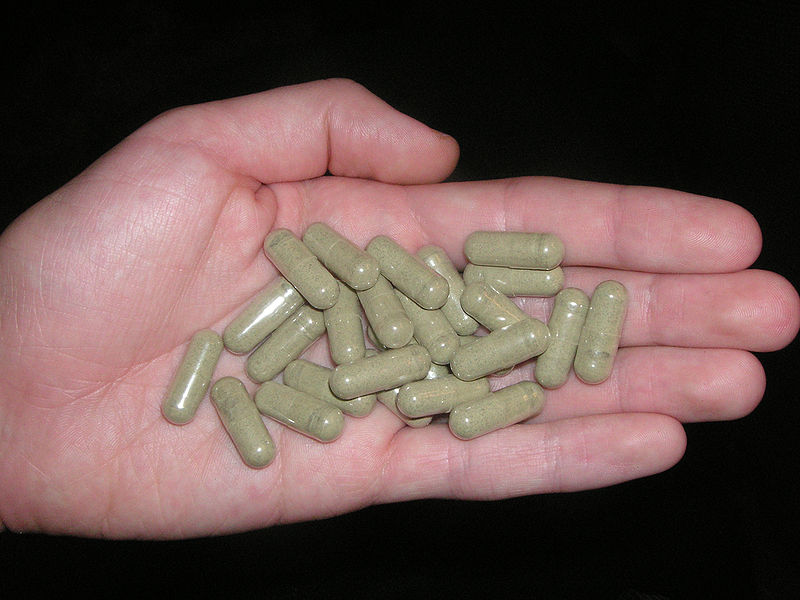
Paradoxically, this lack of scientific documentation about the tree has theoretically slowed the DEA's proposed kratom ban in the U.S., announced on August 30. As reported by the Huffington Post:
“The DEA initially planned to use urgent powers to enforce a ban without public input, despite concerns from lawmakers, scientists, and kratom users that the move could cause more harm than good.”
Even without medical endorsement, many Americans opposed the potential illegalization of mitragynine, a substance that has helped many treat heroin addiction in recent years.
Testimonies in defense of kratom are numerous, especially those gathered by the American Kratom Association (AKA). For example, a woman shared:
“My 59-year-old husband retired in 2008 after 30 years in law enforcement as a lieutenant. He was injured in 1991 and underwent two back surgeries. He has had constant pain ever since and avoided prescription painkillers because he dislikes their effects. Since taking kratom, he functions much better, working two part-time jobs and is happy to be productive with reduced pain.”
Another woman explained the differences between her usual treatments for multiple sclerosis and her use of kratom:
“I am 50 with multiple sclerosis. Before discovering kratom, I suffered severe depression due to constant pain and stiffness. MS almost gives carte blanche for painkillers. I was prescribed everything from Demerol to Fentanyl, and most of them made it impossible to function normally. I tried kratom four years ago and experienced immediate relief without side effects (…).”

Cases like these motivated protests against the DEA’s proposed ban. The agency opened a public comment period in October. According to the Huffington Post, around 9,000 submissions were received and are being analyzed while the FDA evaluates kratom's effects, uses, and risks. Although the DEA waits for FDA results, it could classify kratom as a Schedule I substance, alongside LSD and heroin, limiting scientific development and research.
Article by Nina Slick

Frequently asked questions about kratom (FAQ)
What is kratom and what are its main components?
Kratom is a tree from Asia (Malaysia, Thailand) whose main component is mitragynine, along with other alkaloids such as 7-hydroxymitragynine, rhynchophylline, and speciophylline. The concentration of each determines its effects on the body.
Does kratom have medicinal effects?
Documented effects include analgesic and stimulant properties depending on the dose. However, there is no medical consensus yet. Learn more about kratom and its effects in our comprehensive kratom guide.
Is kratom safe for chronic pain management?
Some patients use it as a natural alternative to traditional painkillers, but always under medical supervision and controlled dosages. It does not replace prescribed treatments.
Where can I buy kratom safely?
It is recommended to purchase kratom from specialized and trustworthy vendors. Check our kratom category for verified suppliers and available varieties.
Share this content