

Shopping Cart
There are no more items in your cart
How to Cultivate Kratom
Categories :
Kratom
Mitragyna speciosa from Seeds
Mitragyna speciosa (Korth.) Havil. is a tropical tree from the Rubiaceae family, native to the humid regions of Southeast Asia—Thailand, Indonesia, Malaysia, and Papua New Guinea—where it naturally grows along riverbanks and forest areas with high humidity. In the ethnobotanical field, it is known for its unique phytochemical profile, characterized by the presence of indole alkaloids such as mitragynine and 7-hydroxymitragynine as its main secondary metabolites. For more information about the species and its composition, you can check our comprehensive guide to Kratom and the specific article on what mitragynine is.
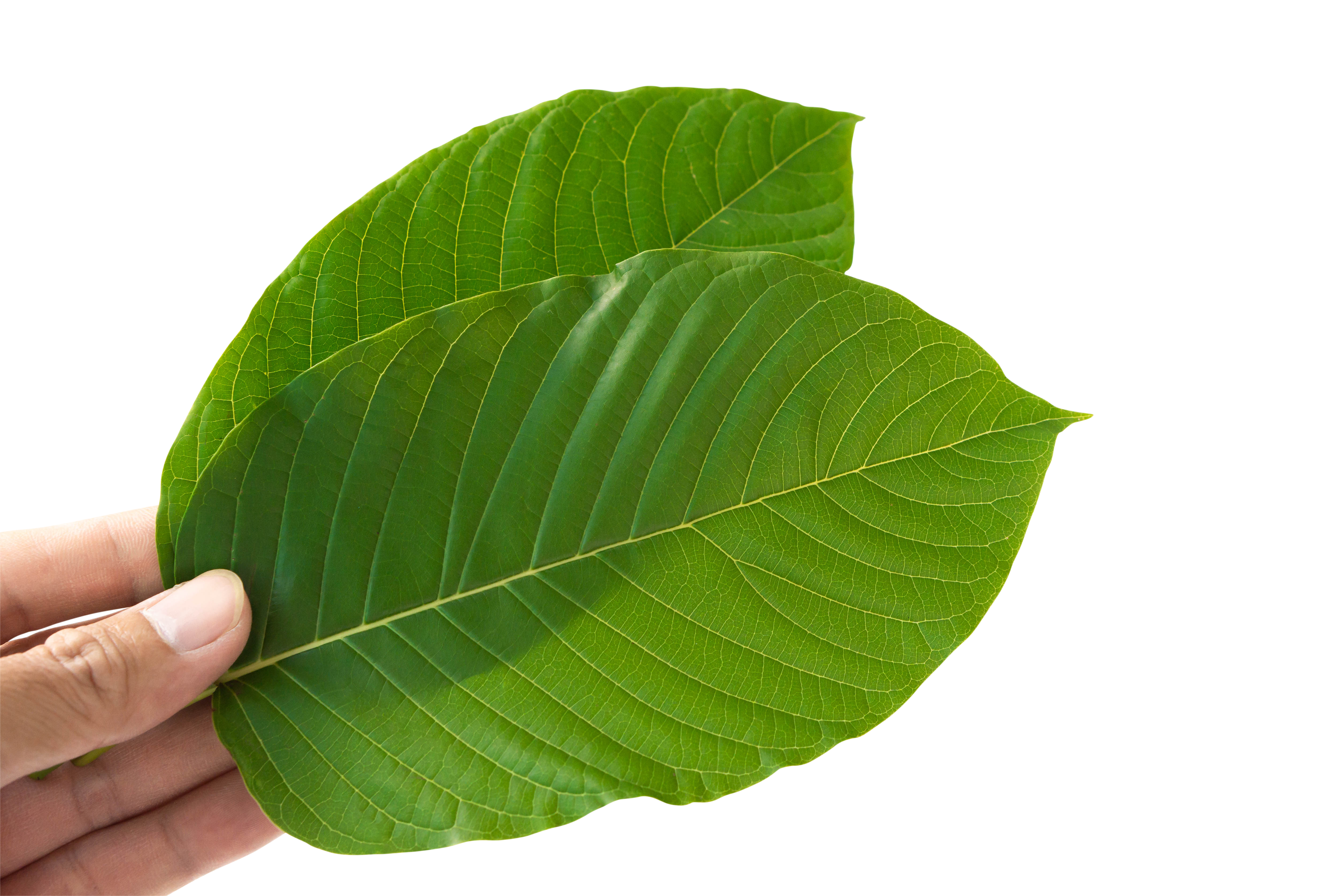
Growing Mitragyna speciosa from seed is a technically demanding process that requires accurately replicating the tropical conditions of the species' natural habitat. This article describes the sowing method, germination conditions, and initial care of seedlings, based on the direct experience of the Edabea team with the material available in our Kratom seeds catalog.
Botanical Characteristics Relevant for Cultivation
Mitragyna speciosa is a potentially large tree—it can exceed 15 meters in natural conditions—although in controlled cultivation, its growth is considerably more contained. The growth pattern from seed is characteristic: a slow initial phase during the first weeks, followed by a notable acceleration once the seedling has established a functional root system and environmental conditions are stable.
.jpg)
This species is strictly tropical and does not tolerate low temperatures. In its natural habitat, it experiences constant temperatures between 25 and 35 °C with high relative humidity year-round. These conditions are critical not only for growth but also for the germination of seeds, as detailed further on.
The Seeds of Mitragyna speciosa: Biology and Viability
The seeds of Mitragyna speciosa are small, light brown, and develop inside pods that must reach adequate maturity before harvesting to ensure seed viability. This point is critical and often misunderstood: seed viability does not primarily depend on its age but on the degree of maturity of the pod at the time of harvest.
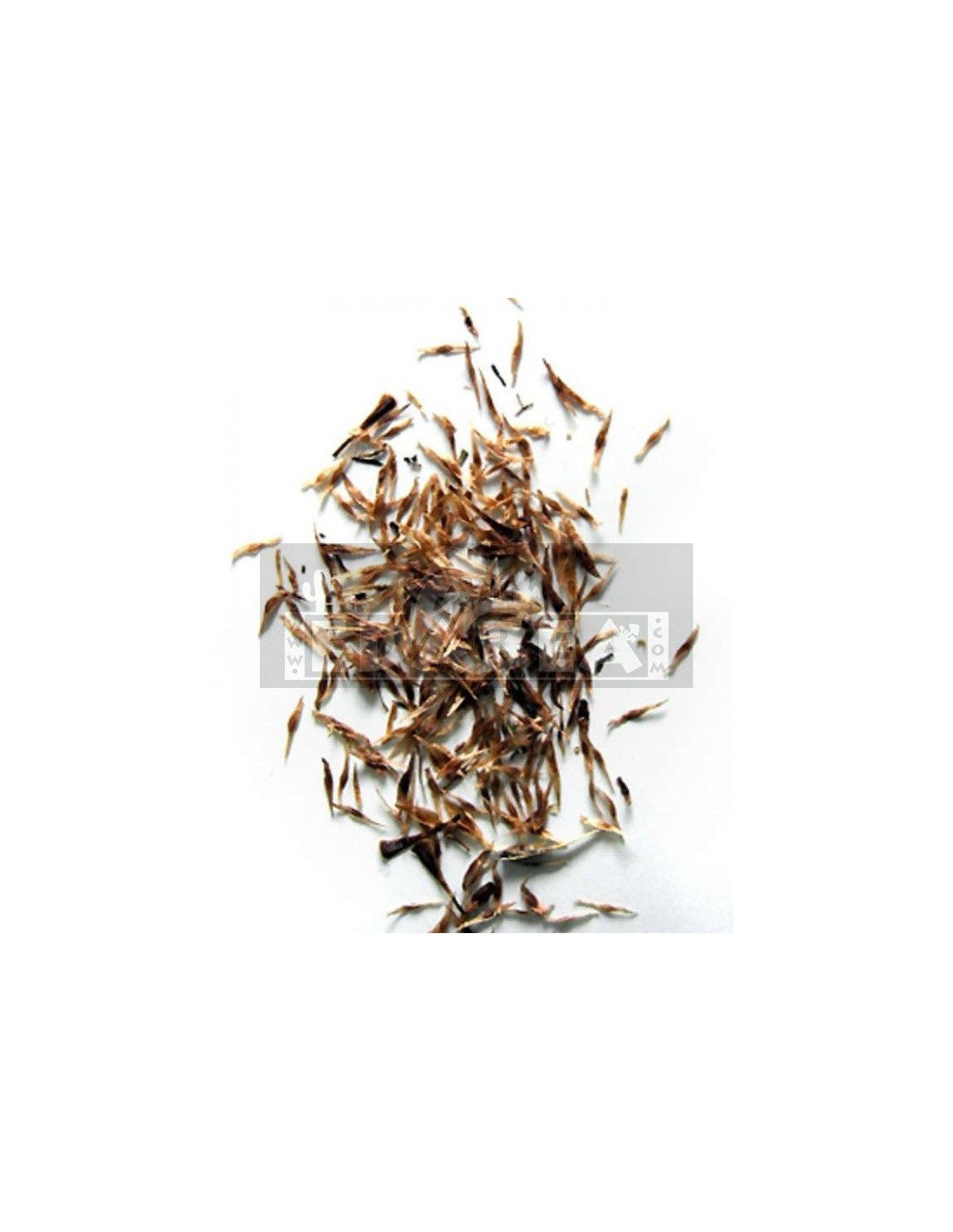
In germination tests conducted with mature pod material, germination rates of up to 80% have been observed even with seeds harvested several years before sowing, as long as the pods had reached the appropriate maturity point. Seeds from immature pods, on the other hand, show very low germination rates regardless of freshness. Thus, selecting the right harvest time is the most determining factor for material viability.
To obtain the seeds, carefully open the pods and let the seeds fall onto a clean paper surface. The material is delicate and must be handled carefully to avoid damage to the seed coat.
Preparing the Substrate
The recommended substrate for sowing Mitragyna speciosa is fine sieved peat, with good moisture retention capacity and sufficiently aerated structure to prevent waterlogging. Fine peat combines both characteristics: it retains the moisture needed to keep the substrate constantly damp without generating root anoxia.
Prepare a planting tray with a uniform layer of sieved peat. Depth is not critical for germination, but uniformity and moisture retention capacity of the substrate are essential. Avoid compacted substrates or coarse granulation.
Sowing Method
The sowing process of Mitragyna speciosa differs from most species in a decisive aspect: the seeds should not be covered with substrate. Germination of this species requires exposure to light, so the seeds must remain on the surface after sowing. Covering them, even with a minimal layer of substrate, significantly reduces the germination rate.
The correct procedure is as follows: sprinkle the seeds evenly over the surface of the prepared peat, without burying them. Water immediately with a manual sprayer—preferably rainwater or non-chlorinated water—applying a fine mist that moistens the surface without displacing the seeds or causing waterlogging. Place the tray in a greenhouse or climate-controlled environment where the required temperature and humidity conditions will be maintained.
Critical Germination Conditions
Temperature is the most determining factor in the germination of Mitragyna speciosa and is the most common reason for process failure:
| Parameter | Recommended Value | Observation |
|---|---|---|
| Temperature | Constant 35 °C | Below 30 °C germination does not occur, although seeds remain viable |
| Moisture of Substrate | Very high and constant | The slightest drying can destroy newly germinated seedlings |
| Light | Indirect or diffused | Necessary for germination; intense direct light may dehydrate the substrate |
| Substrate | Well-aerated fine peat | High moisture retention without waterlogging |
| Seed Covering | None – surface sowing | Seeds require light to germinate; they should not be covered |
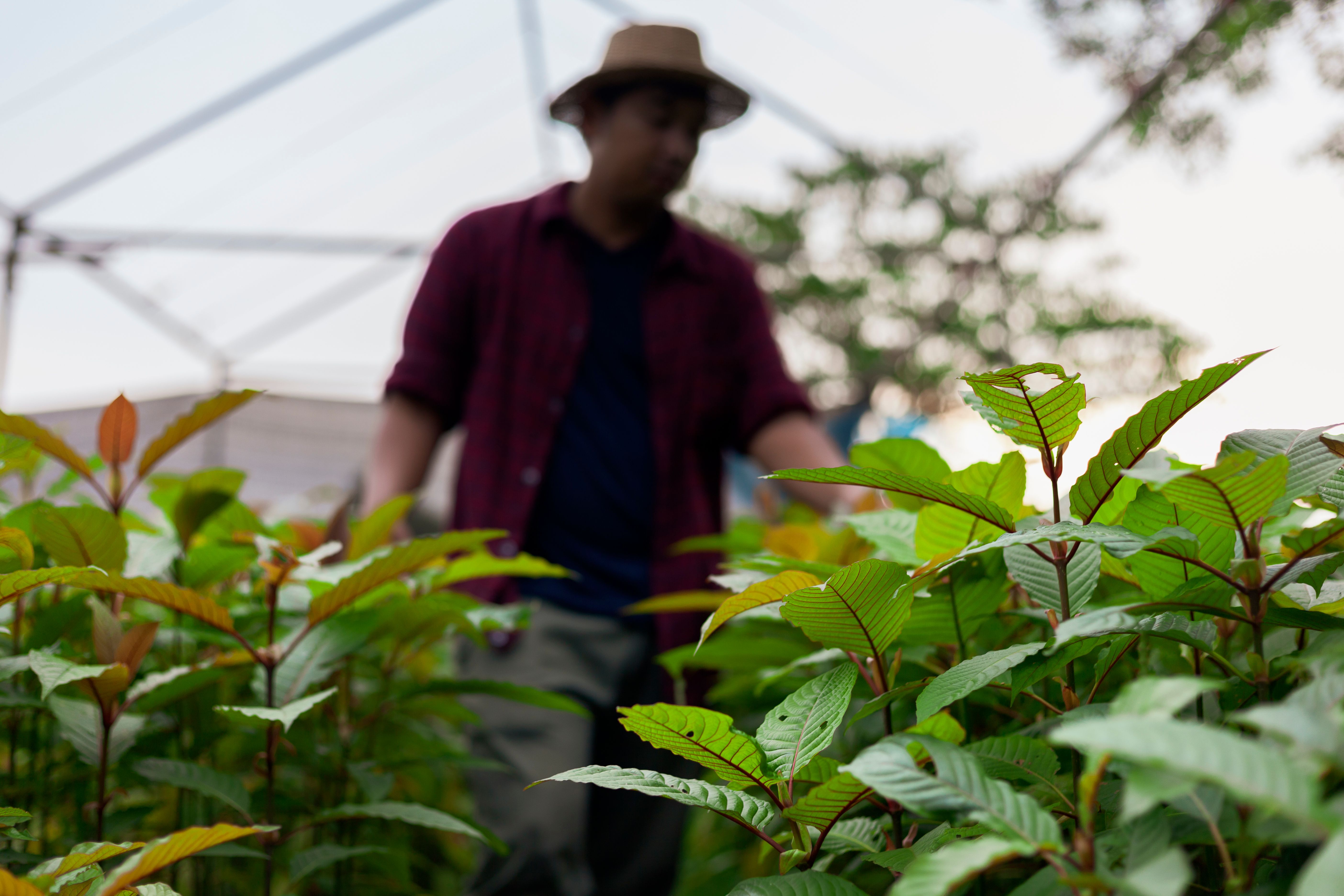
The use of a climate-controlled greenhouse with active temperature control is the most effective solution for maintaining these conditions stably. Indoors, temperature control requires additional heating to achieve the necessary 35 °C, especially in cold months.
Care of Seedlings
During the first weeks after germination, growth is notably slow. This is the most delicate phase of the process: newly emerged seedlings are extremely sensitive to desiccation, dry air currents, and sharp temperature changes. Watering must be done exclusively by fine mist spraying—never direct watering—to avoid damaging the aerial structures of the seedlings.
.jpg)
Ambient humidity must be kept high consistently. In indoor environments without humidity control, a propagator or a clear cover over the planting tray may be sufficient to create the necessary microclimate during the first weeks.
Transplanting should be postponed until the plant has developed a sufficiently robust aerial and root structure to withstand handling. Premature transplanting in this species is one of the most frequent causes of seedling loss.
Climate-Controlled Interior vs Heated Greenhouse
| Method | Advantages | Considerations |
|---|---|---|
| Climate-Controlled Interior | Total temperature control, independent of external conditions | Requires additional heating to reach 35 °C; maintaining ambient humidity is more difficult |
| Heated Greenhouse | Greater thermal and humidity stability; more akin to the natural habitat conditions | Requires appropriate heating equipment; more efficient if well equipped |
Kratom Seeds at Edabea
At Edabea, we offer seeds of Mitragyna speciosa selected for ethnobotanical collection and cultivation, harvested at the appropriate maturity point to guarantee the viability of the material. To explore the rest of our Mitragyna speciosa catalog, you can visit our Kratom category.
Frequently Asked Questions about Cultivating Mitragyna speciosa from Seed
Why aren't my Kratom seeds germinating?
The most common cause is insufficient temperature. Below 30 °C, Mitragyna speciosa seeds do not initiate the germination process, although they remain viable and can germinate when optimal temperature conditions are restored. The optimal range is around constant 35 °C. A second common cause is the use of seeds from immature pods, which show very low germination rates regardless of growing conditions.
Should I cover the seeds with soil after sowing?
No. Mitragyna speciosa seeds are positively photoblastic—they need light exposure to initiate germination. They must remain on the surface of the substrate after sowing, without any soil or peat cover. This is one of the most frequent mistakes in cultivating this species and one of the common causes of null or very low germination.
Can old Kratom seeds be used?
Yes, as long as they were harvested at the appropriate maturity point of the pod. The viability of Mitragyna speciosa seeds depends mainly on the degree of maturity at the time of harvest, not on the age of the material. In germination tests with mature pod seeds, rates of up to 80% have been observed with material harvested several years before sowing. The determining factor is maturity, not freshness.
How long does it take to germinate and grow?
The germination time varies based on temperature and humidity conditions, but under optimal conditions (constant 35 °C, high humidity), the first signs of germination may appear between one and three weeks after sowing. The initial growth of the seedling is slow in the first weeks; once the root system is established and tropical conditions stabilized, development accelerates notably. Patience in the initial phase is crucial for successful cultivation.
What water is best for irrigating the seedlings?
Rainwater is the preferred option, due to its absence of chlorine and slightly acidic pH, compatible with the species' requirements. Alternatively, tap water left out for 24 hours—to allow chlorine to evaporate—or filtered water are also suitable options. Watering should always be done by fine mist spraying, never direct watering that may displace seeds on the surface or damage newly emerged seedlings.
Article created by the specialized team of Edabea Natura, with over 15 years of experience in selecting and marketing ethnobotanical materials. The information on cultivation techniques is based on direct experience with the material available in the Edabea catalog. Last updated: April 2026.
Product intended solely for botanical collection and ethnobotanical research. Keep out of reach of minors.
Share this content