Shopping Cart
There are no more items in your cart


Ololiuhqui (Rivea Corymbosa)
€7.00
Tax included
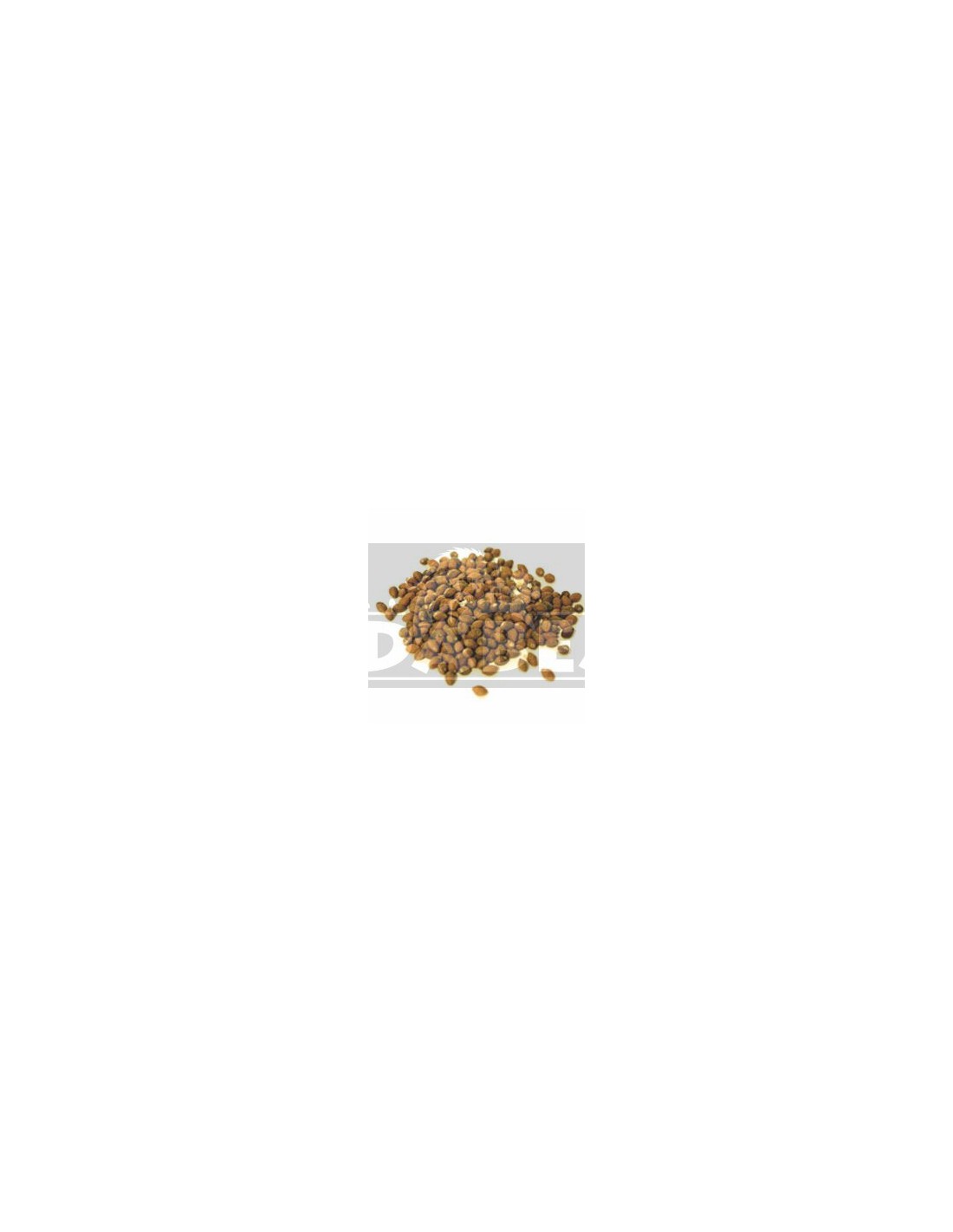
Ololiuhqui (Rivea corymbosa) — seeds available in packs of 1 g (approx. 40 seeds) and 5 g (approx. 200 seeds). A Mesoamerican climbing plant from the Convolvulaceae family, with one of the most documented ethnobotanical histories in Mexico and Central America. Its seeds contain LSA (ergine), a well-documented ergoline alkaloid in the scientific literature. A collector's item for botanical and ethnobotanical research.
What is Ololiuhqui
Ololiuhqui is the Nahuatl name for Rivea corymbosa (syn. Turbina corymbosa), a perennial climbing plant belonging to the Convolvulaceae family — the same family as Hawaiian Baby Woodrose (Argyreia nervosa) and morning glory (Ipomoea tricolor). It is native to Mexico and Central America, where it grows naturally in humid tropical and subtropical forests.
Its seeds contain LSA (lysergic acid amide or ergine), an ergoline alkaloid documented in scientific literature. The presence of LSA in the seeds of Rivea corymbosa was identified and published for the first time in 1960 by chemist Albert Hofmann — the same researcher who isolated psilocybin from Psilocybe mexicana and discovered LSD — in collaboration with ethnobotanist R. Gordon Wasson.
Botanical Description
Rivea corymbosa is a fast-growing vine with twining stems that can reach several meters in length. It has heart-shaped, bright green leaves and trumpet-shaped white flowers grouped in clusters — hence its specific name — that bloom between summer and fall. Its fruits are oval capsules containing a single light brown seed, relatively small compared to other species in the family.
One gram of seeds is approximately 40 seeds; a 5 g pack contains roughly 200 seeds.
Ethnobotanical Context
Ololiuhqui is one of the best-documented entheogenic plants of Mesoamerica. Its use in ceremonial and divinatory contexts by the Nahua and Zapotec peoples of Mexico is recorded in colonial sources from the 16th century, including the writings of Franciscan friar Bernardino de Sahagún in his General History of the Things of New Spain, where he describes its use in divination practices and healing rituals.
For centuries, the chemical nature of Ololiuhqui was unknown to Western science. In 1941, ethnobotanist Richard Evans Schultes accurately identified the plant as Rivea corymbosa, correcting earlier misidentifications. Two decades later, in 1960, Albert Hofmann identified ergine (LSA) as the main active alkaloid in the seeds, a remarkable finding given the structural proximity of LSA to LSD — a synthetic alkaloid — in a plant with a millennia-old traditional use.
Ethnomycologist R. Gordon Wasson extensively documented the use of Ololiuhqui in his work Ololiuhqui and Other Hallucinogens of Mexico (1971), which remains a fundamental reference in Mesoamerican ethnobotany.
Format and Presentation
Ololiuhqui seeds are available in two formats:
- 1 g — approximately 40 seeds
- 5 g — approximately 200 seeds
Storage
Store in a cool, dry place away from direct light, in a tightly closed container. Under these conditions, the seeds maintain their viability and stability for a prolonged period.
Legal Aspects
The seeds of Rivea corymbosa are not included in controlled substance lists in Spain or in most European Union countries. However, the legal situation can vary by jurisdiction, especially regarding its LSA content. It is the buyer's responsibility to inquire about the applicable regulations in their place of residence before placing any orders.
This product is marketed exclusively as botanical collection material and ethnobotanical research.
Frequently Asked Questions
What does Ololiuhqui mean?
Ololiuhqui is a Nahuatl word that roughly translates to "round thing" or "round seed," referring to the morphology of the plant's seeds. It was the name by which the Nahua peoples of Mexico referred to this plant in 16th-century colonial texts.
What is its relation to Hawaiian Baby Woodrose and morning glory?
All three belong to the Convolvulaceae family and share the presence of ergoline alkaloids — primarily LSA — in their seeds. Rivea corymbosa contains a noticeably lower concentration of LSA compared to Argyreia nervosa (Hawaiian Baby Woodrose). All three have documented ethnobotanical histories in various regions of the world.
Who was R. Gordon Wasson and what is his relation to Ololiuhqui?
R. Gordon Wasson was an American ethnomycologist and banker whose research on the use of plants and fungi in Mesoamerican traditions is a fundamental reference in modern ethnobotany. His work Ololiuhqui and Other Hallucinogens of Mexico (1971) is one of the most cited academic documents on the traditional use of this plant.
In what formats are the seeds available?
In packages of 1 g (approx. 40 seeds) and 5 g (approx. 200 seeds).
Is it legal to buy Ololiuhqui seeds in Spain?
The seeds of Rivea corymbosa are not included in controlled substance lists in Spain or in most European Union countries. It is recommended to check local regulations before purchasing.
6 Items
Tap to zoom