Shopping Cart
There are no more items in your cart

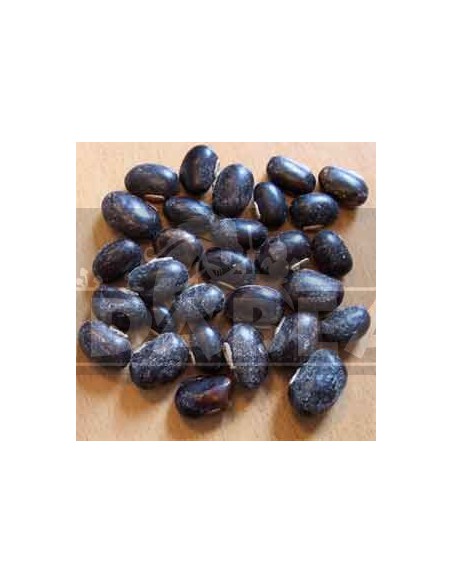
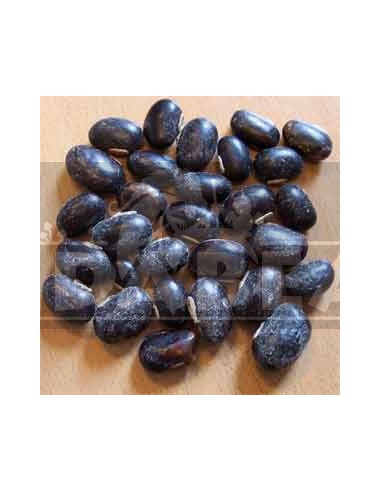
Mucuna pruriens Beans 50g
€8.09
Tax included
Mucuna pruriens (velvet bean, eye of the bull) — 50 g of botanical collection seeds. A tropical climbing legume from the Fabaceae family, native to tropical Africa, India, and the Caribbean. Its seeds contain high concentrations of L-DOPA (levodopa), a direct precursor to dopamine documented in scientific literature and used in classical Ayurvedic medicine. Warning: the pods contain stinging hairs — handle with caution.
Ratings and comments from our customers
What is Mucuna pruriens
Mucuna pruriens, known by a variety of common names — velvet bean, eye of the bull, deer eye, itch bean, velvet grain, chiporro, kapikachu (Sanskrit) or atmagupta (Ayurvedic) — is an annual climbing legume belonging to the Fabaceae family. It is native to tropical Africa, India, and the Caribbean, where it grows naturally in humid tropical forests, jungle edges, and disturbed areas.
Its seeds contain significant concentrations of L-DOPA (levodopa), the direct precursor of the neurotransmitter dopamine, extensively documented in scientific and phytochemical literature. This compound is also the reference active ingredient in the pharmacological treatment of Parkinson's disease, prompting growing scientific interest in the phytochemical profile of this species.
Botanical Description
Mucuna pruriens is a vigorous annual climbing plant that can reach over 15 meters in length thanks to its long tendrils. It features dark green trifoliate leaves and flowers clustered in hanging racemes that are white, lavender, or purple and quite showy.
Its pods are distinctive and easily recognizable: they are covered in stinging orange hairs that contain mucunain, a protein that causes intense allergic reactions and irritation upon contact with skin or mucous membranes. This feature, which has earned it names like "itch bean" in Spanish-speaking regions, is a defensive adaptation of the plant against herbivores. The seeds, on the other hand, are smooth, shiny black or brown with a characteristic white hilum line.
It produces a large amount of plant biomass and is widely used in tropical agriculture as a cover crop and green manure, thanks to its ability to fix atmospheric nitrogen through symbiotic bacteria in its roots — a common characteristic of legumes.
Etnobotanical Context
Mucuna pruriens has a documented history of use in various medicinal traditions within its natural distribution area. In Indian Ayurvedic medicine, where it is known as Atmagupta or Kapikachu, it is documented in classical texts of the system as a Vajikaran Rasayana plant — a category reserved for plants with adaptogenic and invigorating properties in Ayurvedic tradition.
In traditional African and Caribbean medicine, different parts of the plant have been used in ethnomedical contexts documented in regional ethnobotanical literature.
Modern scientific interest in the species centers mainly on its L-DOPA content, identified in its seeds for the first time in the 1930s and the subject of numerous clinical investigations since. The concentration of L-DOPA in Mucuna pruriens seeds can reach between 4% and 7% of dry weight, one of the highest concentrations documented in the plant kingdom.
Handling Precautions
The pods of Mucuna pruriens are covered in stinging hairs that cause intense irritation upon contact with skin, eyes, or mucous membranes. It is recommended to handle the pods with gloves and to avoid rubbing your eyes after any contact with the plant. The seeds, however, do not present this issue once separated from the pod.
Cultivation
Mucuna pruriens is a tropical plant that is easy to cultivate in warm climates:
- Climate: tropical or subtropical. Does not tolerate frost.
- Substrate: widely adaptable. Tolerates poor soils thanks to its nitrogen-fixing ability.
- Exposure: full sun or partial shade.
- Watering: moderate. Tolerates dry periods once established.
- Sowing: directly outdoors in spring, after the last frosts. Soak the seeds in water for 12-24 hours before sowing.
- Germination: between 5 and 10 days under warm conditions.
- Support: needs trellises, supports or other plants to climb on — can reach over 15 meters.
- Precaution: handle the pods with gloves.
Format and Presentation
This product includes 50 g of Mucuna pruriens seeds for botanical collection and ethnobotanical research.
Legal Aspects
The seeds of Mucuna pruriens are completely legal in Spain and the European Union. This product is sold exclusively as botanical collection material and ethnobotanical research.
Frequently Asked Questions
What is L-DOPA and why is it relevant to Mucuna pruriens?
L-DOPA (levodopa) is the direct precursor to dopamine, a fundamental neurotransmitter in the central nervous system. It is naturally present in the seeds of Mucuna pruriens at concentrations ranging from 4% to 7% of dry weight — one of the highest documented in the plant kingdom. Its presence in this plant has prompted growing scientific interest and study in numerous publications on phytochemistry and pharmacology.
Why do the pods cause itching?
The pods are covered in stinging hairs that contain mucunain, a protein that provokes an intense irritant reaction upon contact with the skin or mucous membranes. It is recommended to always handle with gloves. The seeds, once separated from the pod, do not present this problem.
What does kapikachu mean in Sanskrit?
Kapikachu is one of the Sanskrit names for the plant in Ayurveda, which translates approximately as "the one that causes itching like a monkey" — a direct reference to the stinging hairs on its pods. It is one of the many common names for this species, which varies significantly by region and tradition.
Is it easy to grow in Spain?
In Mediterranean climates, it can be grown outdoors during the warm months. It germinates easily, grows rapidly, and tolerates poor soils. The main limitation is that it does not tolerate frost, so in cold climates, it should be treated as an annual or grown indoors during winter.
Is it legal to buy Mucuna pruriens seeds in Spain?
Yes. The seeds of Mucuna pruriens are completely legal in Spain and the European Union.
BA
35 Items
Tap to zoom