Shopping Cart
There are no more items in your cart


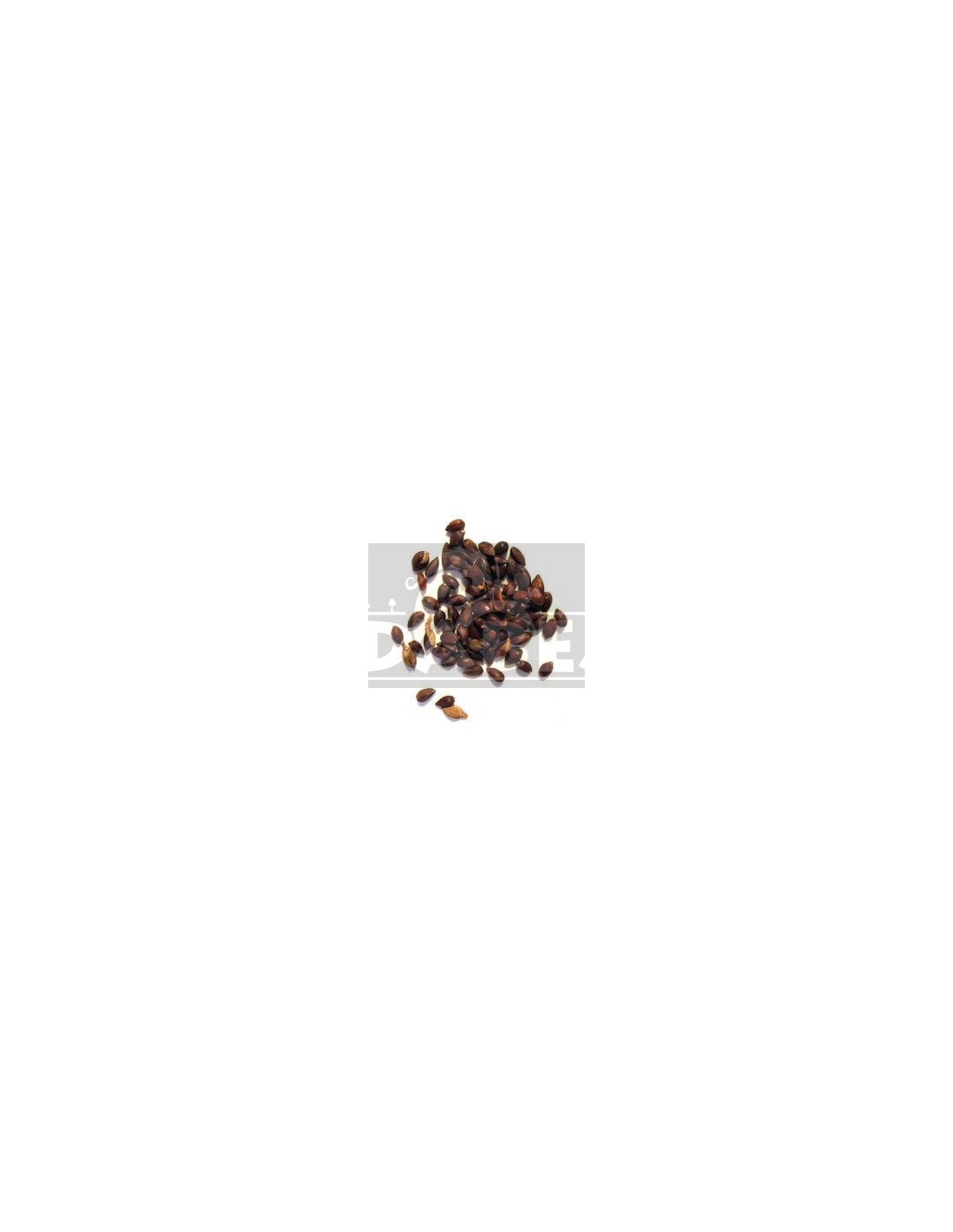
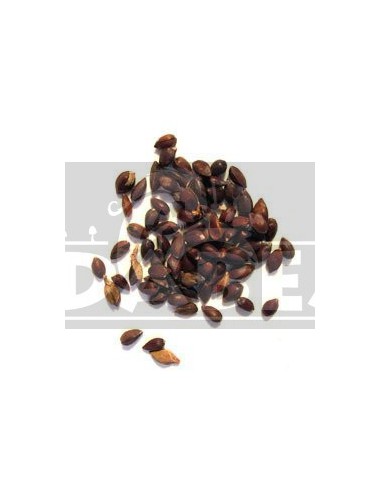
Ephedra Nevadensis 20 Seeds
Available
€5.95
Tax included
Ephedra nevadensis (Mormon Tea) — 20 seeds for botanical collection. This gymnosperm shrub is native to the southwestern United States, adapted to extreme desert conditions. Used by various Native American tribes in documented medicinal and ceremonial contexts. Unlike other species in the genus, it does not contain ephedrine. Botanical collection material and ethnobotanical research.
Ratings and comments from our customers
What is Ephedra nevadensis
Ephedra nevadensis, commonly known as Mormon Tea, is a gymnosperm shrub belonging to the genus Ephedra and the division Gnetophyta, one of the oldest lineages of vascular plants on Earth. It is native to the arid and semi-arid regions of the southwestern United States — Nevada, Utah, Arizona, California, and northern Mexico — where it thrives in deserts, rocky plains, and dry slopes at various elevations.
Unlike Ephedra sinica (Ma Huang) and other Asian species of the genus, Ephedra nevadensis does not contain ephedrine or pseudoephedrine in significant amounts, setting it apart clearly within the genus from both a phytochemical and regulatory perspective.
Botanical Description
Ephedra nevadensis is an erect or semi-erect shrub that can reach heights of 60 cm to 1.2 meters. It exhibits characteristic morphology of the genus: green, articulated, and photosynthetic stems, with leaves reduced to small membranous scales at the nodes — practically vestigial — performing minimal roles in photosynthesis. This characteristic, shared with other plants in extremely arid environments, is an adaptation to reduce water loss through transpiration.
It is a dioecious plant — with separate male and female specimens — which produces cones instead of flowers, a characteristic of gymnosperms. Mature female cones produce reddish-brown seeds wrapped in fleshy bracts. The plant can live for several decades under natural conditions, forming dense patches that colonize vast desert areas.
Ethnobotanical Context
Ephedra nevadensis has a well-documented ethnobotanical use among native tribes of the southwestern United States. The Navajo, Hopi, Paiute, Shoshone, and Cahuilla, among others, used infusions of the stems in traditional medicinal contexts to treat various ailments, a practice documented in the ethnobotanical literature of Richard Evans Schultes and in ethnographic records from the 19th and 20th centuries.
Its popular English name, Mormon Tea, comes from its use by Mormon settlers in the southwestern United States during the 19th century as a substitute for tea and coffee — beverages prohibited by their faith — utilizing an infusion of the plant's stems, which contain no caffeine or significant stimulating alkaloids.
The genus Ephedra also has one of the longest trajectories in the history of medicine: Ephedra sinica is documented in traditional Chinese medicine texts over 5,000 years old, making the genus one of the most studied within ethnobotany and the history of pharmacology.
Cultivation
Ephedra nevadensis is a plant adapted to extreme drought and heat conditions, easy to cultivate in Mediterranean and arid climates:
- Substrate: sandy or rocky, with excellent drainage. It does not tolerate waterlogging.
- Exposure: full sun. It is a plant with high light demands.
- Watering: very scarce. Extremely drought-resistant once established.
- Temperature: tolerates extreme heat and moderate cold well. Resistant to light frosts.
- Sowing: directly in sandy substrate in spring. Seeds germinate best at temperatures of 20-25 °C.
- Germination: between 2 and 4 weeks in optimal conditions, though it can be irregular.
- Growth: slow. It is a long-lived plant that improves with age.
Legal Aspects
The cultivation of Ephedra nevadensis is legal in Spain and the European Union. Since it does not contain significant amounts of ephedrine, it is not subject to the regulatory restrictions applicable to other species of the genus, such as Ephedra sinica. It is the buyer's responsibility to inform themselves about the applicable regulations in their place of residence.
This product is marketed exclusively as botanical collection material and ethnobotanical research.
Frequently Asked Questions
Why is it called Mormon Tea?
The name comes from its use by Mormon settlers in the southwestern United States during the 19th century. Prohibited from consuming tea and coffee due to their faith, they used infusions of the stems of this plant as a substitute, leveraging the fact that it contains no caffeine or significant stimulating alkaloids.
What is the difference between Ephedra nevadensis and Ephedra sinica?
Ephedra nevadensis is native to the southwestern United States and does not contain significant amounts of ephedrine. Ephedra sinica (Ma Huang) is native to Central Asia and China, contains ephedrine and pseudoephedrine in significant concentrations, and is subject to regulatory restrictions in many countries. They are two species of the same genus with completely different phytochemical profiles and ethnobotanical trajectories.
Is it a difficult plant to cultivate?
No. It is a very resilient plant adapted to extreme conditions. It requires little water, plenty of light, and well-drained substrate. The main cause of failure in its cultivation is excessive moisture in the substrate. Its growth is slow, but the plant is very long-lived.
Why are the stems green if it has almost no leaves?
Because it performs photosynthesis mainly through its stems, not its leaves — which are reduced to small vestigial scales. This is an evolutionary adaptation to the extremely arid desert environments where it grows, minimizing water loss through transpiration.
Is it legal to buy Ephedra nevadensis seeds in Spain?
Yes. The cultivation of Ephedra nevadensis is legal in Spain and the European Union. Since it does not contain significant ephedrine, it is not subject to the restrictions applicable to other species of the genus.
12 Items
Tap to zoom