Buy Salvia divinorum Leaves — Botanical Material from the Mazateca Sierra
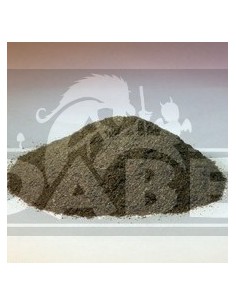
The dried leaves of Salvia divinorum Epling & Játiva represent the closest presentation to the original plant material of this species, preserving the complete foliar anatomical structure after the drying process. They are the baseline reference in the catalog of Salvia divinorum at Edabea, and the starting point for understanding the relationship between the plant material and standardized extracts made from them. With over 15 years of experience in selecting and commercializing ethnobotanical materials, Edabea selects each batch by verifying the morphological consistency of the material with the declared species.
Leaf Anatomy and Distribution of Salvinorin A
The leaf of Salvia divinorum is ovate to elliptical in shape, with an irregular serrated margin, a bright green adaxial (upper) surface, and a paler abaxial (lower) surface. The petiole is winged, a relevant diagnostic characteristic for the botanical identification of the species within the Salvia genus. Leaves can reach between 10 and 30 cm in length under optimal cultivation conditions, with a well-marked pinnate venation.
Salvinorin A (C₂₁H₂₈O₃) is primarily concentrated in the capitate trichomes on the leaf surface — small glandular secretory structures that are preferentially located on the lower side of the leaf. Capitate trichomes differ from simple or tectonic trichomes also present on the leaf surface: the capitate ones have a multicellular glandular head that acts as a reservoir for secondary metabolites, whereas the tectonic ones are protective structures without a secretory function (Valdés, L.J. et al., 1994. Journal of Ethnopharmacology, 43(3), 171–179).
Documented concentrations of salvinorin A in dry leaf range from 0.89 to 3.87 mg per gram of dry material, with variability depending on the geographical origin of the material, cultivation conditions, the phenological state of the plant at the time of collection, and the drying method applied (Valdés et al., 1994, op. cit.). This natural variability is inherent to the plant material and relevant for interpreting the concentrations of standardized extracts, which use an average concentration of the baseline leaf as reference. For a detailed description of salvinorin A and its mechanism of action, you can consult our article what salvinorin A is.
Drying Process and Conservation of Salvinorin A
Drying the leaves of Salvia divinorum is a determining process for the conservation of salvinorin A in the plant material. Low-temperature drying in the absence of direct light is the method that best preserves the integrity of the compound, given that salvinorin A has documented photosensitivity — susceptibility to photochemical degradation due to exposure to ultraviolet radiation and high-energy visible light (Valdés et al., 1994, op. cit.).
For the conservation of the material once received, it is recommended to keep the leaves in an opaque hermetic container, in a cool, dry place, protected from direct light and drastic temperature changes. Inadequate storage can progressively reduce the effective concentration of salvinorin A in the stored material without it being externally visible.
Dried Leaves vs. Extracts — Technical Differentiation
Dried leaves preserve the complete plant matrix: cellulose, chlorophyll, flavonoids, essential oils, and the rest of the secondary metabolites present in the species, as well as salvinorin A. The standardized extracts result from an extraction process with solvents that selectively concentrates salvinorin A, removing most of the remaining plant matrix. The difference is not only quantitative — salvinorin A concentration per gram — but also qualitative: the leaf retains the phytochemical complexity of the whole plant, while the extract is a concentrated fraction of one of its metabolites.
From the perspective of reference botanical material, dried leaf is the presentation that allows for the morphological identification of the species and characterization of the material in its state closest to origin. Extracts, by removing the plant structure, do not allow for morphological verification of the base material.
Etnobotanical Context of Leaf Use
In the Mazateca tradition of the Sierra de Oaxaca, the use of Salvia divinorum in the context of veladas — nighttime sessions for diagnostic and divination conducted by healers (chjota chjine) — is commonly done with fresh leaves, either through direct chewing or preparation in cold infusion. The record of this use was first documented in Western literature by R. Gordon Wasson in 1962 (Wasson, R.G., 1962. Botanical Museum Leaflets, Harvard University, 20(3), 77–84), and ethnopharmacologically systematized by Valdés and colleagues in 1994 (Valdés et al., 1994, op. cit.).
The dried leaves sold as botanical material represent the format most directly related to this documented ethnobotanical tradition, unlike extracts, whose existence is subsequent to the historical use of the plant and responds to a consumption context different from the traditional Mazateca.
Legal Situation
Salvinorin A is included in the lists of controlled substances in several jurisdictions. The legal situation of Salvia divinorum and its derivatives varies by country and can change over time. It is the buyer's responsibility to verify the current regulations in their place of residence before purchasing any product in this category. This product is sold exclusively as botanical collection material and for ethnobotanical research.
Frequently Asked Questions about Salvia divinorum Leaves
What are capitate trichomes and why are they relevant in Salvia divinorum?
Capitate trichomes are secretory glandular structures present on the leaf surface of Salvia divinorum, preferentially located on the lower side of the leaf. They are distinguished from tectonic trichomes — also present on the surface — by their multicellular glandular head, which acts as a reservoir for secondary metabolites. In the case of S. divinorum, capitate trichomes are the anatomical structure where salvinorin A, the main secondary metabolite of the species, is concentrated (Valdés et al., 1994, op. cit.). Their density and distribution on the leaf partly determine the variability in concentration observed among materials from different origins.
Why does salvinorin A concentration vary among different batches of leaves?
The concentration of salvinorin A in dry leaves of Salvia divinorum is not a fixed value but a documented range between 0.89 and 3.87 mg/g, conditioned by multiple factors: the geographical origin of the material and environmental cultivation conditions, the phenological state of the plant at the time of collection — young leaves and more mature ones exhibit different profiles — and the method and temperature of the drying process, given that salvinorin A is susceptible to degradation by heat and light. This variability is inherent to the plant material and does not imply differences in authenticity or quality of the material (Valdés et al., 1994, op. cit.).
What technical difference exists between dried leaf and extract of Salvia divinorum?
Dried leaf preserves the complete plant matrix — cellulose, chlorophyll, flavonoids, essential oils, and the set of secondary metabolites present in the species — along with the naturally documented concentration of salvinorin A for the material. Extracts are the result of an extraction process with solvents that selectively concentrates salvinorin A, removing most of the remaining plant matrix. A 10X extract contains approximately 25 mg/g of salvinorin A compared to the 2.5 mg/g reference of the standard leaf. The difference is not only quantitative but qualitative: the leaf retains the complete phytochemical complexity of the plant, while the extract is a concentrated fraction of one of its metabolites.
What is the geographical origin of the material available at Edabea?
Salvia divinorum is a species with an extremely restricted natural distribution, endemic to humid mountain forest areas of the Mazateca Sierra in Oaxaca (Mexico). In cultivation, the species is usually propagated vegetatively — through cuttings — since the production of viable seeds is very scarce. The material available at Edabea comes from controlled cultivation; for specific inquiries about the origin of the current batch, contact us at contacto@edabea.com.
How to properly preserve Salvia divinorum leaves?
Dried leaves of Salvia divinorum should be stored in an opaque hermetic container, in a cool, dry place, protected from direct light and drastic temperature variations. Salvinorin A has documented photosensitivity — susceptibility to photochemical degradation due to exposure to ultraviolet radiation and visible light — making protection from light particularly important for preserving the integrity of the material over time (Valdés et al., 1994, op. cit.). Proper storage can keep the material in optimal conditions for extended periods.
Document prepared by the specialized team at Edabea Natura, with more than 15 years of experience in selecting and commercializing ethnobotanical materials. The phytochemical and ethnobotanical information is based on cited bibliographic sources and direct knowledge of the material from each batch. Last updated: April 2026. For inquiries about the availability or characteristics of the current batch, contact us at contacto@edabea.com.
Bibliographic References
- Roth, B.L. et al. (2002). Salvinorin A: a potent naturally occurring nonnitrogenous kappa opioid selective agonist. PNAS, 99(18), 11934–11939.
- Valdes, L.J. et al. (1984). Divinorin A, a psychotropic terpenoid. Journal of Organic Chemistry, 49(24), 4716–4720.
- Valdés, L.J. et al. (1994). Ethnopharmacology of ska María Pastora. Journal of Ethnopharmacology, 43(3), 171–179.
- Wasson, R.G. (1962). A new Mexican psychotropic drug from the Mint family. Botanical Museum Leaflets, Harvard University, 20(3), 77–84.