Buy Feminized Marijuana Seeds — Selection of Feminized Seeds at Edabea
Feminized marijuana seeds are genetically treated seeds of Cannabis sativa L. designed to produce female plants in almost 100% of cases. Edabea's feminized catalog includes over 100 references from 11 specialized banks, organized by bank to ease navigation. If you're looking for other types, you can also check out autoflowering seeds, CBD seeds, or return to the general seed category.
What is a Feminized Seed and How is It Obtained?
In cannabis, the sex of the plant is determined by chromosomes: female plants have XX chromosomes and male plants have XY. Regular seeds produce male and female plants in approximately equal proportions. Feminized seeds are obtained through techniques that force a genetically stable female plant to produce female pollen (XX), which is used to pollinate other female plants. The result is seeds with exclusively XX chromosomes that produce female plants with over 99% feminization rates.
The most common techniques to induce pollen production in female plants include silver colloid application, gibberellic acid, or STS (silver thiosulfate). Each bank uses its own protocol. The result is the same in all cases: seeds that eliminate the need to identify and remove male plants during cultivation.
Photoperiod and Growth Cycle of Feminized Seeds
Feminized seeds are photoperiodic: cannabis is a short-day plant that begins flowering when the photoperiod decreases below a certain threshold. In indoor cultivation, this is achieved by changing the light timer from 18 hours of light (vegetative phase) to 12 hours of light / 12 hours of darkness (flowering phase). Outdoors, flowering begins naturally as days shorten toward the end of summer.
This means that the grower controls when flowering starts: the longer the plant is kept in the vegetative phase (18/6), the bigger it will be before flowering. This ability to control the timing of flowering is an advantage of photoperiod feminized seeds compared to autoflowering seeds, which flower based on age regardless of available light.
Available Banks in Edabea's Feminized Catalog
Indica, Sativa, and Hybrids — Cultivation Differences
Within the feminized catalog, varieties are typically classified by their predominant genetics: indica, sativa, or hybrid. This classification has direct implications on cultivation behavior:
Indica Dominant: more compact and bushy stature, short internodes, broad leaves, shorter flowering time (generally 8–9 weeks). More suitable for limited height cultivation spaces. Examples in the catalog: Triple Cheese (Barney's Farm), Chemical Bride (Green House Seeds), Kush Mintz (Barney's Farm).
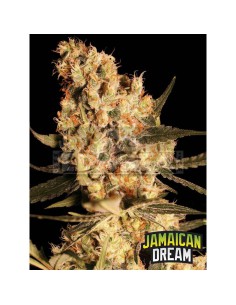
Sativa Dominant: taller and elongated, long internodes, narrow leaves, longer flowering time (10–14 weeks or more). Require more vertical space and tolerate heat better. Examples in the catalog: Jamaican Dream (Eva Seeds), Super Silver Haze (Green House Seeds).
Hybrids: most modern varieties are hybrids that combine characteristics of both genetics in varying proportions. The designation "70% indica / 30% sativa" or similar indicates the proportion of predominant genetics and helps estimate cultivation behavior before choosing a variety.
Preservation of Feminized Seeds
Feminized seeds are preserved in the same conditions as any other cannabis seed: temperature of 4–8°C, relative humidity of 10–20%, and total darkness in an airtight container. Viability is maintained for several years under proper conditions. Exposure to heat, moisture, or light accelerates seed aging and reduces germination rates.
Legal Situation
The sale of cannabis seeds as collectibles is legal in many European countries, although germination and cultivation are subject to the regulations of each jurisdiction. It is the buyer's responsibility to verify the applicable laws in their place of residence before germinating or cultivating. Seeds are sold exclusively as collector's material.
Frequently Asked Questions about Feminized Seeds
What does it mean for a seed to be feminized?
A feminized seed has been treated to produce exclusively female plants — those that develop flowers with resin. Male plants produce pollen and do not develop usable flowers; in a non-pollinated crop, their presence drastically reduces the production of females. Feminization is achieved by forcing a female plant to produce male pollen (XX) using chemical agents like silver thiosulfate or gibberellic acid, then using that pollen to pollinate other females. The result is seeds with exclusively XX chromosomes, producing female plants with rates exceeding 99%.
What is the difference between a feminized seed and a regular one?
Regular seeds produce male and female plants in approximately equal proportions — the grower must identify and remove males before they pollinate females. Feminized seeds eliminate this step by producing female plants in nearly 100% of cases. The downside is that regular seeds allow for breeding by preserving male plants, something feminized seeds do not allow directly.
Do feminized seeds require a light change to flower?
Yes — photoperiod feminized seeds require a change in the light cycle to initiate flowering. In indoor cultivation, the standard is to switch from 18 hours of light (vegetative phase) to 12 hours of light and 12 hours of darkness (flowering phase). Outdoors, flowering begins naturally as the photoperiod shortens at the end of summer. Autoflowering plants, on the other hand, flower based on age without the need for a light change.
What is indica or sativa dominance and how does it affect cultivation?
Indica or sativa dominance refers to the proportion of each genetics in the variety. Indica dominant plants have a compact stature, short internodes, and faster flowering (8–9 weeks) — more suitable for spaces with limited height. Sativa dominant plants grow taller, have long internodes, and longer flowering (10–14 weeks or more) — they require more space but tolerate heat better. Hybrids combine characteristics of both in different proportions. This information appears in the description of each variety and is the most useful criterion for choosing a genetic according to the available cultivation space.
Can I grow feminized seeds outdoors?
Yes — photoperiod feminized seeds are perfectly viable for outdoor cultivation. The natural photoperiod of long days in spring and summer keeps the plant in vegetative phase; when days shorten at the end of summer, the plant naturally initiates flowering. The optimal germination time for outdoor in the Northern Hemisphere is from March to May, when minimum temperatures exceed 10°C, to take advantage of the entire vegetative period before natural flowering.
Selection prepared by the Edabea team. Last updated: April 2026. For inquiries about the availability of a specific variety, contact contacto@edabea.com.