Shopping Cart
There are no more items in your cart

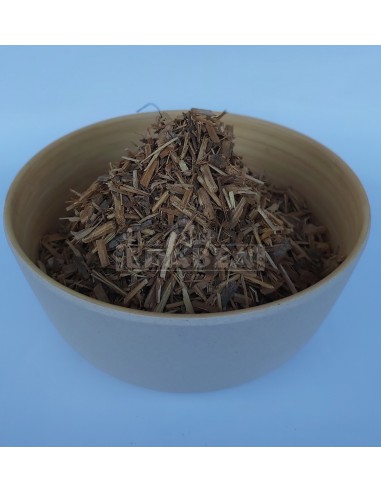
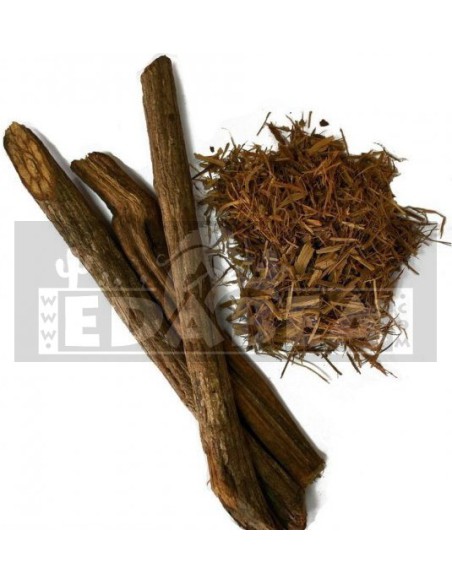
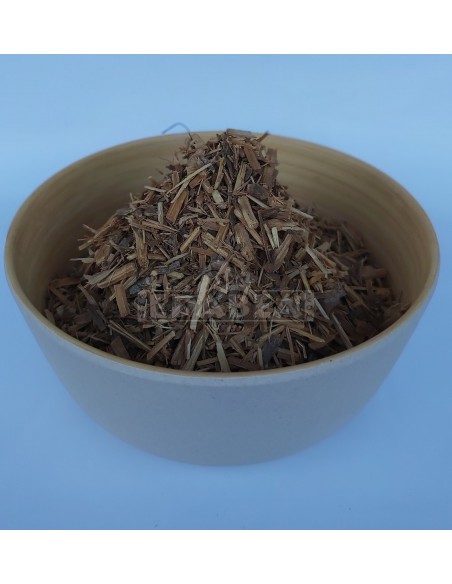
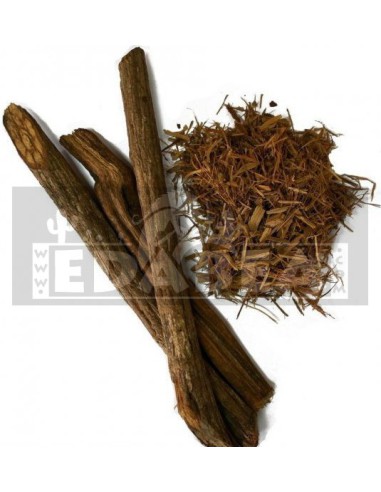
Banisteriopsis muricata, red vine
€16.95
Tax included
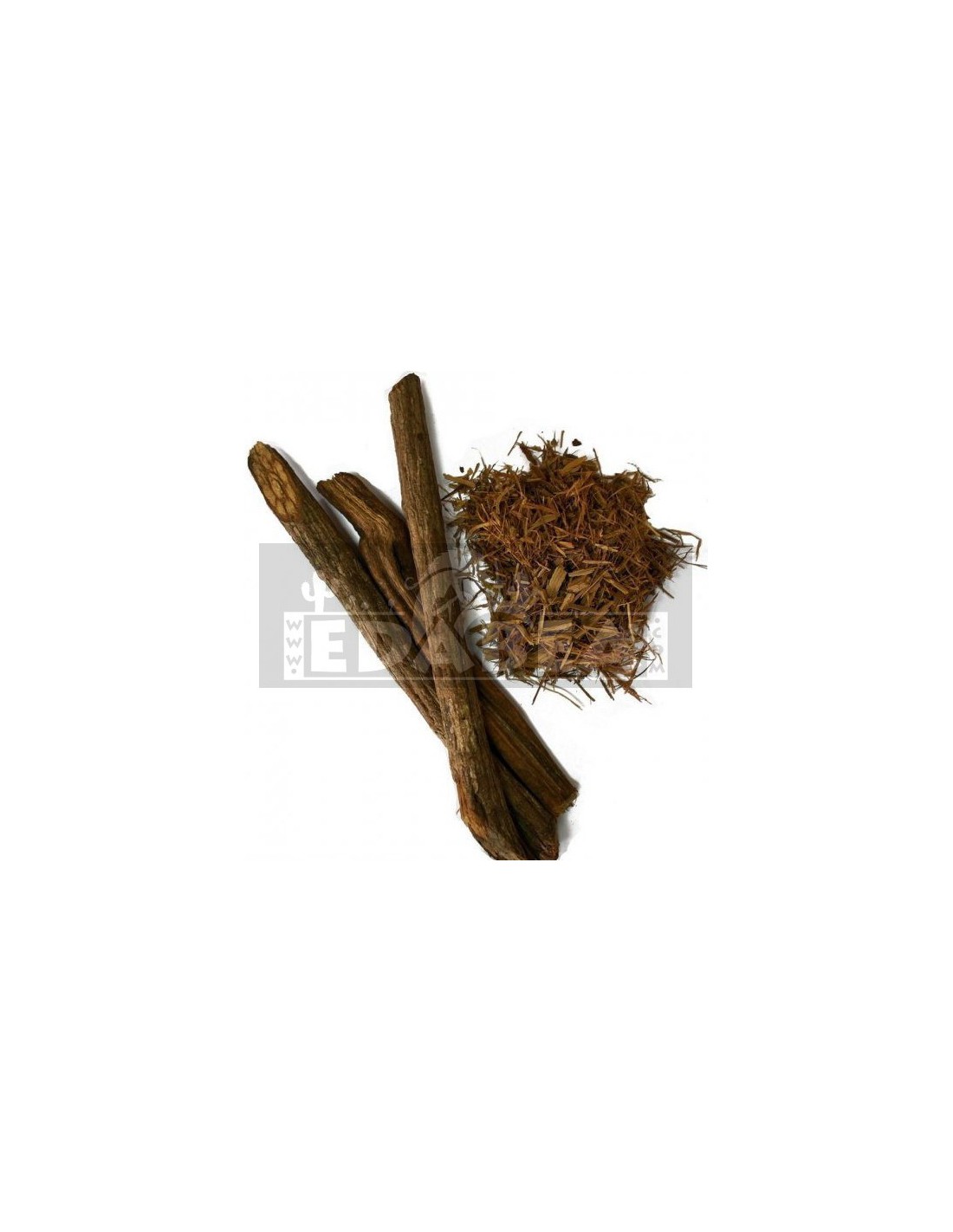
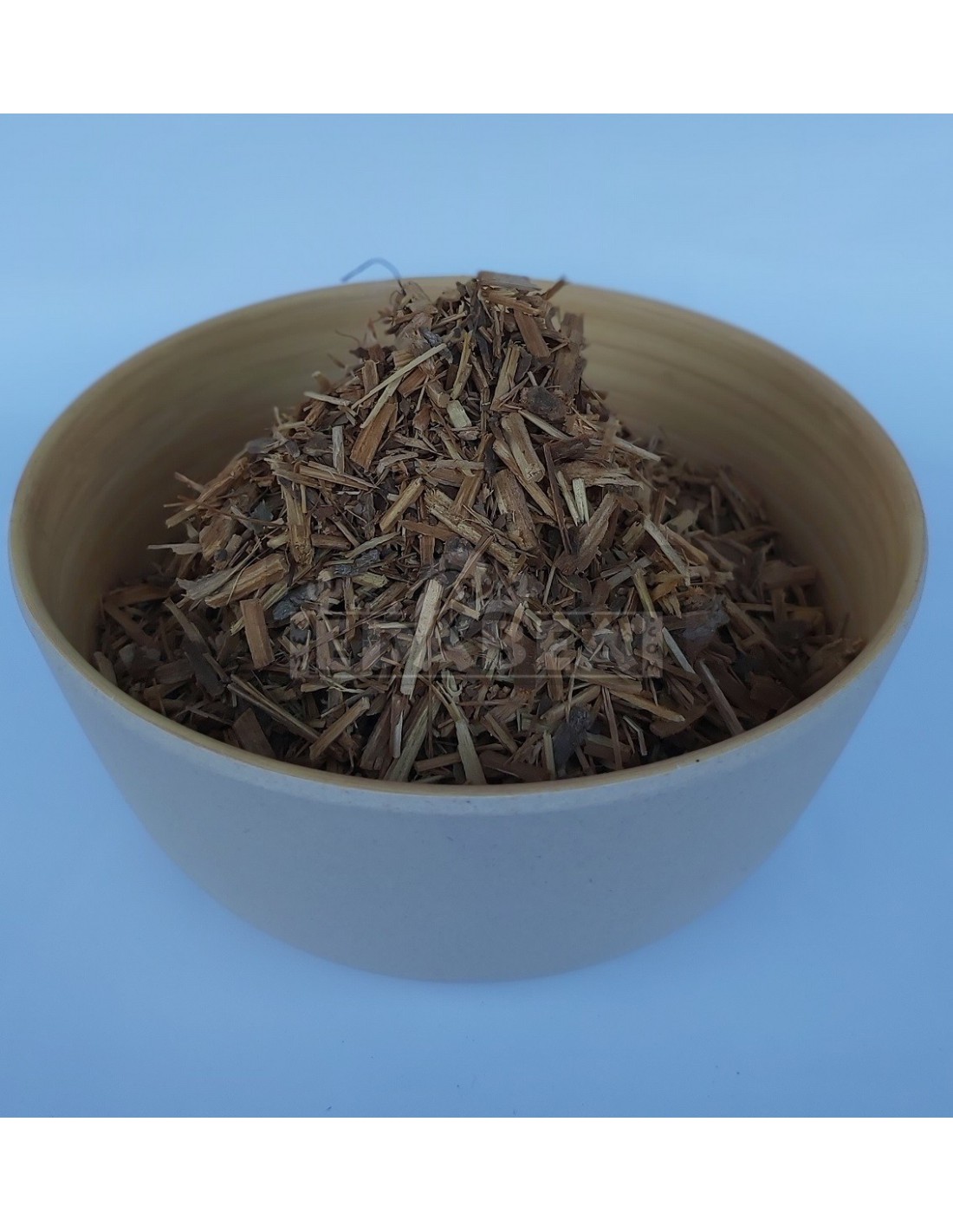
Banisteriopsis muricata, red vine — Amazonian species of the genus Banisteriopsis, botanically distinct from B. caapi with a documented unique alkaloid profile in phytochemical literature. Crushed vine available in 100 g and 500 g. Selected by the Edabea team, with over 15 years of expertise in Amazonian ethnobotany. For botanical collection and ethnobotanical research.
Banisteriopsis muricata red vine | Crushed vine — 100 g and 500 g
Banisteriopsis muricata is a climbing species of the Malpighiaceae family, native to the Amazon basin, belonging to the same genus as Banisteriopsis caapi but botanically distinct. The popular name red vine refers to the characteristic coloration of the stem, one of the morphological criteria used in Amazonian ethnobotanical classification to distinguish it from other vines of the same genus (Schultes & Hofmann, 1979). At Edabea, we offer it in fine crushed format, in presentations of 100 g and 500 g.
Taxonomic position and differences with Banisteriopsis caapi
Banisteriopsis muricata and Banisteriopsis caapi are distinct species within the same genus. Although they share botanical family and Amazonian geographic distribution, they exhibit documented morphological and phytochemical differences. B. muricata has been identified in ethnobotanical literature as a species used in some Amazonian traditions in combination with or as a complement to B. caapi, with its own alkaloid profile including beta-carboline alkaloids (Schultes & Hofmann, 1979; McKenna et al., 1984). The relative proportions of harmine, harmaline, and tetrahydroharmine vary between species and have been analytically characterized in specialized phytochemical literature.
What does the red vine contain — documented alkaloids
Banisteriopsis muricata contains beta-carboline alkaloids — harmine, harmaline, and tetrahydroharmine — whose presence in this species is documented in scientific literature, though to a lesser extent than the profile of B. caapi (McKenna et al., 1984). These compounds exhibit reversible monoamine oxidase (MAO) inhibitory activity, a mechanism well-characterized for the genus Banisteriopsis as a whole (Callaway et al., 1999). We do not have our own laboratory analysis for this reference; the phytochemical information is based on the cited bibliographic sources.
Etnobotanical context
The genus Banisteriopsis is documented in ceremonial use by over 70 indigenous peoples of the Amazon basin. Banisteriopsis muricata is referenced in ethnobotanical literature as a known and used species in some Amazonian traditions, although with a documented presence smaller than B. caapi, which is the central component of the traditional preparation known as ayahuasca (Schultes & Hofmann, 1979; Luna, 1986).
The ethnobotanist Richard Evans Schultes documented several species of the genus Banisteriopsis during his decades of fieldwork in the Amazon, collected in Plants of the Gods (1979, with Albert Hofmann), a fundamental reference work for Amazonian ethnobotany.
To expand on the botanical and ethnobotanical context of this species and its relationship with other vines in the catalog, you can consult our ayahuasca section.
Conservation
The crushed vine is sensitive to moisture and temperature changes. To maintain its stability over time:
- Store in a well-sealed container, preferably airtight.
- Keep in a cool, dry place protected from direct light.
- Avoid moisture, prolonged heat, and cross-contamination with other materials.
Frequently asked questions about Banisteriopsis muricata
What distinguishes Banisteriopsis muricata from Banisteriopsis caapi?
They are botanically distinct species within the same genus. B. caapi is the central component of the traditional Amazonian preparation known as ayahuasca and the most widely documented species in the phytochemical and ethnobotanical literature of the genus. B. muricata — known as red vine due to the characteristic color of its stem — has its own documented alkaloid profile and is referenced in some Amazonian traditions, although with lesser extent in the available literature (Schultes & Hofmann, 1979).
What alkaloids does the red vine contain?
Phytochemical literature documents the presence of beta-carboline alkaloids in Banisteriopsis muricata — harmine, harmaline, and tetrahydroharmine — the same profile of compounds present in B. caapi, although with different relative proportions between species (McKenna et al., 1984). We do not have our own laboratory analysis for this reference.
Why is it called red vine?
The name refers to the characteristic reddish coloration of the stem of Banisteriopsis muricata, one of the morphological criteria used in Amazonian ethnobotanical classification to distinguish different species and varieties of the genus Banisteriopsis. It is a traditional classification criterion, not a formal taxonomic designation (Schultes & Hofmann, 1979).
What format is more suitable, 100 g or 500 g?
The 100 g format is suitable for botanical collection, archiving, or initial study of the material. The 500 g format is geared towards researchers or collectors working with larger volumes or wanting a broader batch reference for phytochemical comparisons between species of the genus Banisteriopsis.
What is the legal status of Banisteriopsis muricata?
The legal status may vary by jurisdiction. It is the buyer's responsibility to verify the applicable regulations in their place of residence. This product is marketed exclusively as botanical collection material and ethnobotanical research.
About this content
This sheet was prepared by the specialized team at Edabea Natura, with over 15 years of experience in the selection and marketing of Amazonian ethnobotanical materials. The phytochemical and ethnobotanical information is based on the cited bibliographic sources and direct knowledge of the material. We do not have our own laboratory analysis for this reference. Last updated: April 2026. For inquiries about availability or characteristics of the current batch, contact at contacto@edabea.com.
References: Callaway, J.C. et al. (1999). Pharmacokinetics of hoasca alkaloids in healthy humans. Journal of Ethnopharmacology, 65(3), 243–256. — Luna, L.E. (1986). Vegetalismo: Shamanism among the Mestizo Population of the Peruvian Amazon. Stockholm: Almqvist & Wiksell. — McKenna, D.J., Towers, G.H.N. & Abbott, F. (1984). Monoamine oxidase inhibitors in South American hallucinogenic plants. Journal of Ethnopharmacology, 10(2), 195–223. — Schultes, R.E. & Hofmann, A. (1979). Plants of the Gods. New York: McGraw-Hill.
GA
16 Items
Related articles on blog

Tap to zoom