
Shopping Cart
There are no more items in your cart


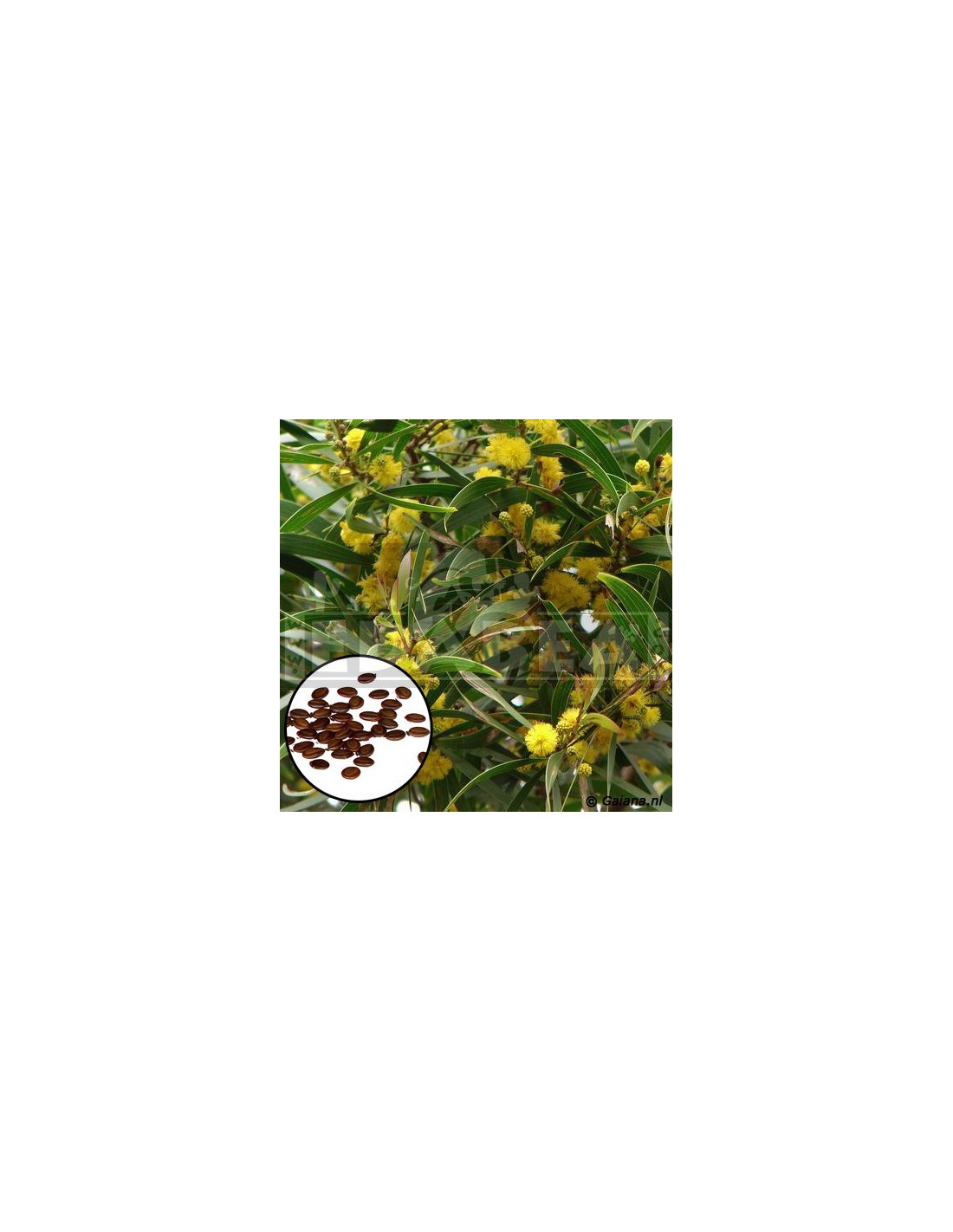
Acacia Confusa 20 Seeds
€10.95
Tax included
Acacia confusa — 20 seeds for botanical collection. A perennial tree native to Taiwan and the Philippines, widely distributed in the tropical Pacific. Can reach 15 meters in height and is known for its dense wood and bark with a phytochemical profile documented in scientific literature. Quick germination with prior hot water treatment. Botanical collection and ethnobotanical research material.
Ratings and comments from our customers
What is Acacia confusa
Acacia confusa is a perennial tree belonging to the Fabaceae family, native to Taiwan and the Philippines, where it grows naturally on mountainous slopes and subtropical forests. Its distribution has extended throughout the tropical Pacific — Hawaii, Guam, the Mariana Islands, and other Pacific islands — where in some cases it has been classified as an invasive species due to its rapid colonization of disturbed lands.
It can reach up to 15 meters in height under favorable conditions. Its bark and roots contain tryptamine alkaloids — primarily DMT — documented in specialized phytochemical literature, which has generated interest in ethnobotanical and ethnopharmacological research in the Pacific region.
Botanical Description
Acacia confusa exhibits a characteristic morphology within the genus: its true leaves have been evolutionarily replaced by phyllodes — flattened petioles that perform photosynthesis — dark green in color and lanceolate in shape, giving it a distinct appearance compared to other acacias with pinnate leaves. It produces fragrant yellow flowers grouped in spherical heads, and its fruits are elongated and flattened pods that contain between 3 and 8 seeds.
It is a fast-growing species with exceptionally dense wood — having one of the highest densities among Taiwan's woods — making it valuable for industrial and craft applications. In Taiwan, it has been widely used for slope stabilization and reforestation of degraded lands, taking advantage of its nitrogen-fixing capability and tolerance to poor soils.
Ethnobotanical Context
Acacia confusa is primarily known in modern ethnobotany for the phytochemical profile of its bark and roots, which contain tryptamine alkaloids — primarily DMT — documented in scientific publications on phytochemistry. This feature places it among plants of interest in ethnopharmacological research in the Asian Pacific.
In Taiwan, the plant has a documented presence in the material culture of the island's indigenous tribes, where its dense wood was used in traditional carpentry and construction. Its bark has also been studied in the context of traditional Chinese medicine, though without the historical documentation level of other species within the genus on the Asian continent.
Cultivation
Seeds of Acacia confusa germinate easily if an appropriate prior treatment is done:
- Thermal Treatment: boil water, remove from heat, and let cool for 15 minutes. Soak the seeds in the warm water and let them rest until they germinate, changing the water daily to prevent bacteria and mold development.
- Optional Scarification: make a small incision with sandpaper on the seed coat to facilitate water absorption and speed up germination.
- Germination: between 10 and 15 days under optimal conditions. Seeds that do not germinate in the first cycle may undergo the same process again.
- Transplanting: once germinated, transplant to well-drained soil.
- Substrate: adaptable to practically any type of soil. Prefers well-drained soils with good moisture.
- Light: full sun exposure.
- Temperature: tropical or subtropical. Does not tolerate frost.
- Watering: regular during establishment. Once mature, it is relatively resistant to drought periods.
Legal Aspects
Seeds of Acacia confusa are not included in the lists of controlled substances in Spain or in most countries of the European Union. However, the legal situation may vary by jurisdiction. It is the buyer’s responsibility to inform themselves about the applicable regulations in their place of residence before placing any order.
This product is sold exclusively as botanical collection and ethnobotanical research material.
Frequently Asked Questions
Why does Acacia confusa not have normal leaves?
The green structures that resemble leaves in Acacia confusa are actually phyllodes — flattened petioles that have taken on the photosynthetic function of true leaves. This evolutionary adaptation is characteristic of several species of the Acacia genus originating from Australia and the Pacific, and reduces water loss in drought conditions.
Why is it considered invasive in Hawaii?
Its rapid growth, tolerance to poor soils, and nitrogen-fixing capacity enable it to quickly colonize disturbed lands, competing with native vegetation on the Pacific islands. In Hawaii, it is classified as an invasive species in some areas, although in Taiwan — its area of origin — it is widely used for reforestation and slope stabilization.
How long does it take to germinate?
With hot water treatment and daily water changes, between 10 and 15 days. Pre-scarification can accelerate the process.
Is it legal to buy Acacia confusa seeds in Spain?
Seeds of Acacia confusa are not included in the lists of controlled substances in Spain or in most countries of the European Union. It is advisable to verify local regulations before purchasing.
GA
7 Items
Tap to zoom
