Shopping Cart
There are no more items in your cart
What DMT is and what it is used for | EDABEA
Categories :
Ayahuasca
DMT
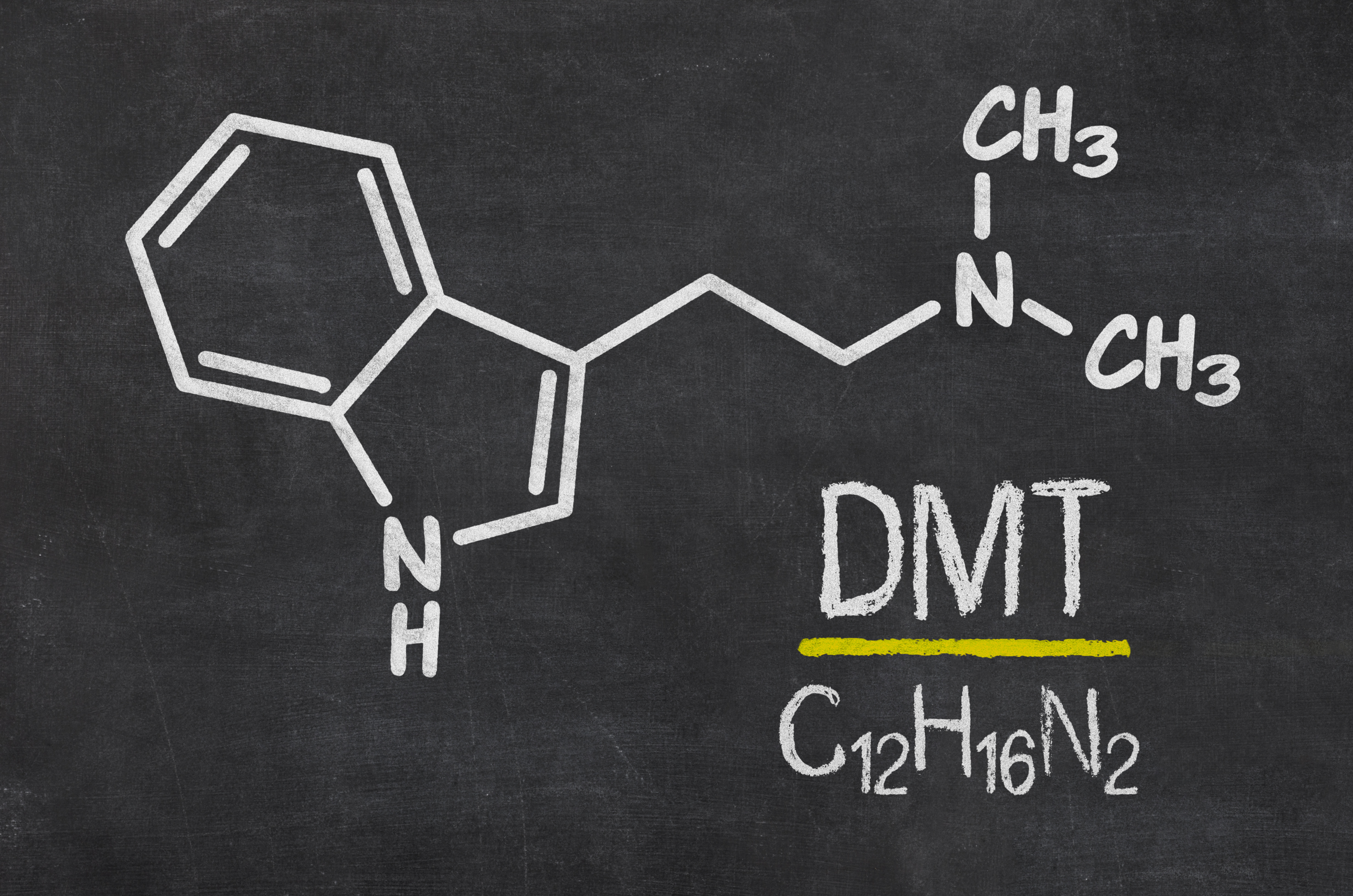
DMT, also known as dimethyltryptamine, is a psychedelic compound found in various plants and animals, including certain types of cacti, ayahuasca, and the human pineal gland. It is one of the most powerful psychedelic substances and also one of the least understood.
DMT is typically consumed in the form of white powder or crystals, and it can be smoked, inhaled, or drunk as a tea or infusion. Its effects are short-lived, usually lasting between 5 and 30 minutes, but they can be extremely intense and even traumatic for some individuals.
History of DMT
DMT has been used for centuries in rituals and ceremonies of indigenous cultures of South America, where it is consumed in the form of ayahuasca, a psychoactive brew made from a mixture of plants. It was first synthesized in 1931 by the Canadian chemist Stephen Szára, who investigated its psychoactive properties. Since then, DMT has been the subject of study and experimentation by scientists and psychedelic enthusiasts around the world.
How DMT Acts on the Brain
Although little is known about exactly how DMT acts on the human brain, it is believed to interact with serotonin receptors, leading to increased brain activity and changes in perception and consciousness. The psychedelic effects of DMT are similar to those of other psychedelic substances such as LSD, psilocybin, and mescaline.
Effects of DMT
The effects of DMT can be extremely intense and vary from person to person. Some users report profound and transformative spiritual experiences, while others describe more negative and disturbing experiences. The physical effects of DMT may include tachycardia, high blood pressure, nausea, and vomiting.
The psychological effects of DMT are also very intense. Users may experience radical changes in their perception of themselves, time, space, and reality in general. They may also experience vivid visual hallucinations and alterations in thought and cognition.
The Use of DMT in Therapy
DMT has been investigated in the field of psychotherapy and has shown potential therapeutic value for the treatment of anxiety, depression, and other mental disorders. However, more research is required to determine its effectiveness and safety in a therapeutic setting.
The Use of DMT in Spirituality
DMT has also been used in spiritual and religious contexts as part of rituals and ceremonies in various indigenous cultures.
Psychiatrist Rick Strassman, who conducted a study on the effects of DMT in humans in the 1990s, suggests that DMT may be related to religious and spiritual experiences across different cultures and religions worldwide. Strassman observed that many of his subjects reported encounters with beings or divine entities during their DMT experiences, suggesting a possible connection between the molecule and religious experience.
DMT has been studied by many researchers and scientists over the years, both in humans and animals. Some studies have shown that DMT may have therapeutic properties, such as reducing anxiety and depression. It has also been shown to increase creativity and problem-solving abilities.
However, studies on the long-term effects of DMT are limited, and its recreational use may also have negative health consequences.
Despite the potential risks, DMT remains a topic of interest for the scientific and spiritual communities. Many people use it in religious ceremonies and in search of profound spiritual experiences. Some researchers have even suggested that DMT may be related to near-death experiences and could be a useful tool for better understanding human consciousness.
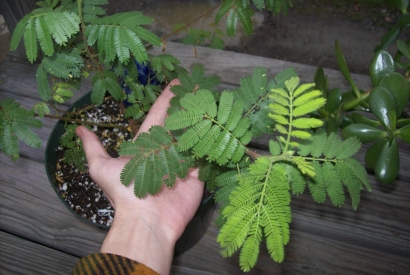
Many of the plants that contain DMT, such as Mimosa Hostilis, have traditionally been valued not only for their alkaloid content but also for their ethnobotanical properties. If you would like to explore this species in more depth, you can read our full article on Mimosa Hostilis, the Tree of Regeneration.
If you want to learn more about one of the plants most closely linked to ethnobotanical interest around DMT, you can also read our article on Mimosa Hostilis: origin, cultivation, harvest and traditional uses.
Some Plants That Contain DMT:
The percentage of DMT in these plants can vary depending on several factors such as geographic region, season, plant age, and extraction method. Below are some approximate DMT content values reported in the literature:
Mimosa tenuiflora (also known as Mimosa Hostilis, Jurema, or Tepezcohuite): 0.31% to 1.8%
Diplopterys cabrerana (Chaliponga): 0.36% to 1.2%
Psychotria viridis (Chacruna): 0.1% to 0.61%
Acacia spp. (especially Acacia confusa and Acacia acuminata): 0.5% to 2.5%
Desmanthus illinoensis: 0.05% to 0.36%
Phalaris arundinacea (reed canary grass): 0.005% to 0.09%
Phalaris brachystachys: 0.2% to 0.5%
Virola spp.: 0.1% to 0.8%
It is important to note that DMT in these plants is generally not orally active without specific preparation methods. Additionally, its use may be illegal in some countries, so it is essential to research local laws before attempting to use any of these plants.
Frequently Asked Questions (FAQ)
What exactly is DMT?
DMT (dimethyltryptamine) is a naturally occurring psychedelic compound found in various plants and in small amounts in the human body. It is known for producing intense, short-lasting experiences.
How long do the effects of DMT last?
When smoked or inhaled, the effects typically last between 5 and 30 minutes. In traditional preparations such as ayahuasca, the experience can last significantly longer.
Is DMT legal?
The legal status of DMT varies by country. In many places, it is classified as a controlled substance. It is important to check local regulations before possessing or using any substance or plant that contains it.
Does DMT have therapeutic uses?
Preliminary research suggests it may have potential in treating conditions such as anxiety and depression, but further scientific evidence is needed to confirm its safety and effectiveness.
Do all DMT-containing plants produce effects if ingested?
No. In most cases, DMT is not orally active unless combined with MAO inhibitors, as in traditional ayahuasca preparations. Therefore, traditional use involves specific preparation processes.
Share this content