Shopping Cart
There are no more items in your cart

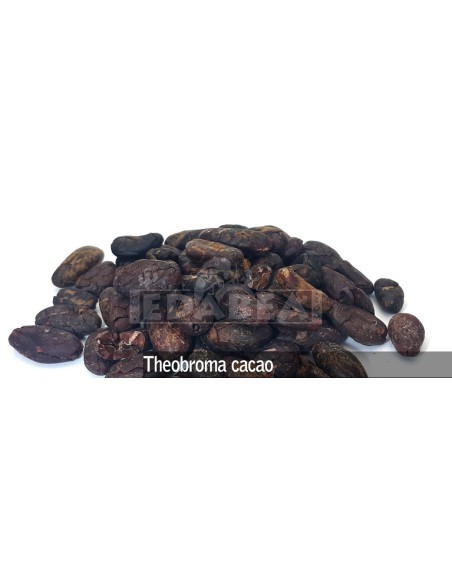
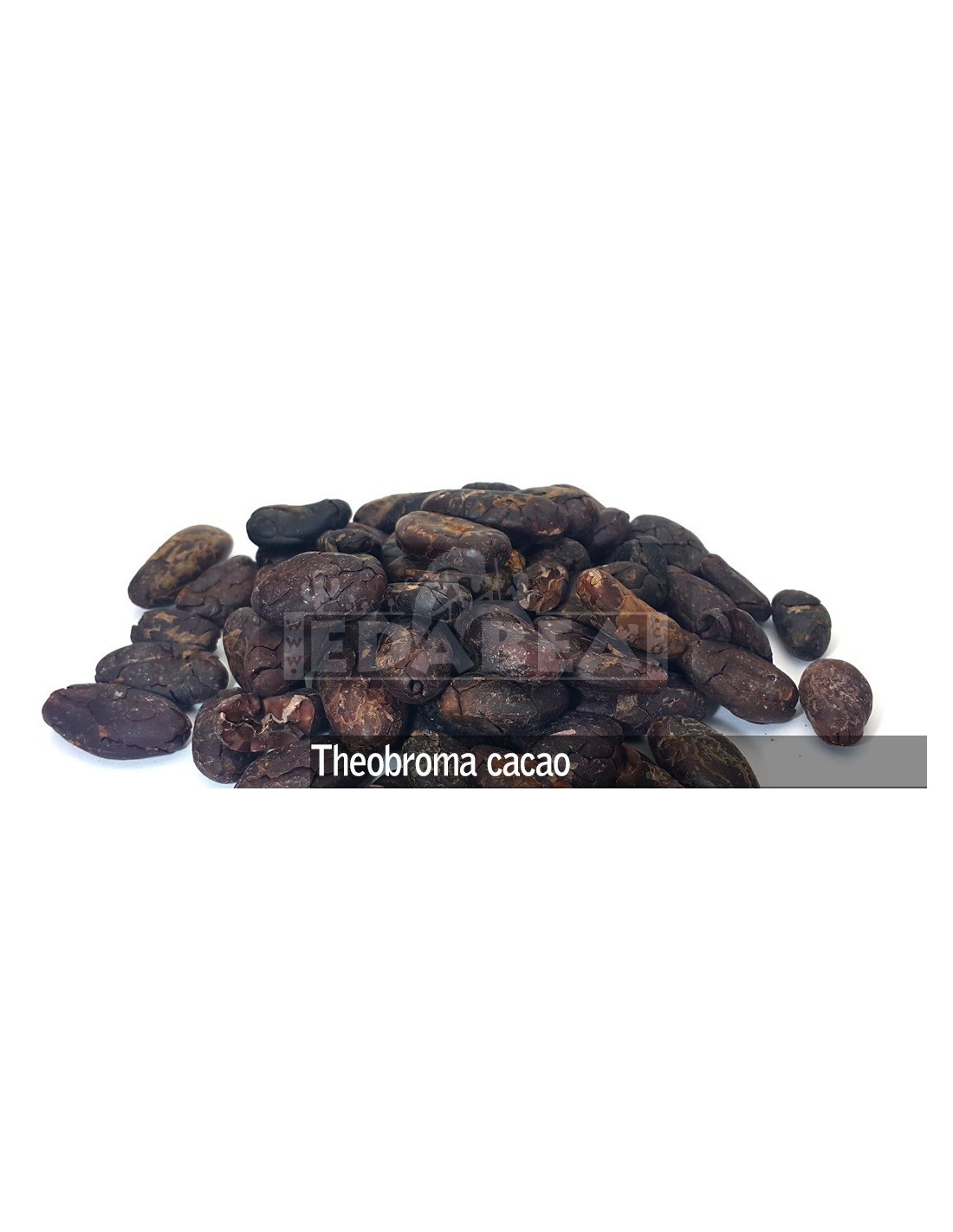
Theobroma Cacao - 100 g Beans
€9.75
Tax included
Cacao (Theobroma cacao) — dry and fermented beans, 100 g. Seeds of the species with the greatest cultural relevance in the history of Mesoamerica, with over 3,000 years of documented use among the Olmec, Maya, and Aztec peoples. They contain theobromine, caffeine, and phenylethylamine. Botanical collection material.
Ratings and comments from our customers
Cacao — Product Information
The cacao (Theobroma cacao) is a tree of the Malvaceae family native to the tropical lowlands of Central and South America. It comes in the form of 100 g dry and fermented beans — seeds of the cocoa fruit in their closest state to the original, after the fermentation and drying process that develops the characteristic aromatic profile.
Etimology — "Food of the Gods"
The scientific name Theobroma was assigned by Carl von Linné in 1753, combining the Greek words theos (god) and broma (food) — "food of the gods." This name reflects the sacred status cacao held in Mesoamerican cultures when European naturalists began to study it systematically. The term cacao comes from Nahuatl cacahuatl, which designated both the seed and the beverage made from it.
Ethnobotanical History and Context
Cacao has one of the most documented cultural trajectories in the Americas. The earliest archaeological evidence of its use dates back to the Olmecs of the Gulf of Mexico around 1500 BCE. The Maya extensively cultivated it and integrated it into their religious worldview — cacao appears in the Popol Vuh, the sacred Maya text, and in numerous ceramic and codex representations as a ritual offering and ceremonial beverage.
Among the Aztecs, cacao reached an unparalleled economic and ceremonial status — the beans served as currency, and the beverage made from them, xocolātl ("bitter water" in Nahuatl), was a privilege reserved for the warrior and religious elite. Hernán Cortés documented the consumption of xocolātl at the court of Moctezuma II in 1519.
Cacao reached Europe in the 16th century, and its popularization as chocolate — with added sugar and milk — radically transformed European diets from the 17th century onward. Spain maintained a monopoly on cacao trade for nearly a century before it spread to the rest of Europe.
Phytochemical Profile
Beans from Theobroma cacao contain a notable concentration of methylxanthines and other bioactive compounds. Per 100 g of cacao solids:
| Compound | Approximate Concentration |
|---|---|
| Theobromine | ~2,057 mg |
| Caffeine | ~230 mg |
| Phenylethylamine | present in trace amounts |
The theobromine is the dominant methylxanthine in cacao — unlike coffee, where caffeine is the principal compound. Theobromine acts on the cardiovascular and respiratory systems differently from caffeine and is the compound responsible for chocolate's toxicity in dogs and cats, which cannot metabolize it effectively. Phenylethylamine is a neuroactive compound also present in trace amounts in cacao, studied in modern neurochemical research.
The Fermentation and Drying Process
Cacao beans in their natural state are bitter and astringent. The fermentation process — which lasts 5 to 7 days in heaps covered with banana leaves — is essential for developing the characteristic flavor and aroma profile. During fermentation, the yeasts and bacteria present transform the sugars from the pulp surrounding the bean, generating heat and compounds that modify the chemical composition within. The subsequent drying — under the sun for 1 to 2 weeks — stops the fermentation and reduces moisture to a stable level for storage.
Storage
Store in a cool, dry place, away from direct light, in an airtight container. Cacao beans easily absorb environmental odors — keep them away from spices or other strongly aromatic products.
Legal Aspects
Theobroma cacao is completely legal with no regulatory restrictions. The legal situation may vary by jurisdiction. This product is marketed solely as botanical collection material.
Frequently Asked Questions
Why is chocolate toxic to dogs?
Because of theobromine. Dogs and cats metabolize theobromine much more slowly than humans — the half-life in dogs is about 18 hours compared to 6-10 hours in humans. This accumulation causes symptoms of poisoning that can be serious depending on the animal's weight and the amount ingested. Dark chocolate, with a higher concentration of cacao solids, is the most dangerous. Pure cacao beans are even more concentrated in theobromine than chocolate.
What is the difference between theobromine and caffeine?
Both are methylxanthines — compounds of the same chemical group — but with slightly different structures and mechanisms of action. Caffeine primarily acts as an antagonist of adenosine receptors in the central nervous system, with a quick stimulating effect. Theobromine has a milder effect on the nervous system but acts more intensely on the cardiovascular system and bronchi. In cacao, theobromine exceeds caffeine in concentration by a factor of approximately 9 to 1.
What is xocolātl?
Xocolātl is the beverage made with cacao in Aztec culture — the Nahuatl term roughly translates to "bitter water." It was a cold, unsweetened drink made with ground cacao beans, water, chili, and other spices and whipped to produce foam. It was mainly consumed by the Aztec warrior and religious elite. The sweet, hot drink we know today as hot chocolate is a European transformation of this original preparation, with the addition of sugar and milk.
How does it differ from commercial cocoa powder?
Whole cacao beans retain all their original components — cocoa butter, solids, and all their phytochemical compounds. Commercial cocoa powder is the result of an industrial process that removes most of the cocoa butter through pressing, concentrating the remaining solids. This reference refers to whole fermented and dried beans, without any further processing.
8 Items
Tap to zoom