Shopping Cart
There are no more items in your cart

Spirulina (Arthrospira platensis) 100 g
Last items in stock
€8.45
Tax included
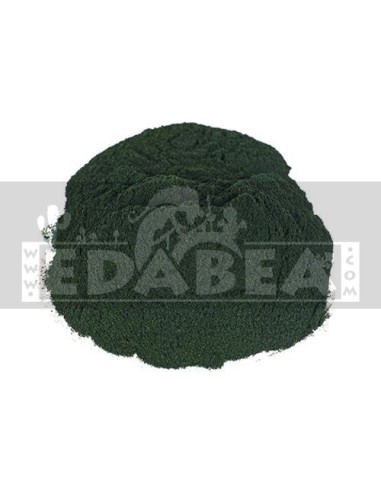
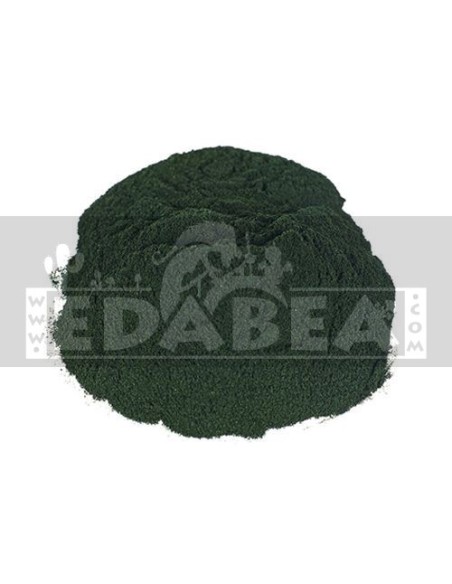
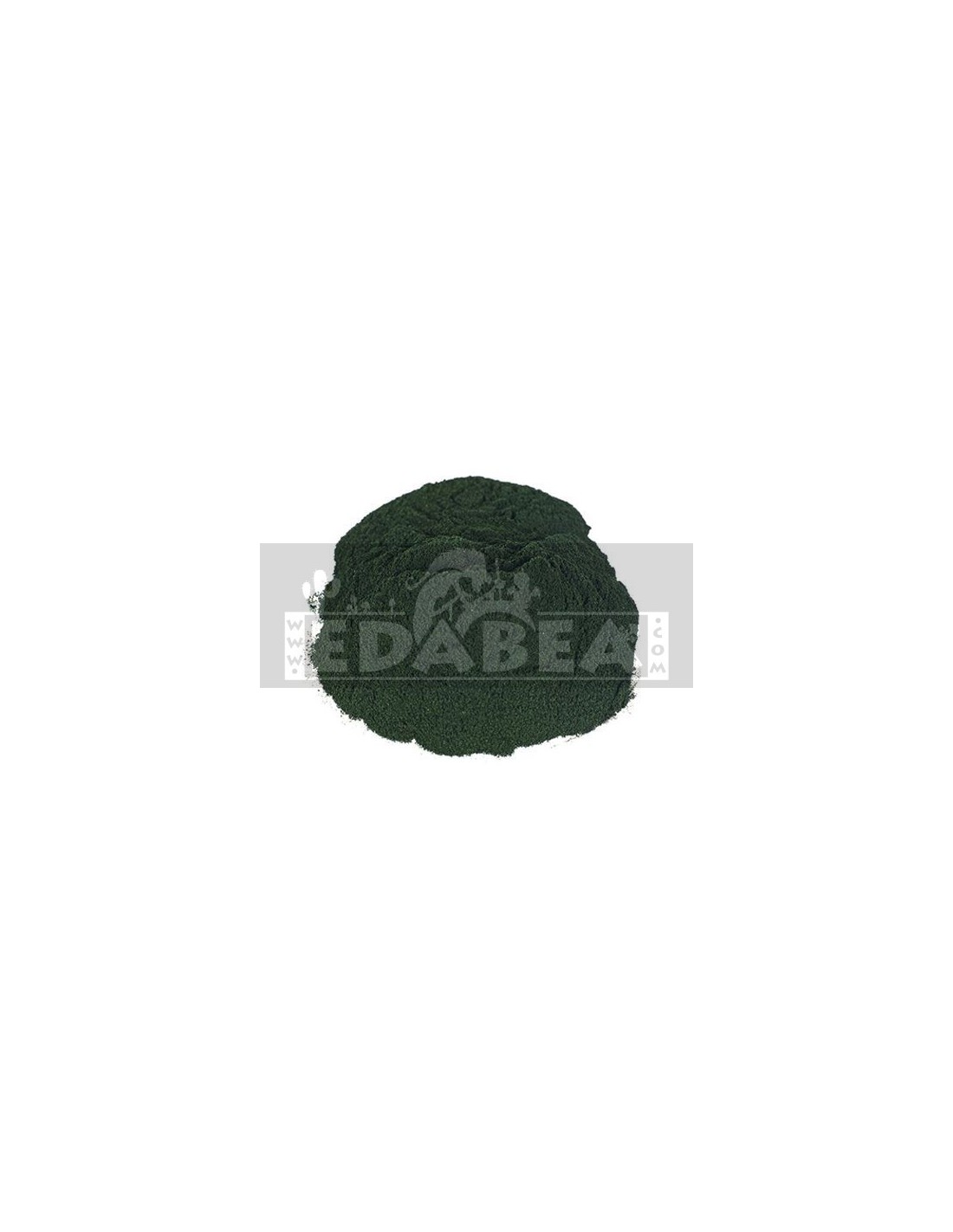
Spirulina (Arthrospira platensis) — powder, 100 g. Filamentous cyanobacteria with a helical morphology, bluish-green due to its chlorophyll and phycocyanin content. Consumed by the Aztecs under the name tecuitlatl, rediscovered in Lake Texcoco in the 1960s and studied by FAO and NASA as a compact source of nutrition. Botanical collection material.
Ratings and comments from our customers
Spirulina — Product Information
Spirulina (Arthrospira platensis) is a filamentous cyanobacteria — not a plant or algae in the strict sense, but a photosynthetic prokaryotic bacterium — that naturally grows in tropical and subtropical alkaline lakes. It comes in a powder form of 100 g, with a distinctive deep green color.
Why Spirulina is not a Plant or Alga
Spirulina belongs to the domain Bacteria — it is a cyanobacteria, also known as blue-green algae, although this popular term is botanically incorrect. Unlike true algae, which are eukaryotic organisms with defined cellular nuclei, cyanobacteria are prokaryotic — their cells lack membrane-bound nuclei. However, they are photosynthetic organisms that produce oxygen, much like plants, making them one of the most important groups in the history of life on Earth — cyanobacteria are responsible for oxygenating Earth's atmosphere around 2.4 billion years ago.
Etiology and Morphology
The name Spirulina refers to the characteristically helical morphology of its filaments — from the Latin spira (spiral). The current scientific name Arthrospira platensis reflects a later taxonomic reclassification that distinguishes this genus from the true genus Spirulina, although the commercial name "spirulina" remains in use due to tradition and market recognition.
The characteristic bluish-green color of spirulina is due to the simultaneous presence of chlorophyll — which gives it the green color — and phycocyanin, a blue protein pigment exclusive to cyanobacteria and some red algae. Phycocyanin is also the most studied compound of spirulina in modern phytochemical research.
History — From Lake Texcoco to NASA
Spirulina has a dual documented history: a pre-Columbian and a modern one. The Aztecs harvested a cyanobacteria from Lake Texcoco — the lake where Tenochtitlán, now Mexico City, was built — known as tecuitlatl, which they pressed into dry cakes and consumed as food. The Franciscan chronicler Bernardino de Sahagún described it in the 16th century in his General History of the Things of New Spain.
The species was scientifically rediscovered in the 1960s by researchers from the French Institute of Petroleum in Lake Texcoco and, almost simultaneously, by the Belgian Jean Léonard in Lake Chad (Central Africa), where local populations of the Kanembu people harvested it and consumed it in dry cakes called dihe — a parallel use to the Aztec documented independently across two continents.
In the 1970s, the FAO and the WHO studied spirulina as a high-density protein source to combat malnutrition in developing countries. NASA investigated it as a potential food for long-duration space missions due to its high nutrient concentration in low weight and volume — one gram of dry spirulina contains more protein by weight than any conventional food.
Phytochemical Profile
Arthrospira platensis is notable for its concentration of compounds in dry weight:
- Proteins — approximately 55-70% of dry weight, containing all essential amino acids
- Phycocyanin — blue protein pigment, 15-20% of dry weight in some sources
- β-carotene and other carotenoids
- Gamma-linolenic acid (GLA) — omega-6 fatty acid rarely found in non-animal sources
- Chlorophyll a
- Minerals: iron, magnesium, potassium, calcium
Storage
Store in a cool, dry place shielded from direct light, in a sealed container. Phycocyanin and carotenoids are sensitive to degradation from exposure to light and heat. Once opened, seal tightly after each use.
Legal Aspects
Arthrospira platensis is completely legal without any regulatory restrictions. The legal status may vary by jurisdiction. This product is marketed exclusively as botanical collection material.
Frequently Asked Questions
Why did the Aztecs and Africans from Lake Chad consume spirulina independently?
Because Arthrospira platensis naturally grows in alkaline tropical lakes on both continents — Lake Texcoco in Mexico and Lake Chad in Central Africa. Two cultures without contact discovered independently that this cyanobacteria was edible and nutritious and developed similar methods of harvesting and drying into cakes. It is one of the most documented examples of cultural convergence in the use of a natural organism.
What is phycocyanin and why is it relevant?
Phycocyanin is a blue protein pigment exclusive to cyanobacteria and some red algae. It is the compound that gives spirulina its characteristic bluish-green color and is the most studied in modern phytochemical research on this species. It is also the active ingredient in natural blue food colorants approved in the EU — "spirulina blue" is one of the few naturally derived blue colorants available in the food industry.
What is the difference between spirulina and chlorella?
Although both are commonly marketed together in the supplement market, they are completely distinct organisms. Spirulina (Arthrospira platensis) is a prokaryotic cyanobacteria. Chlorella (Chlorella vulgaris) is a unicellular eukaryotic green algae — with a defined cellular nucleus. They have different compound profiles: spirulina is known for its phycocyanin and protein; chlorella is known for its chlorophyll and the so-called "chlorella growth factor" (CGF).
1 Item
Tap to zoom