Shopping Cart
There are no more items in your cart

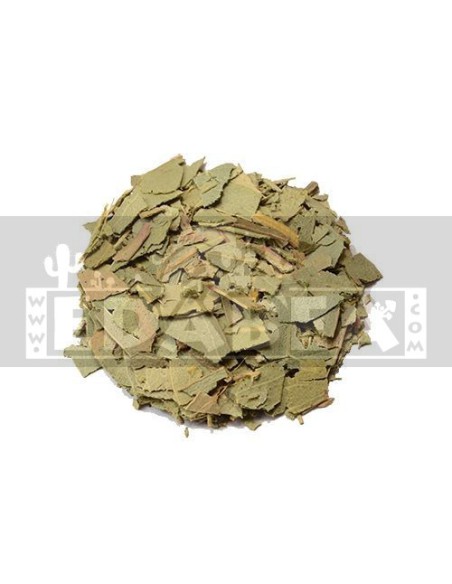
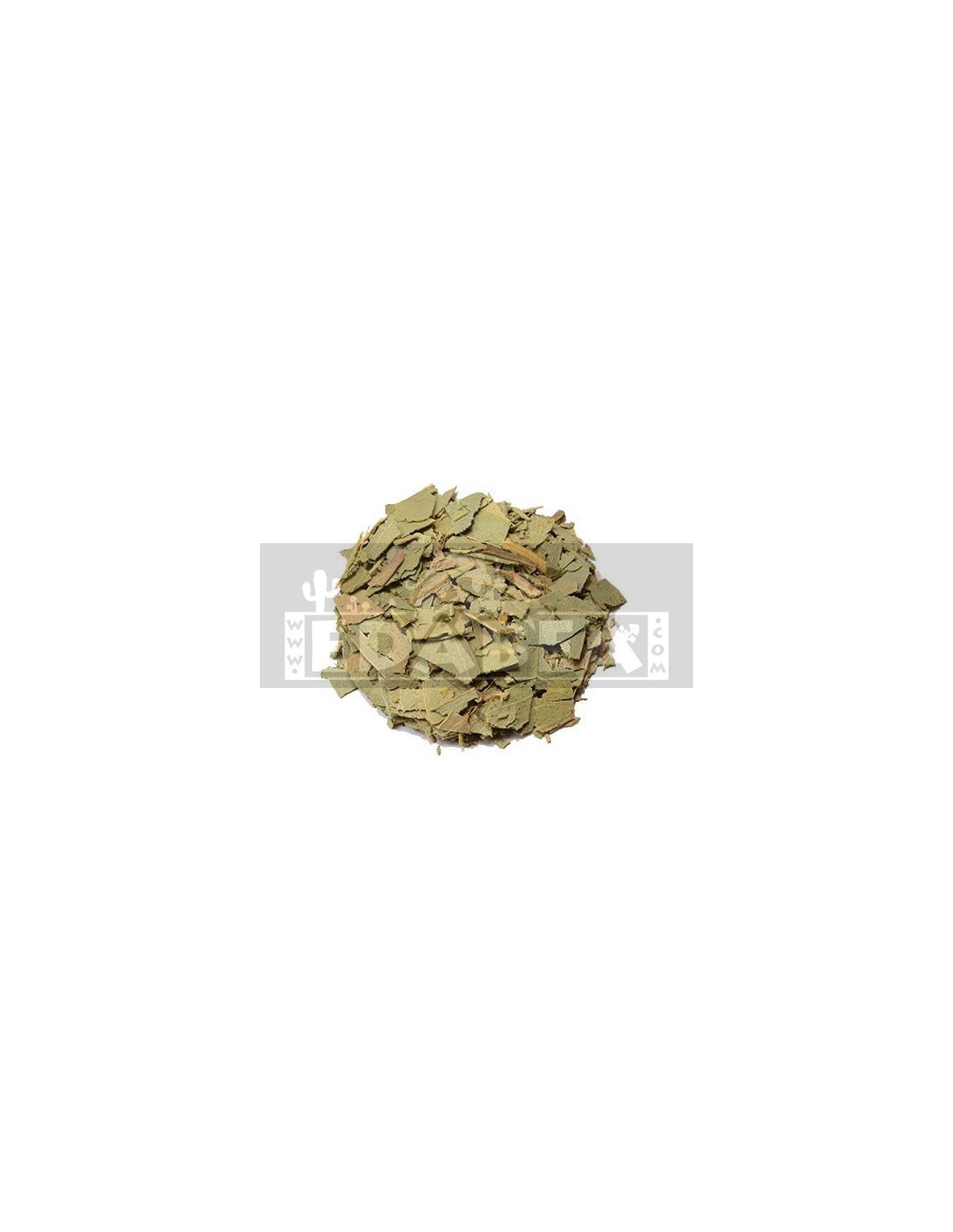
Eucalyptus (Eucalyptus globulus) 100 g.
€6.40
Tax included
Eucalyptus (Eucalyptus globulus) — dried leaves, 100 g. A tree from the family Myrtaceae native to Tasmania and southeastern Australia, introduced to Europe and America in the 19th century. Its leaves contain essential oil rich in eucalyptol (1,8-cineole), the most studied compound of the genus. Botanical collection material.
Ratings and comments from our customers
Eucalyptus — product information
The Eucalyptus (Eucalyptus globulus), known as blue eucalyptus or common eucalyptus, is a tree from the family Myrtaceae native to Tasmania and southeastern Australia. It is one of the fastest-growing tree species in the world — it can reach up to 90 meters tall in its natural habitat — and one of the most widely cultivated globally outside its original distribution area. Available in dried leaves of 100 g.
History and distribution
The genus Eucalyptus comprises more than 700 species, almost all native to Australia. Eucalyptus globulus was formally described by the French botanist Jacques Labillardière in 1800 from samples collected in Tasmania during the expedition of Bruny d'Entrecasteaux. Its introduction to Europe occurred in the mid-19th century — Spain was one of the first European countries to extensively cultivate it, especially in Galicia and Asturias, where it was introduced around 1860 for lumber and paper production.
Its rapid growth made it a widely used reforestation species worldwide, although its ecological impact has been the subject of debate due to its high water consumption and effect on local biodiversity. In Spain, the eucalyptus forests in the north and southwest are a major source of wood for the paper industry.
Phytochemical profile
The leaves of Eucalyptus globulus contain between 1.5 and 3.5% essential oil, with the main component being eucalyptol — also known as 1,8-cineole — which typically accounts for between 70 and 85% of the total essential oil. Eucalyptol is a terpene oxide documented in numerous plants of the family Myrtaceae and is one of the most studied compounds in modern phytochemistry. The leaves also contain flavonoids, tannins, and phenolic acids.
Eucalyptus essential oil is one of the most widely used in aromatherapy and in the pharmaceutical and cosmetic industries globally, primarily for its characteristic aromatic profile and ease of extraction through steam distillation.
Eucalyptus in traditional pharmacopoeia
The use of eucalyptus leaves in medicinal contexts has been documented in European herbal tradition since its introduction in the 19th century. Before its arrival, Australian Aboriginal peoples used leaves from various Eucalyptus species in traditional healing practices, primarily through steam inhalation of heated leaves — a use documented in Australian ethnobotanical literature.
The European Pharmacopoeia includes eucalyptus essential oil as a raw material for pharmaceutical use, with specifications for a minimum content of 1,8-cineole.
Storage
Store in a cool, dry place, away from direct light, in an airtight container. Dried eucalyptus leaves are rich in volatile essential oil — ensure to close the container tightly after each opening to preserve the aroma.
Legal aspects
Eucalyptus globulus is completely legal with no regulatory restrictions. The legal situation may vary by jurisdiction. This product is marketed exclusively as botanical collection material.
Frequently asked questions
What is eucalyptol and why does eucalyptus smell like that?
Eucalyptol (1,8-cineole) is a terpene oxide that accounts for between 70 and 85% of the essential oil of Eucalyptus globulus. It is the compound responsible for the characteristic fresh and penetrating aroma of eucalyptus. It is also found in other plants like rosemary, bay laurel, and sage, albeit in much lower concentrations. Its name references the genus Eucalyptus, where it was first identified in high concentrations.
Why does Spain have so many eucalyptus trees?
Eucalyptus was introduced to Spain around 1860, mainly in Galicia and Asturias, due to its extraordinary growth rate and the quality of its wood for the paper industry. During the 20th century, the Spanish Forestry Administration promoted massive eucalyptus plantations in the north and southwest of the country. Today, Spain is one of the European countries with the largest area of eucalyptus forests, with approximately 800,000 hectares — which has generated ecological debate about its impact on biodiversity and water resources in cultivation areas.
How many species of eucalyptus exist?
The genus Eucalyptus comprises over 700 species, almost all native to Australia and Tasmania. Eucalyptus globulus — the blue or common eucalyptus — is the most widely cultivated species outside Australia due to its essential oil content and growth rate. Other relevant species include Eucalyptus camaldulensis (red eucalyptus), Eucalyptus citriodora (lemon eucalyptus), and Eucalyptus radiata, each with distinct essential oil profiles.
4 Items
Tap to zoom