Shopping Cart
There are no more items in your cart


Chacruna (Psychotria viridis)
€9.90
Tax included
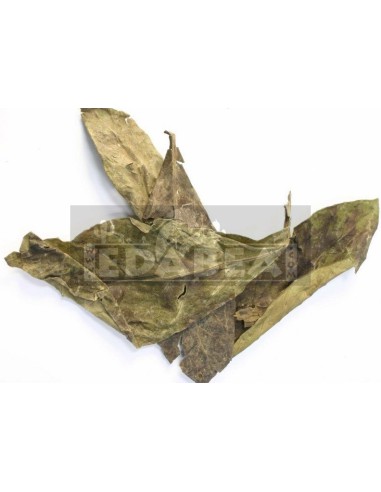
Chacruna (Psychotria viridis) — dried Amazonian leaves with documented DMT presence in the phytochemical literature (McKenna et al., 1984). The most widely used admixture plant in the traditions of western Amazon — primarily Peru and Ecuador — and the most referenced in available ethnobotanical research. Available in 25 g and 50 g. Selected by the Edabea team, with over 15 years of specialization in ethnobotany. For botanical collection and ethnobotanical research.
Chacruna (Psychotria viridis) | Dried Leaves — 25 g and 50 g
Chacruna is the common name for Psychotria viridis, a perennial shrub in the Rubiaceae family — the same family as coffee — native to the lowland Amazon of Peru, Ecuador, Brazil, and Colombia. It is the most documented admixture plant in traditional ayahuasca preparation and the reference species in most western Amazon traditions (Luna & Amaringo, 1991; McKenna et al., 1984). At Edabea, we offer it in dried leaf format, available in 25 g and 50 g presentations.
Botanical and Phytochemical Profile
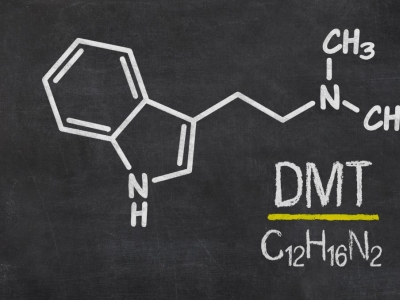
Psychotria viridis belongs to the Rubiaceae family, one of the most diverse plant groups in the tropics. Its leaves contain DMT (N,N-dimethyltryptamine), a tryptamine alkaloid whose presence in this species is well characterized in the phytochemical literature (McKenna et al., 1984). Unlike chaliponga (Diplopterys cabrerana), chacruna does not contain 5-MeO-DMT, which phytochemically differentiates it from the other main documented admixture plant in ethnobotanical literature.
The concentration of DMT in leaves of P. viridis varies depending on geographic origin, altitude, growing conditions, and harvest time. Phytochemical references document variable concentrations among batches and origins (McKenna et al., 1984).
Differences between Chacruna and Chaliponga
Chacruna (Psychotria viridis) and chaliponga (Diplopterys cabrerana) are the two most documented admixture plants in ayahuasca ethnobotanical literature, but they are botanically distinct species with different phytochemical profiles and geographic distributions:
| Characteristic | Chacruna | Chaliponga |
|---|---|---|
| Scientific Name | Psychotria viridis | Diplopterys cabrerana |
| Botanical Family | Rubiaceae | Malpighiaceae |
| Documented Tryptamines | DMT | DMT + 5-MeO-DMT |
| Traditional Distribution | Western Amazon (Peru, Ecuador) | Colombian and Ecuadorian Amazon |
| Presence in Literature | Greater — main reference species | Lower — traditions of the northwestern Amazon |
Etnobotanical Context
The use of Psychotria viridis as an admixture plant in ayahuasca preparations is extensively documented in western Amazon traditions — primarily in Peru and Ecuador — where it is also known as sami ruca or simply chacruna depending on tradition and region. Its use is recorded in the fieldwork of ethnobotanist Richard Evans Schultes and in Luis Eduardo Luna's work on Amazonian vegetalism (Luna & Amaringo, 1991; Luna, 1986).
Chacruna is the most referenced admixture species in academic research on ayahuasca, making it a central reference for the comparative study of tryptamine-containing plants in ethnobotanical contexts. Its belonging to the Rubiaceae family — the same one that includes coffee, quinine, and ipecacuanha — places it among the plant groups with the highest documented phytochemical diversity in the tropics.
In 2008, the National Institute of Culture of Peru declared the traditional knowledge and uses of ayahuasca as Cultural Heritage of the Nation, recognition that includes the shamanic knowledge system associated with the use of chacruna as an admixture plant.
To expand the botanical and ethnobotanical context of this species and its relation to other plants in the catalog, you can consult our ayahuasca section.
Conservation
Dried leaves are sensitive to humidity and direct light. To maintain their stability and botanical characteristics over time:
- Store in a well-sealed container, preferably airtight.
- Keep in a cool, dry place and protected from direct light.
- Avoid humidity, prolonged heat, and cross-contamination with other materials.
Frequently Asked Questions about Chacruna
What is the difference between chacruna and chaliponga?
They are botanically distinct species from different families. Chacruna (Psychotria viridis, family Rubiaceae) contains DMT documented in the phytochemical literature. Chaliponga (Diplopterys cabrerana, family Malpighiaceae) contains DMT and also 5-MeO-DMT, which is absent in chacruna. Geographically, chacruna predominates in the traditions of the western Amazon of Peru and Ecuador, while chaliponga is more frequent in the Colombian and Ecuadorian Amazon (McKenna et al., 1984; Schultes, 1972).
Why does it belong to the same family as coffee?
Psychotria viridis belongs to the Rubiaceae family, one of the most diverse plant groups in the tropics, which also includes coffee (Coffea), quinine (Cinchona), and ipecacuanha (Carapichea ipecacuanha). This family is characterized by a remarkable phytochemical diversity — alkaloids, tryptamines, quinones — that has made it one of the most studied in ethnobotany and natural product chemistry.
Which format is more suitable, 25 g or 50 g?
The 25 g format is suitable for botanical collection, archiving, or initial study of the material. The 50 g format is geared towards researchers or collectors working with larger volumes or who wish to have a broader batch reference for phytochemical comparisons among admixture plants.
What is the legal status of chacruna?
The legal situation may vary by jurisdiction. It is the buyer's responsibility to verify the applicable regulations in their place of residence. This product is sold exclusively as botanical collection material and ethnobotanical research.
How are the dried leaves conserved?
In a well-sealed container, in a cool, dry place protected from direct light. The concentration of tryptamines may be affected by prolonged exposure to humidity, heat, or light, so proper storage is particularly relevant to maintaining the botanical integrity of the material.
About this Content
Ficha elaborada por el equipo especializado de Edabea Natura, con más de 15 años de experiencia en selección y comercialización de materiales etnobotánicos. La información fitoquÃmica y etnobotánica está basada en las fuentes bibliográficas citadas y en el conocimiento directo del material de cada lote. Última actualización: abril 2026. Para consultas sobre disponibilidad o características del lote actual, contacta en contacto@edabea.com.
Referencias:Luna, L.E. (1986). Vegetalismo: Shamanism among the Mestizo Population of the Peruvian Amazon. Stockholm: Almqvist & Wiksell. — Luna, L.E. & Amaringo, P. (1991). Ayahuasca Visions: The Religious Iconography of a Peruvian Shaman. Berkeley: North Atlantic Books. — McKenna, D.J., Towers, G.H.N. & Abbott, F. (1984). Monoamine oxidase inhibitors in South American hallucinogenic plants. Journal of Ethnopharmacology, 10(2), 195–223. — Schultes, R.E. (1972). An overview of hallucinogens in the Western Hemisphere. In P.T. Furst (Ed.), Flesh of the Gods. New York: Praeger. — Schultes, R.E. & Hofmann, A. (1979). Plants of the Gods. New York: McGraw-Hill.
BA-GA-GHW
29 Items
Related articles on blog


Tap to zoom