Shopping Cart
There are no more items in your cart

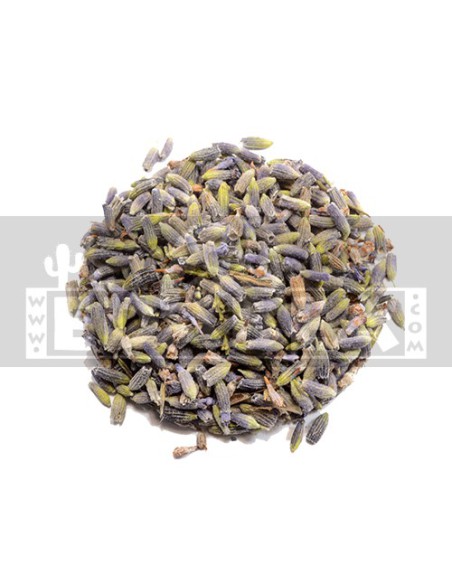
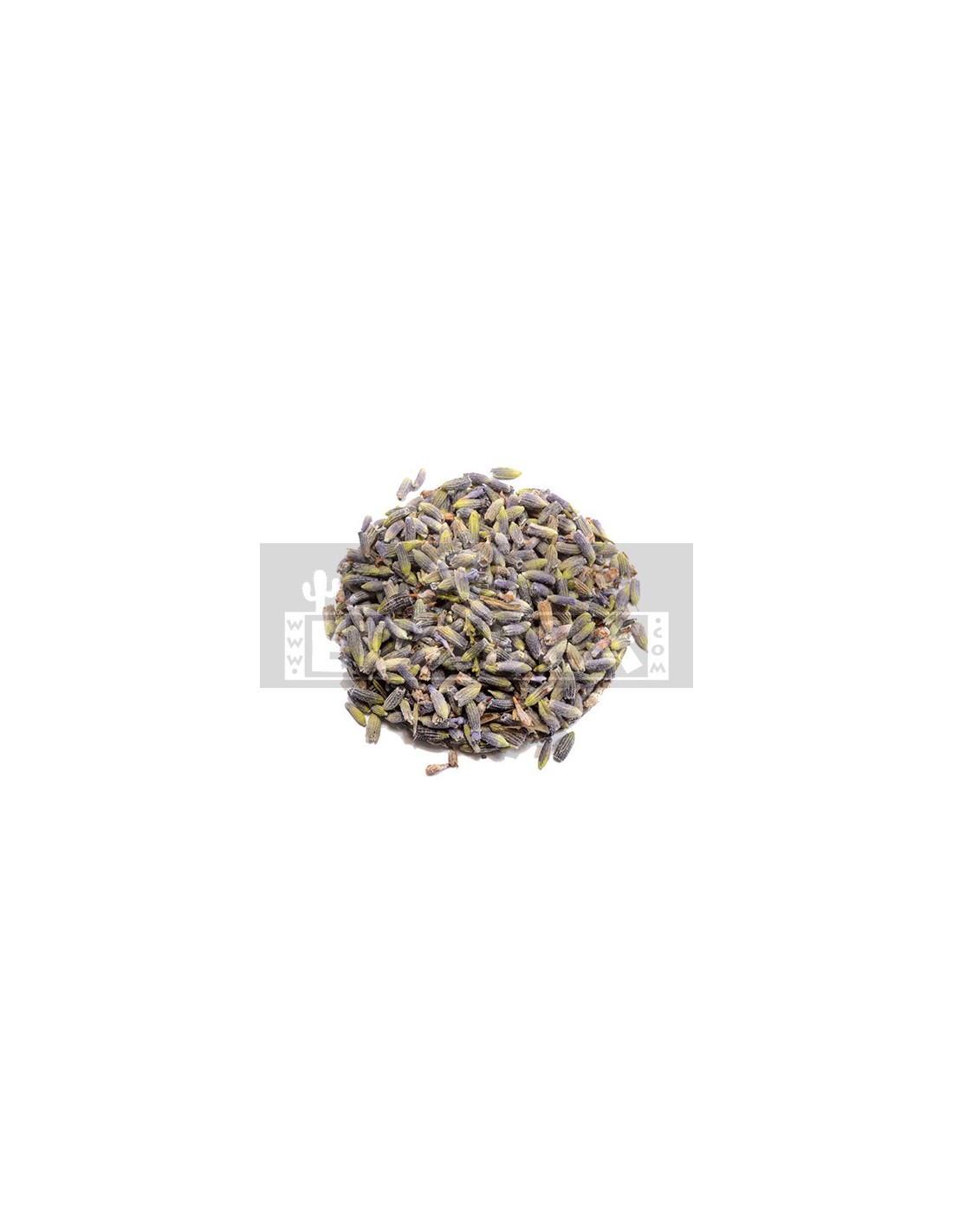
Lavandula Angustifolia 100 g
Last items in stock
€8.30
Tax included
Lavender (Lavandula angustifolia) — whole dried flowers, 100 g. Aromatic plant from the Lamiaceae family native to the western Mediterranean basin, with documented presence in Greek, Roman, and medieval pharmacopoeia. Its flowers contain essential oil rich in linalool and linalyl acetate. Botanical collection material.
Ratings and comments from our customers
Lavender — product information
Lavender (Lavandula angustifolia), also known as spike lavender or lavandula, is a perennial shrub from the Lamiaceae family native to the western Mediterranean basin — southern France, northern Spain, Italy, and the Balkan region. It is presented as whole dried flowers of 100 g.
Etymology and history
The name Lavandula derives from the Latin lavare — "to wash" — referring to the plant's use to scent bath water in ancient Rome. The Romans introduced lavender cultivation in the territories they conquered, including Gaul and Britain, spreading its use throughout the Empire.
Lavender is documented in the writings of Dioscorides (1st century AD) in his De Materia Medica, the most influential botanical encyclopedia of Antiquity, and in the texts of Pliny the Elder in his Naturalis Historia. During the Middle Ages, it was extensively cultivated in European monastery gardens — Hildegard of Bingen (12th century) describes it in detail in her Physica, one of the earliest herbal treatises of medieval Europe.
In the 19th century, the industrial distillation of lavender essential oil in the Provence region (southern France) established France as the world's leading producer, a position it maintains today. The lavender fields of Provence — especially on the Plateau de Valensole — are one of Europe's most recognizable landscapes and a top tourist destination.
Botanical description
Lavandula angustifolia is a shrub ranging from 30 to 60 cm in height with woody stems at the base and herbaceous upper branches. Its leaves are narrow, lanceolate, and gray-green with characteristic pubescence. The flowers — the most aromatically interesting part — are small, violet-blue, clustered in terminal spikes on long upright stems. It blooms between June and August, and its aroma is most intense during the hottest hours of the day.
Within the Lavandula genus — which includes around 47 species — Lavandula angustifolia is the most cultivated species and the most valued in the essential oil industry, surpassing lavandin (Lavandula x intermedia), a higher-yielding hybrid but with lower aromatic quality.
Phytochemical profile
The flowers of Lavandula angustifolia contain between 1 and 3% essential oil, whose composition varies according to origin, altitude, and harvest time. The main compounds are:
- Linalool — monoterpene alcohol, major component (25-45%)
- Linalyl acetate — ester of linalool, second most abundant component (25-45%)
- 1,8-cineole (eucalyptol) — in smaller proportions than in lavandin
- Camphor — in low concentrations in angustifolia, higher in other species
- Linalyl, limonene, borneol — minor compounds
The European Pharmacopoeia establishes quality specifications for lavender essential oil, including minimum contents of linalool and linalyl acetate and maximum limits for camphor — the latter criterion is analytically distinguishing the quality angustifolia from lavandin or adulterated oils.
Lavender in aromatherapy and industry
The essential oil of Lavandula angustifolia is the most widely used in aromatherapy worldwide and one of the most important in the cosmetic and perfumery industries. The term "lavender" designates a complete olfactory family in perfumery — the fougère fragrances — referencing the aroma of lavender along with fern and coumarin. Lavender is also the most cultivated floral aroma globally for essential oil production.
Storage
Store in a cool, dry place away from direct light, in an airtight container. Dried lavender flowers are rich in volatile essential oil — close the container tightly after each opening to preserve the characteristic aroma.
Legal aspects
Lavandula angustifolia is completely legal with no regulatory restrictions. The legal status may vary by jurisdiction. This product is marketed exclusively as botanical collection material.
Frequently asked questions
What is the difference between lavender and lavandin?
Lavandin (Lavandula x intermedia) is a natural hybrid between Lavandula angustifolia and Lavandula latifolia. It is sterile — it does not produce viable seeds — but with a higher yield of essential oil per hectare. Its aromatic profile is more intense and less refined than that of angustifolia, with higher camphor content. In the industry, lavandin is primarily used for cleaning products and space aromas; angustifolia is used for higher quality perfumery and cosmetics.
Why is high-altitude lavender more valued?
The altitude of cultivation directly influences the profile of lavender essential oil. Lavender grown at higher altitudes — above 800-1,000 meters — has a higher concentration of linalyl acetate and lower camphor content, producing a finer and more complex oil aromatic-wise. High-altitude lavender from Provence is the most valued in perfumery, significantly more expensive than lowland lavender or lavandin.
What is the fougère olfactory family?
The fougère fragrances — from the French "fern" — are one of the major olfactory families in perfumery, characterized by the combination of lavender, coumarin, and oakmoss. The term was coined by perfumer Paul Parquet in 1882 with the creation of Fougère Royale by Houbigant, considered the first modern perfume. Lavender is the aromatic pillar of this family, which includes iconic fragrances like Brut, Old Spice, or Fahrenheit.
3 Items
Tap to zoom