
Shopping Cart
There are no more items in your cart


Mimosa Hostilis 10 Seeds
€8.75
Tax included
Mimosa hostilis (Mimosa tenuiflora) — 10 seeds from botanical collection. A fast-growing tree native to northeastern Brazil and Mexico, also known as Jurema Preta. It can exceed one and a half meters in the first year and reach up to eight meters at maturity. Flowers starting from the third year. Optimal cultivation temperature between 25 and 32 °C.
Ratings and comments from our customers
What is Mimosa Hostilis
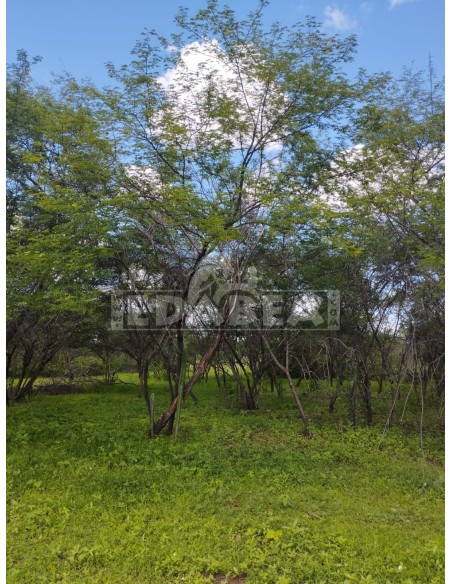
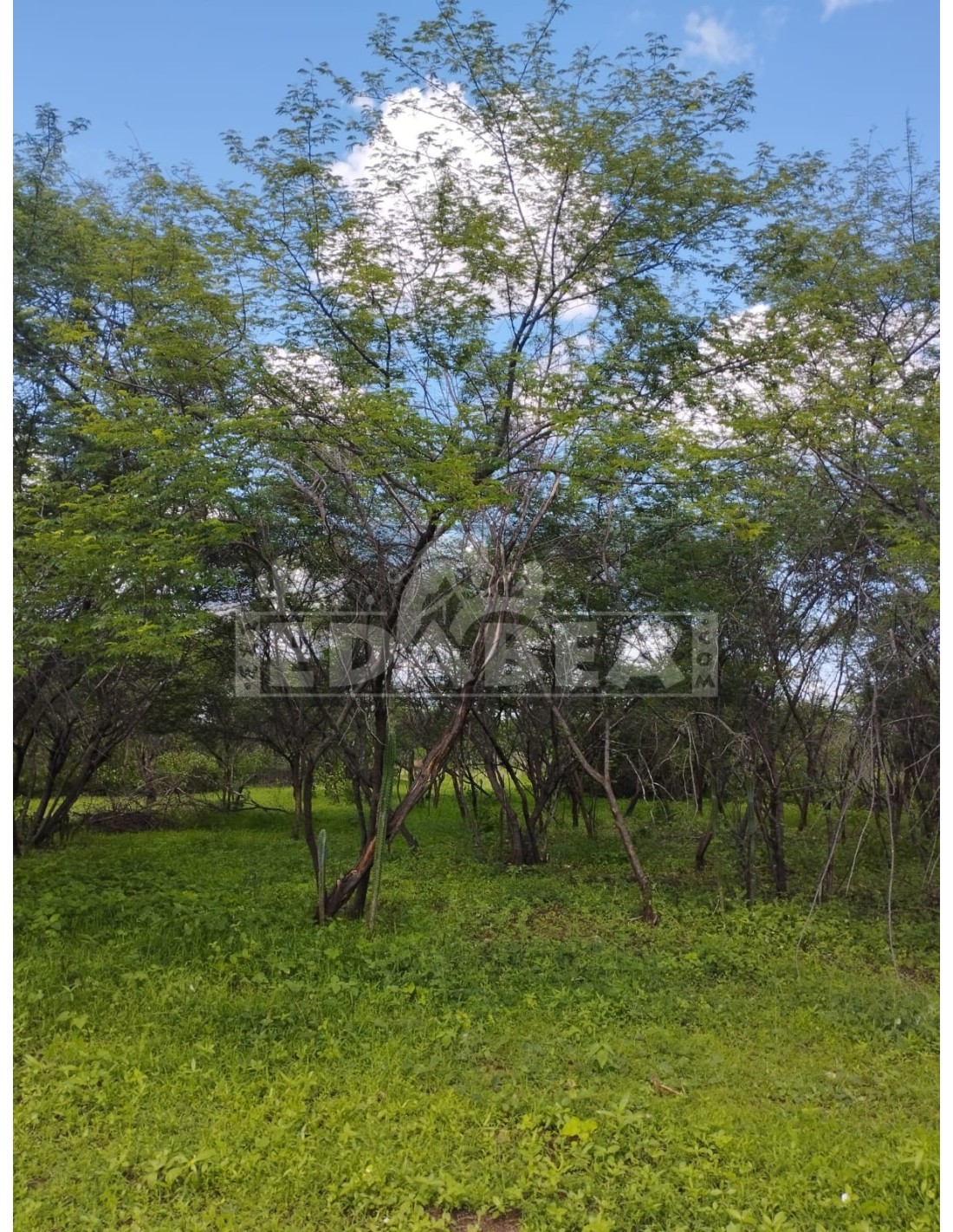
Mimosa hostilis (Mimosa tenuiflora), also known as Jurema Preta, is a perennial tree or shrub belonging to the Fabaceae family, native to the arid and semi-arid regions of northeastern Brazil — especially from the sertão region — as well as Mexico and Central America. It is an exceptionally fast-growing species that can exceed one and a half meters in height during the first year and reach between 6 and 8 meters at maturity.
The most known and studied part of the plant is its root bark, which has a long history in the ethnobotany of northeastern Brazil and is widely documented in specialized literature. These seeds allow you to cultivate the tree from its early phase as a long-term botanical project.
Botanical Description
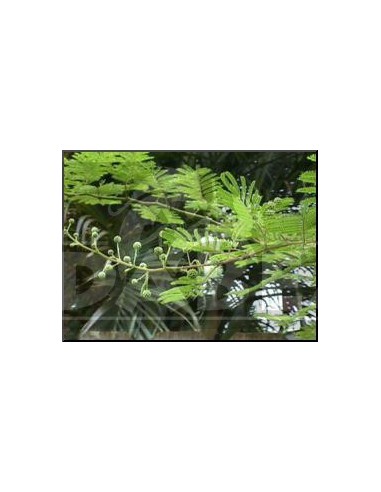
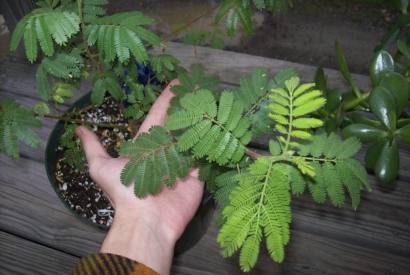
Mimosa tenuiflora is a tree of variable height depending on cultivation conditions, with grayish bark in young specimens that darkens and cracks with age. It has bipinnate leaves composed of numerous small leaflets, characteristic of the Mimosa genus, that fold when touched or in darkness — a behavior known as thigmonasty or nyctinasty. Its flowers are small, yellowish-white, and grouped in very aromatic cylindrical spikes. It produces flat pods containing 4-6 seeds each.
Like other legumes, it can fix atmospheric nitrogen through symbiotic bacteria in its roots (Rhizobium), making it a soil-improving species in the arid regions where it grows naturally. It is also one of the first species to recolonize degraded land after fires or logging in the Brazilian sertão.
Etnobotanical Context
Mimosa tenuiflora has a long history in the ethnobotany of northeastern Brazil and Mexico. In the context of the Brazilian sertão, the plant is known as a multipurpose tree: its hard and durable wood is used in construction and as fuel, and its root bark has been used in different medicinal and indigenous traditions in the region for centuries.
If you want to learn more about its origin, sustainable harvesting, and ethnobotanical context, you can consult our article on Mimosa Hostilis: Origin, Cultivation, Harvesting, and Traditional Uses. The powdered root bark is also available in our catalog.
Growing from Seed
Mimosa tenuiflora is an accessible species to cultivate due to its rapid growth, but it requires warm conditions to develop properly:
- Seed Preparation: soak in warm (not boiling) water for 12 to 24 hours until swollen. Optionally, make a small incision in the shell to facilitate germination.
- Germination Substrate: light mix of peat and perlite or vermiculite. Once germinated, transplant to organic sandy-clay substrate.
- Temperature: between 25 and 32 °C for optimal germination and growth. Does not tolerate frost.
- Light: indirect or partial light in the early stages. Adult specimens tolerate full sun exposure.
- Watering: substrate slightly moist and well-drained. Avoid waterlogging.
- Germination: variable, between 1 and 3 weeks under optimal conditions.
- Growth: very fast — can exceed 1.5 m in the first year under favorable conditions.
- Flowering: starting from the third year of life.
- Potting: possible with progressive transplanting to larger containers — roots need space to develop.
Legal Aspects
The seeds of Mimosa tenuiflora are completely legal in Spain and the European Union. This product is marketed solely as botanical collection material.
Frequently Asked Questions
How much does Mimosa Hostilis grow in the first year?
In optimal temperature conditions (25-32 °C) and watering, it can exceed 1.5 meters in height during the first year. It is one of the fastest-growing species in the catalog.
When does it flower and produce seeds?
Flowering begins from the third year of life, depending on cultivation conditions and climate. In its natural habitat in the Brazilian sertão, it may flower earlier if conditions are particularly favorable.
Can it be grown in a pot?
Yes, although it requires progressive transplanting to larger containers as the plant grows. The root system needs space to develop properly — in too small a pot, growth slows significantly.
What is the difference between these seeds and the root bark?
The seeds allow you to cultivate the tree from scratch as a long-term botanical project. The root bark is the most well-known part of the plant in specialized ethnobotanical trade, available in fine powder and crushed form in our catalog. You can check the root bark product page for more information.
Is it legal to buy Mimosa Hostilis seeds in Spain?
Yes. The seeds of Mimosa tenuiflora are completely legal in Spain and the European Union.
BA
19 Items


Tap to zoom
